Growing live oak trees from acorns is a straightforward process that can yield robust trees with proper care. The most efficient method involves selecting high-quality acorns, preparing them for germination, and providing optimal growing conditions.
Selecting Healthy Acorns for Germination
Choosing the right acorns is crucial for successfully germinating live oak trees. Healthy acorns are more likely to sprout and thrive, making the selection process a vital first step. This section will guide you through identifying and selecting the best acorns to ensure a robust start for your oak tree growing journey.
Selecting the right acorns is crucial for successful germination. Look for healthy acorns that are firm and free from blemishes. Acorns that float in water are likely damaged and should be discarded.
-
Choose acorns from healthy trees.
-
Collect acorns in late summer to early fall.
-
Store acorns in a cool, dry place until ready to plant.
Acorn Preparation for Optimal Germination
Proper preparation of acorns enhances germination rates significantly. Soaking acorns in water for 24 hours helps to soften the outer shell and initiates the germination process. After soaking, place acorns in a damp paper towel and store them in a plastic bag in the refrigerator for about 30 days.
-
Soak acorns for 24 hours.
-
Refrigerate in a damp towel for 30 days.
-
Check regularly for signs of sprouting.
Optimal Environment for Acorn Growth
Once the acorns have sprouted, it’s essential to provide the right environment for growth. Choose a well-draining potting mix and a container with drainage holes. Plant the acorns about one inch deep in the soil, ensuring the sprout is facing upward.
-
Use a potting mix designed for seedlings.
-
Ensure containers have drainage holes.
-
Water lightly after planting to settle the soil.
Recommended Products

HELPS REGULATE SOIL MOISTURE: Miracle-Gro Organic Indoor Potting Soil Mix is an organic potting soil that protects indoor plants against over and under watering

Miracle-Gro Indoor Potting Mix for All Plants feeds houseplants for up to 6 months and grows healthier, more resilient plants (vs unfed when used as directed)
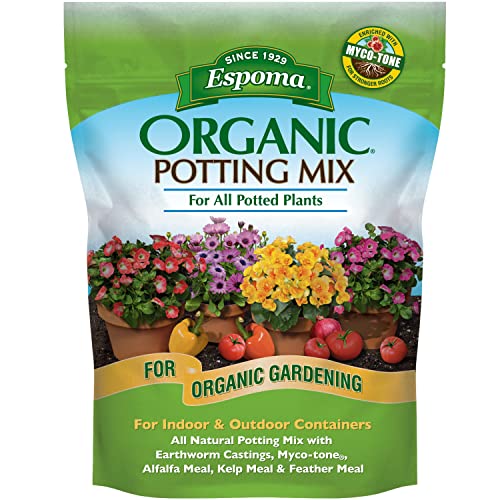
FOR USE ON: Not just an indoor potting soil, this can also be used as a potting soil for outdoor plants and is a great soil mix for vegetables, herbs & all other container plants & flowers.
Live Oak Seedling Care Guidelines
Caring for live oak seedlings is crucial for their healthy development and long-term growth. Proper attention to factors such as watering, sunlight, and soil conditions can significantly enhance their chances of thriving. This section outlines essential guidelines to ensure your live oak seedlings flourish as they mature into robust trees.
Live oak trees thrive with consistent moisture and adequate sunlight. Water the seedlings regularly, keeping the soil moist but not soggy. Position the pots in a location that receives full sunlight for at least six hours daily.
-
Water when the top inch of soil feels dry.
-
Ensure at least six hours of sunlight daily.
-
Avoid waterlogging to prevent root rot.
Transplanting Live Oak Seedlings Outdoors
After the seedlings have grown several inches tall and developed a strong root system, they can be transplanted outdoors. Choose a location with well-drained soil and full sun exposure. Dig a hole that is twice the width of the root ball and gently place the seedling in the hole.
| Step | Action | Notes |
|---|---|---|
| 1 | Choose a sunny location | Ensure good air circulation |
| 2 | Dig a wide hole | Twice the width of the root ball |
| 3 | Place seedling in the hole | Fill with native soil |
| 4 | Water thoroughly | Helps settle the soil |
Protecting Young Live Oak Seedlings
Protecting young live oak seedlings is crucial for their survival and growth. These delicate plants face various threats, including pests, harsh weather, and competition from weeds. Implementing effective protection strategies will ensure that your seedlings thrive and develop into strong, mature trees.
Newly planted live oak trees require protection from pests and harsh weather. Use mulch around the base to retain moisture and suppress weeds. Consider using tree guards to protect against rodents and deer.
-
Apply a 2-3 inch layer of mulch.
-
Use tree guards for protection.
-
Monitor for pests regularly.
Fertilization Techniques for Live Oaks
Fertilizing live oak trees is crucial for their growth and overall health. Understanding the right techniques can significantly enhance their development, ensuring robust root systems and lush foliage. This section will explore effective fertilization methods tailored specifically for live oaks, helping you nurture these majestic trees from acorn to maturity.
Once established, live oak trees benefit from periodic fertilization. Use a slow-release fertilizer in early spring to provide essential nutrients. Follow the manufacturer’s instructions for application rates to avoid over-fertilization.
-
Apply slow-release fertilizer in spring.
-
Follow recommended application rates.
-
Avoid fertilizing in late summer or fall.
Live Oak Growth Challenges and Remedies
Growing live oak trees from acorns can present several challenges that may hinder their development. Understanding these potential obstacles is crucial for successful cultivation, as well as knowing effective remedies to address issues such as poor germination rates, pest infestations, and environmental stressors. This section will explore common growth challenges and provide practical solutions to ensure healthy live oak trees.
Growing live oak trees can come with challenges. Some common issues include poor germination rates, pest infestations, and nutrient deficiencies. Regular monitoring and prompt action can mitigate these problems.
-
Check for signs of pests like aphids.
-
Adjust watering practices if seedlings wilt.
-
Test soil for nutrient levels if growth is stunted.
Growing live oak trees from acorns is an engaging and rewarding endeavor. By following these steps, you can cultivate strong, healthy trees that will thrive for generations.

My interest in trees started when I first saw the giant sequoias in Yosemite.I was a teenager then, and I remember thinking, “I need to learn more about this.”That moment stuck with me.A few years later, I went on to study forestry at Michigan Tech.
Since graduating, I’ve worked in a mix of hands-on tree care and community education.I’ve spent over ten years helping people understand how to plant, maintain, and protect the trees in their neighborhoods.I don’t see trees as just part of the landscape.They are living things that make a real difference in our daily lives.