Ever wondered how to bring a bit of nature into your apartment? You’re not alone. Many people living in small spaces feel the urge to grow their own herbs, veggies, or flowers but think it’s impossible. The good news is that with just a bit of creativity and the right tips, you can transform even the tiniest balcony or windowsill into a thriving garden.
Key Takeaways
- Apartment Gardening Benefits: Growing herbs and vegetables improves air quality, enhances meal flavors, reduces stress, and adds aesthetic appeal to your living space.
- Overcoming Challenges: Utilize vertical gardens, self-watering containers, and grow lights to tackle limited space and insufficient natural light in apartments.
- Plant Selection: Choose space-efficient plants like herbs, cherry tomatoes, and succulents that thrive in small areas and varying light conditions.
- Essential Tools: Gather appropriate containers, potting mix, and fertilizers to ensure healthy plant growth and effective space utilization.
- Creating Optimal Conditions: Monitor light, temperature, and humidity carefully to create a suitable environment for your plants, with strategies like using humidifiers and grow lights.
- Maintenance Practices: Regularly check soil moisture, manage pests organically, and utilize self-watering pots to ensure your apartment garden thrives.
Understanding Apartment Gardening
Apartment gardening lets you connect with nature, even in small spaces. It involves growing plants like herbs, vegetables, or flowers within your apartment, balcony, or windowsill. Here’s what you need to know.
Benefits of Growing a Garden in an Apartment
- Fresh Produce: Growing herbs and vegetables means you can enjoy fresh flavors in your meals. For example, garnishing a salad with freshly picked basil enhances taste and nutrition.
- Improved Air Quality: Plants filter air pollutants, improving overall air quality. Spider plants and peace lilies are great options to enhance indoor air purity.
- Stress Relief: Gardening reduces stress and boosts mood. Watching plants grow and caring for them provides a sense of accomplishment.
- Aesthetic Appeal: A garden adds beauty to your living space. Colorful flowers or lush green herbs can transform a dull balcony into a vibrant area.
- Educational Experience: Gardening teaches valuable skills. You learn about plant care, seasonal cycles, and the food growth process.
- Limited Space: Small areas can restrict the number of plants you grow. Opt for vertical gardens or balcony railing planters to maximize your space.
- Insufficient Light: Many apartments lack natural light. Consider using grow lights to provide adequate lighting for your plants.
- Soil and Water Management: Maintaining proper soil moisture can be tricky. Use self-watering pots to ensure consistent hydration.
- Pest Management: Indoor plants can attract pests. Regularly check your plants for signs of infestations and use organic pest controls as needed.
- Temperature Fluctuations: Indoor heating and cooling can affect plant health. Place temperature-sensitive plants away from drafty windows and heat sources.
By understanding these benefits and challenges, you can successfully navigate the world of apartment gardening.
Choosing the Right Plants
Selecting the right plants is key to successful apartment gardening. Some plants thrive in small spaces and limited light. Focus on those that fit your environment and your gardening goals.
Recommended Products

Complete All-In-One Kit - No need to buy separate supplies. This herb starter set comes with 4 plastic planter pots, 4 soil discs, 4 plant markers 4 heirloom herb seed packets, and essential planting tools—everything you need to start your indoor herb garden immediately.

KIT INCLUDES: 5 planter bags, 5 soil discs, 5 writable plant markers, 3 mini gardening tools, 1 pruner, 1 small water bottle, 1 planter box and a gardening guide

HERB PLANTS & SEEDS - Start an indoor herb garden from seed with basil, chives, dill, cilantro and parsley, each in its own burlap pot.
Best Plants for Small Spaces
- Herbs: Basil, parsley, mint, and chives excel in containers. They require minimal space and flourish indoors or outdoors. Herbs also add fresh flavor to meals.
- Leafy Greens: Spinach, lettuce, and kale grow well in small pots. They enjoy cooler temperatures and can thrive on a sunny windowsill.
- Cherry Tomatoes: Compact varieties, like “Tiny Tim,” adapt well to pots. These plants need sunlight and support as they grow.
- Peppers: Bell peppers and hot peppers fit in small spaces. They require warmth and sunlight but deliver a bountiful harvest.
- Succulents: If you prefer low-maintenance, opt for succulents like aloe or jade. They need minimal water and can thrive in indirect sunlight.
- Indoor Plants: Choose plants that tolerate low light, like pothos or snake plants. They improve air quality and brighten up your living space.
- Outdoor Plants: For balconies, focus on sun-loving options. Herbs and vegetables generally need at least six hours of direct sunlight for optimal growth.
- Hybrid Choices: Some plants, like strawberries, thrive both indoors and outdoors. Assess your space and light availability to make the best choice.
By selecting suitable plants and understanding their specific needs, you can create an enjoyable and productive garden in your apartment.
Essential Tools and Supplies
Apartment gardening requires specific tools and supplies to simplify the process and ensure success. Gathering the right materials makes all the difference in your gardening journey.
Recommended Products

INDOOR GROWING: Growing indoors is easy under the right conditions; Miracle-Gro Houseplant Potting Mix is an indoor plant potting soil that combines key elements container plants need to thrive

ALL-NATURAL MIX: Burpee Organic Premium Potting Mix is formulated with plant food & coconut coir to promote seed & root growth and healthy flower, vegetable & herb plants. OMRI Listed for organic use.

🌱 PERFECT FOR ALL PLANTS Versatile all-purpose potting mix designed for indoor plants, outdoor gardening, seeds, herbs, flowers, and vegetables. Ideal for beginners and experienced growers.
Containers and Planters
Choose containers that fit your space and plant needs. Look for options like:
- Pots and Planters: Select ceramic, plastic, or terracotta pots. Ensure they have drainage holes for excess water.
- Window Boxes: Ideal for herbs and flowers, window boxes attach to sills and maximize sunlight exposure.
- Vertical Planters: Utilize vertical gardening solutions to save space and create a green wall effect.
- Hanging Baskets: Perfect for trailing plants and saving floor space, these add beauty to your living area.
Ensure your containers match the plants’ growth habits and light needs. Smaller pots work well for herbs, while larger ones are necessary for vegetables.
Soil and Fertilizers
Soil quality directly affects plant health. Use these soil types:
- Potting Mix: A light, well-draining option for most container plants. Look for a mix with added nutrients.
- Seed Starting Mix: Great for germinating seeds, this mix offers a fine texture that supports young plants.
For fertilizers, consider:
- Organic Fertilizers: Products like compost or worm castings enrich the soil naturally and sustainably.
- Liquid Fertilizers: For quick nutrient delivery, dilute liquid fertilizers according to the package instructions and apply during growing seasons.
Regularly test your soil and adjust your fertilization routine based on your plants’ needs. Fertilize every 4-6 weeks during the growing season to promote healthy growth.
Creating the Perfect Growing Environment
Creating the right environment for your apartment garden enhances plant growth. Focus on light, temperature, and humidity for optimal results.
Recommended Products

NOTE: The product stand needs to be pressed down by the flower pot to be stable. Not wireless style. 2 Installation Methods: Specially designed plant light for indoor plants, which can be inserted in the soil or stand for lighting.Unique and easy to assemble and disassemble.

214 Full-Spectrum LEDs: Featuring one light head with 214 high-performance LEDs, this grow light delivers a broad 380–780 nm full spectrum that closely mimics natural sunlight. It provides bright, uniform illumination to support efficient photosynthesis and healthy plant growth. Especially suitable for seed starting and seedling development, it is an ideal supplemental light source for indoor plants.
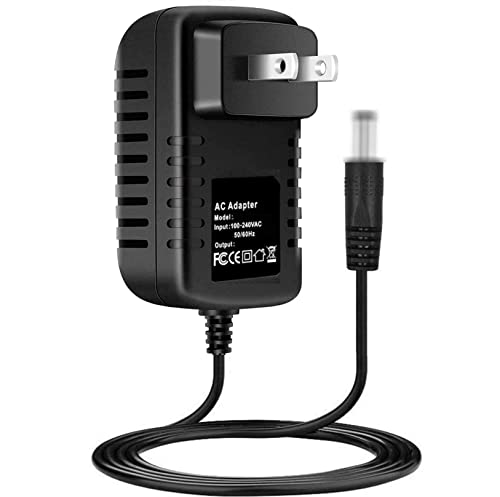
New Global 12V AC / DC Adapter Compatible with GardenCube Model HP-GC001 HPGC001 Hydroponics Growing System Indoor 8 Pods Garden Cube Hydroponic Gardening Herb LED Grow Light DC12V 2A 24W 12.0V 2.0A 24.0W 12 Volt 12 Volts 12VDC 2000mA 24 Watts 12.0VDC 2000 mA 12 V 12.0 VDC Class 2 Switching Power Supply Cord Cable PS Wall Home Battery Charger Mains PSU
Light Requirements
Light plays a crucial role in plant health. Identify the light levels in your apartment. Most edible plants need at least six hours of bright, indirect sunlight each day. Use south-facing windows for maximum exposure. If natural light is limited, consider using grow lights. LED grow lights are energy-efficient and effective. Position them about 6 to 12 inches above your plants and provide 12-16 hours of light daily.
Choose plants according to light availability. Low-light choices include herbs like mint and parsley. Bright-light options encompass tomatoes and peppers. Rotate pots weekly to ensure even light distribution.
Temperature and Humidity Control
Temperature affects plant growth. Most herbs and vegetables thrive in temperatures between 65°F and 75°F. Avoid exposing plants to drafts from windows or air conditioning units. If it gets too chilly at night, consider using a heat mat for extra warmth.
Humidity also impacts your garden. Many plants prefer humidity levels between 40% and 60%. If your apartment is dry, especially in winter, consider using a humidifier. Alternatively, group plants together to create a microclimate. You can also place trays with pebbles and water beneath pots to increase moisture levels.
Monitor your garden’s environment regularly. Use a thermometer and a hygrometer to keep track of temperature and humidity. Adjust your setup as needed to maintain ideal conditions for your plants.
Maintenance and Care Tips
Maintaining your apartment garden requires attention and care. These practical tips help ensure your plants thrive even in limited spaces.
Watering Strategies
Watering plants properly is essential for healthy growth. Here are effective strategies for apartment gardening:
- Check Soil Moisture: Feel the top inch of the soil. If it’s dry, it’s time to water.
- Use Drainage: Ensure your containers have drainage holes to prevent root rot. Excess water should drain freely.
- Water Thoroughly: Water the entire soil surface until you see it begin to flow out of the drainage holes.
- Adjust Frequency: Monitor your plants regularly. Factors like plant type, light exposure, and temperature affect watering needs.
- Consider Self-Watering Containers: These pots allow for consistent moisture and save you time, especially useful for busy schedules.
Pest Control Solutions
Pest management keeps your garden healthy. Here are some strategies to tackle common pests:
- Inspect Regularly: Check your plants weekly for signs of pests like aphids or spider mites. Early detection makes control easier.
- Create a Barrier: Use fine mesh or row covers on outdoor plants to keep pests away.
- Natural Remedies: Mix a soap solution (one tablespoon of mild soap in a quart of water) and spray it on affected plants. This can eliminate pests without chemicals.
- Introduce Beneficial Insects: Ladybugs and lacewings eat aphids and other harmful pests. Consider introducing them into your garden.
- Maintain Cleanliness: Regularly clean your gardening area. Remove fallen leaves and debris, which can harbor pests.
By following these maintenance and care tips, you can keep your apartment garden thriving and vibrant, providing you with fresh herbs, vegetables, or flowers right at home.
Conclusion
Creating a garden in your apartment is a rewarding journey that brings a touch of nature right into your home. With a little creativity and the right approach you can transform your space into a lush oasis. Whether you’re growing herbs for your meals or nurturing beautiful flowers your efforts will not only beautify your surroundings but also enhance your well-being.
Remember to choose the right plants for your environment and pay attention to their care needs. Regular maintenance and a bit of patience will go a long way in keeping your garden thriving. So roll up your sleeves and enjoy the process of cultivating your own little green sanctuary. Happy gardening!
Frequently Asked Questions
What is apartment gardening?
Apartment gardening is the practice of growing plants, herbs, vegetables, or flowers in limited indoor or small outdoor spaces, such as balconies or windowsills. This method allows urban dwellers to enjoy fresh produce and greenery, even in small living environments.
What are the benefits of apartment gardening?
Apartment gardening offers numerous benefits including access to fresh produce, improved air quality, reduced stress, enhanced aesthetic appeal, and an educational opportunity to learn about plant care and the growth process.
What challenges do apartment gardeners face?
Common challenges include limited space, insufficient light, managing soil and water quality, pest control, and temperature fluctuations. However, with the right strategies, these hurdles can be overcome for successful plant growth.
What plants are best for small spaces?
Herbs like basil, parsley, mint, and chives, as well as leafy greens such as spinach and kale, compact cherry tomatoes, and peppers are ideal for small spaces. Succulents and low-light indoor plants also thrive in limited environments.
What tools do I need for apartment gardening?
Essential tools include appropriate containers like pots with drainage holes, window boxes, and hanging baskets. Additionally, quality potting soil, fertilizers, watering cans, and gardening gloves will help you successfully care for your plants.
How can I create a suitable environment for my plants?
To create a perfect growing environment, ensure your plants receive at least six hours of bright, indirect sunlight. Maintain temperatures between 65°F and 75°F and keep humidity levels between 40% to 60% for optimal growth.
What are good watering practices for apartment gardens?
Check soil moisture regularly and ensure proper drainage. Adjust your watering frequency based on individual plant needs, allowing the soil to dry slightly between waterings to prevent overwatering.
How do I manage pests in my apartment garden?
Manage pests by regularly inspecting your plants and maintaining cleanliness. Use natural remedies, introduce beneficial insects, and create physical barriers to deter pests while minimizing chemical interventions.

My interest in trees started when I first saw the giant sequoias in Yosemite.I was a teenager then, and I remember thinking, “I need to learn more about this.”That moment stuck with me.A few years later, I went on to study forestry at Michigan Tech.
Since graduating, I’ve worked in a mix of hands-on tree care and community education.I’ve spent over ten years helping people understand how to plant, maintain, and protect the trees in their neighborhoods.I don’t see trees as just part of the landscape.They are living things that make a real difference in our daily lives.