Have you ever dreamed of creating a magical space right in your backyard? A fairy garden can turn that dream into reality, bringing whimsy and charm to your outdoor area. It’s a fun project that not only sparks your creativity but also provides a peaceful retreat for you and your family.
Key Takeaways
- Location Matters: Choose a sunny, protected spot for your fairy garden to ensure optimal growth and visual appeal.
- Essential Materials: Use a well-draining potting mix and enhance your garden with miniature plants, tiny figurines, pathways, and lighting for added charm.
- Plant Selection: Opt for dwarf varieties, succulents, colorful flowers, and ground covers compatible with your local climate to create a vibrant landscape.
- Design and Layout: Incorporate winding pathways and a thoughtful arrangement of plants and features to craft an enchanting atmosphere.
- Seasonal Care: Monitor soil moisture, apply mulch in summer, and prepare plants for winter to ensure a thriving garden year-round.
- Regular Maintenance: Focus on watering, fertilizing, and pest management to keep your fairy garden healthy and inviting.
Choosing the Right Location
Selecting the right spot for your fairy garden is crucial. The location affects growth, aesthetics, and the overall magic of your garden.
Sunlight Requirements
Choose a location based on sunlight availability. Most fairy garden plants thrive in bright sunlight, needing at least six hours of direct light daily. Observe areas in your yard where sunlight collects during the day. For instance, if you notice patches where flowers flourish, that spot likely offers sufficient light. Consider a mix of sun and shade for a balanced environment if your plants prefer partial shade.
Protective Features
Incorporate protective features to safeguard your fairy garden. Shield your garden from strong winds and harsh weather conditions. Use natural barriers like hedges or fences to provide shelter. You can also place your garden near a wall or existing structure for added protection. Ensure accessibility for maintenance without compromising the safety elements. For instance, placing your garden near a patio allows for easy access while still offering some protection from the elements.
Essential Materials
Creating a fairy garden requires specific materials to bring your vision to life. Consider the following essentials to ensure your garden thrives.
Recommended Products

【Cherry Blossom Design】Experience the magic of spring all year round with these solar Christmas lights, inspired by flower - cherry blossoms. The 60 LED bulbs in each 26ft string (19.4ft lighting length, 6.6ft lead length) add a charming touch to your garden, and multiple sets can be connected for an even more enchanting effect;

【Newest Designed Solar Garden Lights,Vary in Lenth,More Layered Look】 The newest and most unique solar firefly lights in the market, our solar swaying light is vary in the length of the wires making the Leds more layered look. The solar garden firefly lights with highly flexible wire and heavy-duty bulb base, featuring greater flexibility and swing angle, when the wind blows, the solar garden lights sway with it, just as real fireflies were dancing in the courtyard
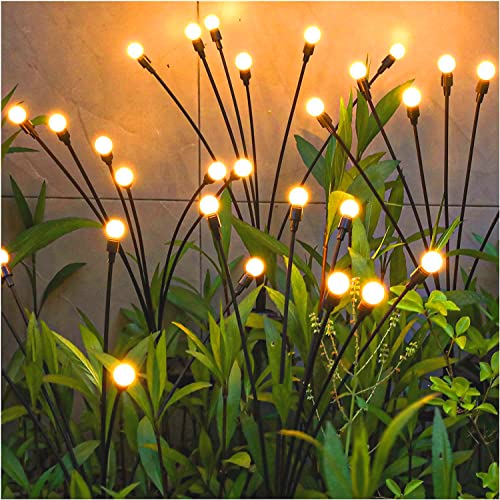
【SWAYING WHEN WIND BLOWS,IMITATE REAL FIREFLY】The most unique solar decorative lights in the market, our solar swaying light is propped by very soft & flexible wires, so the light sways when the wind blows, exactly like a cluster of firefly flying in the dark
Soil and Potting Mix
Use a well-balanced potting mix for your fairy garden. A combination of potting soil, compost, and perlite works well for drainage and nutrients. Aim for a mix that retains moisture yet drains excess water. When planting, create a base layer of stones to improve drainage at the bottom of your container. Maintain consistent moisture levels to support plant growth while avoiding sogginess.
Fairy Garden Accessories
Include a variety of accessories to enhance the charm of your fairy garden. Here are some popular options:
- Miniature Plants: Select small succulents or herbs like dwarf lavender or thyme for greenery.
- Tiny Figurines: Add fairies, animals, or other whimsical figures to create a story or theme.
- Pathways: Use pebbles, stones, or decorative gravel to create charming walkways.
- Furniture: Incorporate miniature benches, tables, or even tiny swings to provide a homely feel.
- Lighting: Solar-powered fairy lights or tiny lanterns add a magical touch, especially at night.
By gathering these materials, you set the stage for a vibrant and inviting fairy garden.
Plant Selection
Choosing the right plants creates a magical fairy garden. Consider plants that thrive in your local climate and the amount of sunlight available in your chosen location.
Recommended Products

7 Unique Poses & Colors: Each gnome has a distinct pose and color, one set delivers 7 happy expressions to enliven your garden or home

MATERIAL: These railroad scenery model trees are made of plastic material, Iron wire,well workmanship, flexible for using.

Package Includes:100pcs mini model plants with 10 designs are included in total,enough quantity for your craft needs.
Ideal Plants for Fairy Gardens
- Miniature Plants: Select dwarf varieties like Dwarf Mugo Pine, Dwarf Boxwood, and Golden Dwarf Yew. These add greenery without overwhelming the space.
- Succulents: Use hardy succulents such as Sedum, Echeveria, and Sempervivum. Their unique shapes and colors enhance the garden’s visual appeal.
- Flowers: Choose small, colorful flowers like Creeping Thyme, Pansies, and Dwarf Iris. These bloom beautifully and attract beneficial pollinators.
- Foliage: Incorporate plants with interesting leaves like Japanese Maple or Heuchera. Varied textures enrich the landscape.
- Ground Covers: Opt for low-growing ground covers such as Clover, Moss, or Creeping Juniper. These help fill empty spaces and provide a lush carpet.
- Spring Planting: Start planting in spring for optimal growth. This allows plants to establish roots before summer heat.
- Summer Care: Monitor soil moisture regularly as summer can dry out gardens. Consider adding a mulch layer to maintain humidity.
- Fall Preparation: In the fall, prepare your garden for colder weather. Trim back dead foliage and cover sensitive plants with protective layers.
- Winter Environment: Select cold-hardy varieties if you live in areas with harsh winters. Look for plants like Evergreen Fern or Wintergreen.
By carefully selecting plants and considering seasonal changes, you can create a vibrant fairy garden that thrives throughout the year.
Design and Layout
Designing a fairy garden involves careful consideration of pathways, plant arrangements, and features. Thoughtful layout enhances charm and invites enchantment.
Recommended Products

1.Handmade Resin Stone Pathway Crafted from high-quality resin, this fairy garden walkway path mimics the look of real cobblestone with a natural green mossy tone. Each piece is handmade, offering unique texture details.

Dollhouse Sidewalk-Micro mini path for fairy garden make your fairy garden world more vivide and cute

100% Natural Material: ZOOFOX small rocks stones are all natural. Their natural attribute will make them last longer because they will not deteriorate like mulch does.They have been only washed with water several times.
Creating Pathways
Creating pathways adds texture and guides visitors through your fairy garden. Start by selecting materials like pebbles, gravel, or small stones. Lay them in a winding pattern to mimic natural trails. Try using larger stones for a rustic look, or colorful glass beads for a magical touch. Pathways can also connect different sections of your garden, drawing the eye and encouraging exploration. Ensure the paths are wide enough for you to access and maintain each area comfortably.
Arranging Plants and Features
Arranging plants and features requires a balance of height, color, and texture. Place taller plants in the back or center, with shorter plants in the front. This arrangement fosters visibility and creates depth. Use colorful flowers like Pansies near the paths for vibrant pops of color. Incorporate interesting accessories, such as miniature benches or fairy houses, among the foliage for added whimsy. Position features strategically to create cozy spots and hidden nooks, enticing fairies—and visitors—to linger.
Maintenance Tips
Maintaining a fairy garden requires regular attention to ensure its charm and health. Follow these tips for effective garden care.
Watering and Fertilizing
Watering your fairy garden regularly maintains plant health. Check the soil moisture about one inch below the surface; if it’s dry, give your plants a good soak. Use a watering can with a narrow spout for precision.
Fertilizing is crucial during the growing season. Choose a balanced, slow-release fertilizer or organic options like compost. Apply it every 4-6 weeks to provide essential nutrients. For flowering plants, opt for a fertilizer high in phosphorus to promote blooms.
Pest Management
Managing pests helps protect the delicate ecosystem of your fairy garden. Inspect plants regularly for signs of insects or disease, focusing on the undersides of leaves.
Encouraging beneficial insects like ladybugs provides a natural pest control method. Additionally, use insecticidal soap or neem oil to combat common pests, like aphids or spider mites. Always test these treatments on a small area first to avoid damaging your plants.
Regular maintenance ensures your fairy garden stays vibrant and inviting year-round.
Conclusion
Creating a fairy garden is a delightful way to bring a touch of magic to your outdoor space. By carefully selecting your plants and accessories you can craft a charming retreat that reflects your personality and creativity.
Remember to nurture your garden with love and attention as it grows. Each season brings new opportunities to enhance its beauty and keep the enchantment alive.
So gather your materials and let your imagination soar. Your fairy garden awaits and it’s sure to become a cherished haven for you and your family. Enjoy every moment of this whimsical journey!
Frequently Asked Questions
What is a fairy garden?
A fairy garden is a whimsical miniature garden designed to create a magical outdoor space. It often includes tiny plants, accessories like miniature furniture and figurines, and charming pathways made of pebbles. This enchanting project enhances your backyard and provides a peaceful retreat for you and your family.
How do I choose the right location for my fairy garden?
Select a spot that receives at least six hours of direct sunlight daily for optimal plant growth. Additionally, consider areas with natural shelter from strong winds and harsh weather. A balance of sun and shade may be ideal for certain plants that thrive in partial shade.
What materials do I need for a fairy garden?
You’ll need a well-balanced potting mix, a base layer of stones for drainage, and various accessories like miniature plants, figurines, tiny furniture, and pathways. Adding solar-powered lights can enhance the garden’s charm and create a magical ambiance, especially at night.
What types of plants are best for a fairy garden?
Choose plants suited to your local climate and sunlight conditions. Ideal options include dwarf varieties, hardy succulents, small colorful flowers, and interesting foliage plants. Selecting the right plants ensures the garden remains vibrant and magical throughout the seasons.
How should I design my fairy garden layout?
Create winding pathways and arrange plants for balance in height, color, and texture. Incorporate colorful flowers and whimsical accessories to invite exploration. This thoughtful design approach helps create a captivating and enchanting fairy garden for all to enjoy.
What maintenance does a fairy garden require?
Regular maintenance involves watering and fertilizing with a balanced, slow-release fertilizer during the growing season. Monitor moisture levels in the summer, inspect plants for pests, encourage beneficial insects, and use natural pest control methods to keep your fairy garden healthy and vibrant year-round.

My interest in trees started when I first saw the giant sequoias in Yosemite.I was a teenager then, and I remember thinking, “I need to learn more about this.”That moment stuck with me.A few years later, I went on to study forestry at Michigan Tech.
Since graduating, I’ve worked in a mix of hands-on tree care and community education.I’ve spent over ten years helping people understand how to plant, maintain, and protect the trees in their neighborhoods.I don’t see trees as just part of the landscape.They are living things that make a real difference in our daily lives.