Are you excited to see your garden flourish this season? Getting your garden ready for planting can feel overwhelming, especially if you’re unsure where to start. But don’t worry; you’re not alone in this.
Key Takeaways
- Assess Your Garden Space: Evaluate sunlight, shade, and soil conditions to make informed planting decisions that suit your garden’s unique environment.
- Prepare Your Soil: Test soil pH and enhance quality by adding organic matter to improve fertility and ensure effective moisture retention.
- Choose Appropriate Plants: Select plants based on your climate zone and utilize companion planting strategies to promote growth and deter pests.
- Gather Essential Tools: Equip yourself with necessary gardening tools and supplies like spades, trowels, and compost to facilitate a smooth planting process.
- Create a Planting Schedule: Align your planting times with local frost dates and seasonal conditions to maximize the success of your garden.
- Implement Crop Rotation: Rotate crops annually to boost soil health, prevent disease, and enhance nutrient availability for a flourishing garden.
Assessing Your Garden Space
Assessing your garden space sets the foundation for successful planting. Understanding specific conditions in your yard helps you make informed decisions.
Evaluating Sunlight and Shade
Evaluate how much sunlight your garden receives daily. Most plants thrive in six to eight hours of direct sunlight. Observe your garden at different times during the day. Note which areas get full sun and where shade lingers. Use this information to select the right plants for each zone. For instance, sun-loving flowers like marigolds benefit from full exposure, while shade-tolerant plants like hostas flourish in dimmer spots.
Soil Quality and Type
Examine your soil to ensure it supports healthy plant growth. Begin by checking soil texture. Dig down about six inches. If it feels sandy and drains well, it’s good for plants like carrots. If it’s sticky or clayey, consider amending it with organic matter to improve drainage and nutrient content. Test for pH levels using a simple kit. Most plants prefer a pH of 6.0 to 7.0. Make adjustments as needed with lime to raise pH or sulfur to lower it. Incorporate compost to enhance soil quality and provide essential nutrients.
Preparing Your Soil
Preparing soil sets the stage for healthy plants. Focusing on soil quality enhances garden success.
Recommended Products

Quick, at home results for Soil pH, Nitrogen, Phosphorous and Potash Innovative and inexpensive soil test kit features an easy-to-use capsule system and patented color comparators

Comprehensive Soil Analysis: Liquid soil test kits offer a comprehensive analysis of essential soil parameters, including pH, ammonia, nitrogen, phosphorus, and potassium. Having all these measurements in one kit provides a holistic understanding of the soil's fertility and health.

✅ 1Dial & 1 LCD Screen - Replace/install all 3 batteries each time. Put button to %RH/°F to - Turn On, and put to LIGHT to - Turn Off. Read the LCD results in 3-5 mins. (Not Water Moisture Meter, so, please don't test liquid)
Testing Soil pH
Testing soil pH is essential for determining how well your plants will thrive. Most plants prefer a pH range of 6.0 to 7.5. To test your soil, pick up a soil test kit from a garden center or use a digital pH meter.
- Collect a Soil Sample: Dig about six inches deep in multiple spots across your garden. Mix these samples in a clean bucket.
- Follow Kit Instructions: If using a kit, combine soil with the provided solution according to the guide. For a digital meter, insert it into the moist soil sample until it reads a stable number.
- Interpret Results: Compare your results to the ideal pH range. If your soil pH is too low, consider adding lime to raise it. If it’s too high, adding sulfur can help lower it.
Adding Organic Matter
Adding organic matter boosts soil fertility and improves texture. Organic matter nourishes beneficial microorganisms in the soil.
- Select Materials: Common sources include compost, well-rotted manure, or leaf mold.
- Spread Evenly: Apply a layer of organic matter about two to four inches thick across your garden area.
- Integrate into Soil: Use a garden fork or tiller to mix it into the top six inches of soil. This incorporation ensures nutrients penetrate deeper into the soil.
For best results, add organic matter annually to maintain soil health.
Choosing the Right Plants
Choosing the right plants ensures a thriving garden. Consider your garden’s unique conditions, such as climate, soil type, and available sunlight, to select plants that thrive in your environment.
Recommended Products

32 Types of USA-Sourced Heirloom Seeds Gardening Kit: The non-GMO seed bank includes varieties of perennials, cold-hardy annuals, salad greens, 4 varieties of tomatoes, fruit seeds, cold-hardy vegetable seeds, rainbow radishes seeds, microgreens for all year planting.

A lovely biennial flower that growing up to 12"-24" tall and 6"-12" wide

COVERS ALL 9 HARDINESS ZONES due to its large assortment and wide variety --- making it the most complete heirloom seed bank on the market --- perfect for heirloom gardeners and preppers since anywhere you go in the U.S., you'll be able to start an heirloom garden there
Understanding Climate Zones
Understanding climate zones is essential for successful gardening. The USDA Plant Hardiness Zone Map divides the U.S. into thirteen zones based on average annual minimum temperatures. Locate your zone to identify plants that can withstand your area’s climate. For example, Zone 5 experiences winter temperatures as low as -10°F to -20°F while Zone 9 can reach lows of 20°F to 30°F. Select plants suited for your zone to enhance survival rates and growth.
Companion Planting Tips
Companion planting maximizes garden productivity by placing compatible plants together. Follow these tips for effective companion planting:
- Enhance Growth: Pair plants that boost each other’s growth. For instance, tomatoes benefit from the presence of basil, which can repel harmful pests.
- Attract Beneficial Insects: Grow flowers like marigolds or nasturtiums alongside vegetables to attract pollinators and natural pest controls.
- Utilize Space Efficiently: Use taller plants to provide shade for shorter ones, such as corn shading squash plants, which prefer cooler conditions.
- Repel Pests: Certain plants repel pests when planted nearby. For example, garlic can deter aphids when planted near roses.
- Rotate Crops Annually: Change plant locations each year to prevent soil nutrient depletion and reduce pest issues.
Choosing the right plants through understanding climate zones and implementing companion planting strategies will lead to a flourishing garden.
Tools and Supplies You’ll Need
Getting your garden ready for planting requires the right tools and supplies. Gather the following items to ensure a smooth planting process.
Recommended Products

KNOW BEFORE YOU GROW | Grow the healthiest, sustainable lawn and garden with the most accurate and easy to use professional soil test kit on the market

Accurate Soil pH Testing: Dewildetradingco Soil pH Test Strips offer measurements of soil pH levels (pH 3.5-9). As an essential tool for every gardener and grower, these test strips help determine the optimal pH for various plants, such as outdoor plants, indoor plants, gardens, grass lawns, fruit trees, flowers, vegetables, and forest shrubs.
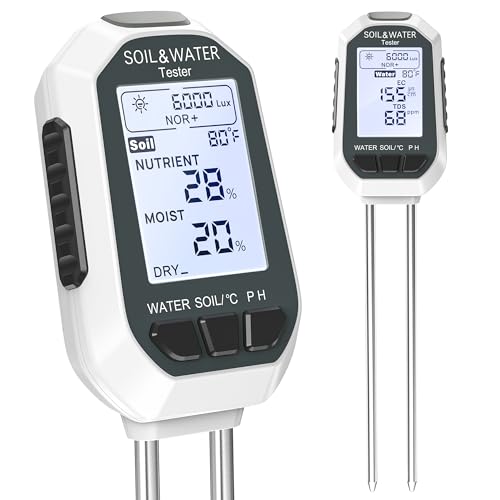
【7-in-1 Features】This is a 7-in-1 multi-function soil tester. Our soil tester quickly measures soil moisture, pH, temperature and light intensity, and its fertility function helps you take better care of your plants. With this device you can measure the soil moisture, pH, temperature and light intensity for your plants and with the EC and TDS functions you will know when it is time to water the soil.
Essential Gardening Tools
- Garden Spade
A sturdy garden spade helps you break up soil and dig holes for planting. - Hand Trowel
Use a hand trowel for transplanting seedlings and digging in tight spaces. - Rake
A rake is great for leveling soil and removing debris from your garden bed. - Hoe
A hoe allows you to cultivate soil and control weeds effectively. - Pruners
Keep pruners handy to trim dead or damaged plant parts. - Watering Can or Hose
Choose a watering can for small areas or a hose with a spray nozzle for larger gardens. - Gloves
Use durable gloves to protect your hands during planting and soil preparation.
- Soil Test Kit
Invest in a soil test kit to assess pH and nutrient levels. - Compost
Utilize compost to improve soil fertility and structure. - Mulch
Apply mulch around plants to retain moisture and suppress weeds. - Plant Labels
Use plant labels to keep track of your seedlings’ names and growing conditions. - Fertilizer
Select a balanced fertilizer to boost plant growth during the planting season. - Row Covers
Consider row covers to protect young plants from pests and temperature fluctuations.
By gathering these tools and supplies, you’re set for a successful garden planting.
Creating a Planting Schedule
A planting schedule helps you organize when to sow seeds and plant seedlings. Knowing the right timings increases your chances for a successful garden.
Seasonal Timing Considerations
Understand local frost dates to determine when to start planting. Most regions list the last frost date in spring and the first frost date in fall. You can find this information online or through local gardening centers. For example, in USDA hardiness zones 6, planting typically begins in late April. Additionally, consider which crops grow well in specific seasons. Cool-weather crops, like lettuce and peas, thrive in early spring. Warm-weather crops, like tomatoes and peppers, fare better in late spring through summer. By aligning your planting schedule with seasonal conditions, you set your garden up for success.
Planning for Crop Rotation
Implement crop rotation to enhance soil health and reduce pests. Plan which crops to grow in each area of your garden each year. For example, if you planted tomatoes in one bed this year, plant legumes like beans or peas in that bed the following year. This rotation replenishes nutrients and minimizes disease buildup. Keeping a simple chart or calendar helps you track what and where you plant each year. Use different color markers for each crop family to make it visually clear. Regularly rotating crops leads to healthier soil and more robust plants.
Conclusion
Getting your garden ready for planting can be an exciting journey. By taking the time to assess your space and understand your soil’s needs you’re setting yourself up for success. Choosing the right plants and using companion planting strategies will help create a thriving ecosystem in your garden.
Don’t forget to gather the essential tools and create a planting schedule to keep everything organized. With a little planning and care you’ll be well on your way to enjoying a beautiful and productive garden. So roll up your sleeves and get ready to dig in—the rewards of your hard work will be well worth it!
Frequently Asked Questions
How do I assess my garden space before planting?
To assess your garden space, start by evaluating sunlight and shade conditions, as most plants thrive in six to eight hours of direct sunlight. Check your soil quality and type by examining its texture and pH levels, which will help determine any necessary amendments for optimal growth.
Why is soil testing important for gardening?
Soil testing is crucial because it determines the pH level and nutrient content of your soil, which affects plant health. Most plants prefer a pH range of 6.0 to 7.5. Testing helps you amend your soil properly, ensuring ideal conditions for successful planting.
What organic matter can I add to my garden soil?
You can enhance your soil by adding organic matter like compost, well-rotted manure, or leaf mold. These additions improve soil fertility, structure, and moisture retention. For the best results, incorporate organic matter into your soil annually to maintain its health.
How do I choose the right plants for my garden?
Selecting the right plants involves understanding your local climate zones and soil type. Refer to the USDA Plant Hardiness Zone Map to choose plants suited for your area’s temperatures and conditions. This will help you cultivate a thriving garden.
What tools do I need for successful gardening?
Essential gardening tools include a garden spade, hand trowel, rake, hoe, pruners, watering can or hose, gloves, soil test kit, compost, mulch, plant labels, balanced fertilizer, and row covers. These items will help streamline soil preparation, planting, and maintenance.
Why is a planting schedule important?
A planting schedule organizes when to sow seeds and plant seedlings, increasing your garden’s success rate. Understanding local frost dates and aligning planting times with the appropriate seasonal crops are key factors for optimal growth and productivity.
How can I enhance my garden with companion planting?
Companion planting involves pairing compatible plants together to increase garden productivity. This strategy helps attract beneficial insects, efficiently utilize space, repel pests, and reduce disease issues. Integrating companion planting can lead to a healthier and more productive garden overall.
What are the benefits of crop rotation?
Crop rotation improves soil health by varying plant families in the same area each year. This practice helps prevent pest build-up, enhances nutrient diversity in the soil, and promotes stronger plants. Keeping a chart or calendar helps track crop rotations effectively.

My interest in trees started when I first saw the giant sequoias in Yosemite.I was a teenager then, and I remember thinking, “I need to learn more about this.”That moment stuck with me.A few years later, I went on to study forestry at Michigan Tech.
Since graduating, I’ve worked in a mix of hands-on tree care and community education.I’ve spent over ten years helping people understand how to plant, maintain, and protect the trees in their neighborhoods.I don’t see trees as just part of the landscape.They are living things that make a real difference in our daily lives.