Are you tired of battling pesky weeds that seem to pop up overnight in your garden? You’re not alone. Many gardeners face the same struggle, watching their hard work get overshadowed by unwanted plants.
Key Takeaways
- Understand Weed Types: Familiarize yourself with the different types of weeds—annual, perennial, biennial, and noxious—to develop effective management strategies.
- Know Weed Life Cycles: Recognizing the stages of weed growth—germination, growth, flowering, and dormancy—helps you time your weed control efforts more effectively.
- Implement Preventive Measures: Proper soil preparation and mulching techniques create a healthier garden environment and reduce weed growth significantly.
- Utilize Effective Weeding Methods: Hand weeding, using appropriate tools like hoes and weeding forks, can be highly effective in keeping your garden clean from weeds.
- Explore Chemical and Organic Solutions: Balance between pre-emergent and post-emergent herbicides as well as organic options like vinegar and salt to tackle weed problems safely and effectively.
- Commit to Ongoing Maintenance: Regular garden care, monitoring for new weed growth, and maintaining mulching barriers are key to preventing weed resurgence in your garden.
Understanding Weeds in Your Garden
Weeds pose a significant challenge in garden maintenance. Knowing the types of weeds and their life cycles can help you manage them effectively.
Types of Weeds
- Annual Weeds: These weeds complete their life cycle within a single growing season. Examples include crabgrass and chickweed. They germinate, grow, flower, and die all within a year.
- Perennial Weeds: These weeds live for multiple years. They often produce deep roots, making them difficult to eradicate. Examples include dandelions and bindweed.
- Biennial Weeds: These weeds take two years to complete their life cycle. In the first year, they grow a rosette of leaves; in the second, they flower and produce seeds. Examples include foxglove and mullein.
- Noxious Weeds: These weeds are invasive and can harm the ecosystem. They often spread quickly and choke out desirable plants. Examples include Japanese knotweed and purple loosestrife.
Life Cycle of Weeds
Understanding the life cycle of weeds helps you time your control efforts effectively.
- Germination: Weeds begin as seeds that can lie dormant in the soil for years. Ensure to apply pre-emergent herbicides early in the season to stop their germination.
- Growth: In the spring and early summer, weeds grow rapidly. Regularly inspect your garden during this phase to catch them early. Hand-pulling during this stage can be effective if you remove the entire root.
- Flowering and Seed Production: Many weeds flower in late summer or fall, producing thousands of seeds that spread. Cut weeds before they flower to prevent further spread.
- Dormancy: In winter, many weeds enter a dormant phase. However, some perennial weeds maintain roots and can re-emerge when conditions improve.
By understanding the types and life cycles of weeds, you can apply targeted strategies for control in your garden.
Preventive Measures
Taking preventive measures helps you reduce weed growth in your garden effectively. Implementing these strategies creates a healthier landscape while minimizing your maintenance efforts.
Recommended Products

Professional Grade Weed Barrier: LAVEVE weed barrier fabric is made of woven polypropylene material. Its high-density and permeable characteristics effectively stop weed growth and protect soil health so your plants can grow well.
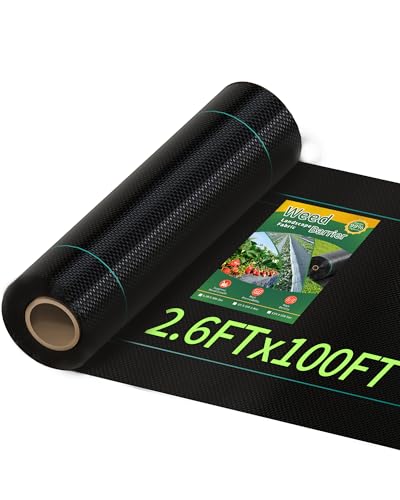
Weed Control: Woven polypropylene physically blocks sunlight to prevent weed seed germination, keeps flower beds, vegetable gardens, and landscaping weed-free without chemical herbicides.

Keep Your Landscape Clean and Tidy: Our premium weed barrier is designed to provide excellent weed control properties, ensuring a clean and tidy landscape for a long time.
Soil Preparation
Preparing your soil lays a solid foundation for weed control. Start by testing your soil to assess its pH and nutrient levels. Adjust your soil using compost or organic matter, which enhances its health and improves drainage. After you’ve prepared the soil, ensure it’s aerated to disrupt weed seed germination. Tilling helps mix the soil but avoid over-tilling, as it can bring buried seeds closer to the surface.
Mulching Techniques
Mulching acts as a barrier against weeds while keeping soil moisture intact. Apply a layer of organic mulch, such as straw, bark, or grass clippings, to suppress weeds and enrich the soil as it decomposes. Aim for a thickness of 2-4 inches for effective results. Prioritize using landscape fabric or plastic sheeting in vegetable gardens for additional weed control. Be cautious of weeds growing from the edges of the mulch; regularly maintain your mulch layers to keep them effective.
Effective Weeding Methods
You can adopt several effective methods to keep weeds at bay in your garden. Here are a couple of tried-and-true approaches for managing weed growth.
Recommended Products

IDEAL GIFTS FOR MEN, WOMEN - Our gardening tools set is the ultimate gift for any men women who loves to garden. Including rust-proof and durable tools, this set ensures she has everything she needs for a flourishing garden. The ergonomic design makes it comfortable to use, making it a thoughtful gift for wife, mom, daughter, or grandma.

1.Garden Gloves for Digging and Planting:Perfect for Digging and Planting, These garden gloves are made with 4 strong and sturdy ABS claws on each hands, easy for you to do all the yard work like digging, planting, weeding and seeding. All claws are attached with strong and environmental friendly material.
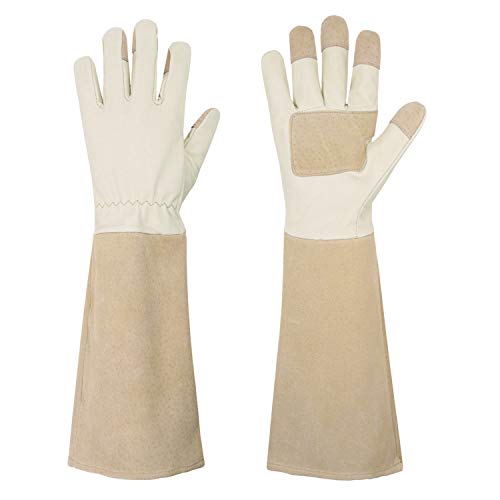
Breathable Gardening Gloves– Pigskin provides the best breathability of all leather gloves due to the hides porous texture, dry soft after getting wet, keep your hands cool and comfortable. Best gardening gifts for gardener.
Hand Weeding
Hand pulling weeds helps remove them entirely from your garden. Start by pulling weeds when they’re young and small. This ensures roots come out easily, preventing regrowth. Use a weeding tool to dig around stubborn roots, especially for perennial weeds. Always wear gloves to protect your hands from irritation and to avoid contact with any harmful plants. Dispose of weeds promptly to stop them from reseeding in your garden.
Tool Usage
Utilizing the right tools can simplify your weeding efforts and save time. Below are a few essential tools to consider:
- Hoe: Use a hoe to cultivate soil and target weed roots near the surface. Regular hoeing keeps weeds under control, especially in vegetable beds.
- Weeding Fork: Use a weeding fork to pry out deep-rooted weeds. It efficiently loosens the soil, allowing for easier removal.
- Garden Scuffle: Employ a garden scuffle to slice through weed roots just below the surface. It’s best suited for larger areas or when weeds have spread widely.
- Mulching Tools: Use tools like a rake to spread mulch evenly. Mulch suppresses weeds while enhancing moisture retention.
These tools make weeding tasks more manageable, helping you maintain a tidy garden without excessive effort. Regular usage ensures you stay ahead of weed growth, allowing your plants to thrive.
Chemical Solutions
Chemical solutions provide effective options for controlling weed growth in your garden. Selecting the right products ensures targeted action against specific weed types without harming your desired plants.
Recommended Products
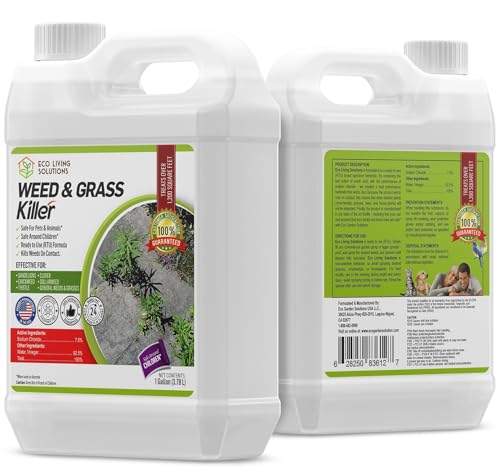
✔️ PET & KID SAFE HERBICIDE - Eco Garden Pro Weed Killer is designed with you and your family in mind! All of our ingredients are carefully selected to be SAFE FOR: PETS, CHILDREN, BEES, FISH, AND ANY LIVESTOCK!

✔️ PET & KID SAFE HERBICIDE - Eco Garden Pro Weed Killer is designed with you and your family in mind! All of our ingredients are carefully selected to be SAFE FOR: PETS, CHILDREN, BEES, FISH, AND ANY LIVESTOCK!

✔️ PET & KID SAFE HERBICIDE - Eco Garden Pro Weed Killer is designed with you and your family in mind! All of our ingredients are carefully selected to be SAFE FOR: PETS, CHILDREN, BEES, FISH, AND ANY LIVESTOCK!
Herbicides Overview
Herbicides come in two main categories: pre-emergent and post-emergent herbicides. Pre-emergent herbicides prevent weed seeds from germinating. They typically get applied to the soil before weed emergence, creating a barrier to growth. Post-emergent herbicides target already grown weeds. These products often require direct contact with the leaves for optimal effectiveness. Always read labels for application instructions to minimize risks to surrounding plants and the environment.
| Herbicide Type | Purpose | Application Timing |
|---|---|---|
| Pre-emergent | Prevents seed germination | Before weed emergence |
| Post-emergent | Kills existing weeds | After weeds have emerged |
Organic Options
Organic herbicides offer a safer choice for environmentally conscious gardeners. Options include vinegar, salt, and boiling water. Vinegar, which contains acetic acid, can effectively kill young weeds when sprayed directly. Salt can dehydrate weeds but requires careful application to prevent soil salinity. Boiling water works well for annual weeds and can easily be used during routine garden maintenance.
When using organic options, keep in mind the following tips:
- Apply vinegar on sunny days for better results.
- Use salt sparingly to avoid soil damage.
- Boiling water is most effective for weeds along pathways or driveways where you don’t want to harm surrounding plants.
Using these chemical and organic solutions can help you manage weed growth effectively, allowing your garden to thrive.
Ongoing Maintenance
Ongoing maintenance is crucial for keeping weeds at bay. Consistent care and attention make a significant difference in garden health.
Regular Garden Care
Regular garden care includes watering, pruning, and fertilizing. Water your plants deeply but infrequently to encourage root growth, reducing the chance for weed seeds to thrive. Prune your plants to allow sunlight to penetrate the soil surface, preventing weed growth. Apply organic fertilizers to boost plant health, helping them compete effectively against weeds.
Consider setting a weekly schedule that includes checking for weeds. For example, spend 10-15 minutes each week scanning your garden for new growth. This proactive approach makes it easier to manage unwanted plants before they spread.
Monitoring for New Weeds
Monitoring your garden for new weeds is essential. Routine checks help catch early signs of weed growth. Look for young weeds, especially after rain or watering, as moisture promotes their germination.
Use a garden journal to track your findings. Note the locations and types of weeds you encounter. This can help you identify patterns and focus your weeding efforts.
Employing preventive measures like mulching and utilizing landscape fabric can further hinder weed emergence. Make it a habit to inspect your mulch regularly, ensuring it remains at a thickness of 2-4 inches. Regular maintenance of these barriers prolongs their effectiveness in weed control.
Conclusion
Taking control of weeds in your garden is totally achievable with the right strategies. By understanding the types of weeds and their growth stages you can tailor your approach for better results. Regular maintenance and preventive measures like mulching and soil preparation will help create a thriving environment for your plants.
Stay consistent with your weeding efforts and don’t hesitate to use the tools and methods that work best for you. Whether you prefer organic solutions or chemical options make sure to choose what aligns with your gardening style. With a little dedication and care your garden can flourish free from the hassle of unwanted weeds. Happy gardening!
Frequently Asked Questions
What types of weeds are commonly found in gardens?
Weeds are typically classified into four types: annuals, perennials, biennials, and noxious weeds. Annual weeds complete their life cycle in one year, while perennials return year after year. Biennials take two years to mature, and noxious weeds are invasive species that can harm other plants. Understanding these types helps in effective weed management.
What is the best way to control weeds at different growth stages?
Control weeds effectively by using specific strategies for each growth stage. In early growth, hand-pulling is ideal. For mature weeds, apply post-emergent herbicides. Pre-emergent herbicides work best to prevent seed germination. Knowing the stages allows for targeted intervention, reducing overall weed prevalence.
How can soil preparation help in reducing weed growth?
Healthy soil is crucial for reducing weeds. Amend and test your soil to improve drainage and health. Aerating disrupts weed seed germination, making it more challenging for weeds to take root. Proper soil preparation creates an environment that supports desired plant growth while keeping weeds at bay.
Why is mulching recommended for gardens?
Mulching is beneficial as it suppresses weed growth and retains soil moisture. A 2-4 inch layer of organic mulch blocks sunlight, preventing weeds from sprouting. It also improves soil health over time. Regular maintenance of mulch layers helps keep weeds from emerging at the edges.
What tools are effective for weeding?
Effective weeding tools include hoes, weeding forks, and garden scuffles. These tools simplify the weeding process, allowing gardeners to maintain a tidy garden. Hand-pulling is also effective, especially when weeds are young. Regular use of these tools promotes efficient weed control.
How do herbicides work in weed control?
Herbicides are categorized into pre-emergent and post-emergent types. Pre-emergent herbicides prevent weed seed germination, while post-emergent herbicides kill existing weeds. Selecting the right type is essential for targeting specific weeds without harming your plants. Always follow label instructions for safe application.
Are there organic options for weed control?
Yes, organic options like vinegar, salt, and boiling water can be effective. These methods target weeds without damaging the environment. Use vinegar as a natural herbicide while being cautious near desired plants. Salt should be used sparingly, as it can affect soil health.
How can regular garden care help prevent weeds?
Regular care significantly impacts controlling weeds. Practices like deep but infrequent watering and pruning for sunlight penetration help plants compete against weeds. Setting a weekly schedule for checking for new weed growth allows for timely interventions, maintaining a healthier garden environment.
What are some preventive measures for weed control?
Preventive measures include mulching and using landscape fabrics. Mulch blocks sunlight, while landscape fabric prevents weed seed germination in vegetable gardens. Regular inspections and maintenance of these layers are crucial to ensure they remain effective in controlling weeds over time.

I’ve always been drawn to trees.As a kid, I spent most of my free time outside, climbing, exploring, and trying to figure out the names of the trees around me.That early curiosity eventually led me to study arboriculture and horticulture at Michigan State.Later, I completed a degree in forestry at the University of Michigan.
I’ve been working in tree care and education ever since.These days, I enjoy helping people learn more about the trees in their own backyards.How they grow, how to care for them, and why they matter.You don’t need to be an expert to appreciate trees.A little curiosity goes a long way.