Are you noticing unusual damage to your garden plants or wooden structures? It might be more than just a pest problem; termites could be lurking in your soil. These tiny invaders can wreak havoc on your garden, leaving you frustrated and concerned about the health of your plants.
Key Takeaways
- Identify Termite Types: Recognize the three main types of termites that can invade garden soil—subterranean, drywood, and dampwood—to tailor prevention strategies effectively.
- Spot Infestation Signs: Be vigilant for early signs of termite activity, including mud tubes, damaged wood, frass, and swarmers, to manage populations proactively.
- Implement Prevention Methods: Maintain healthy soil through aeration, organic matter use, and crop rotation, as well as create organic barriers to deter termite activity.
- Explore Treatment Options: Choose between chemical treatments like boric acid and fipronil, or natural remedies like nematodes and diatomaceous earth, based on your preferences.
- Conduct Regular Monitoring: Perform periodic inspections after treatment to check for signs of new activity, ensuring long-term success in managing termite populations.
- Evaluate Treatment Effectiveness: Look for indicators of successful treatment, such as reduced termite activity and improved plant health, to adjust strategies as needed.
Understanding Termites in Garden Soil
Termites can pose a significant threat to garden health. Your garden soil requires a closer examination to identify potential infestations and take necessary action.
Types of Termites
Most commonly, there are three types of termites that can invade garden soil:
- Subterranean Termites: These termites make their homes underground. They thrive in damp soil and often build mud tubes for travel.
- Drywood Termites: These pests don’t require contact with soil. They nest in dry wood and can cause issues for wooden structures in your garden.
- Dampwood Termites: These termites prefer moist conditions and are typically found in decaying wood. They can contribute to soil problems if left unchecked.
Understanding these types helps you tailor your prevention strategies effectively.
Signs of Infestation
Identifying termite activity early prevents extensive damage. Watch for these signs in your garden:
- Mud Tubes: Look for small, pencil-sized tubes made from soil, feces, and wood remnants. These indicate subterranean termite presence.
- Damaged Wood: Check any wooden structures or raised beds for hollowed-out sections. Wood that sounds hollow when tapped often has termites.
- Frass: Find small piles of wood-like debris, known as frass, near infested wood. This is a sure sign of termite activity.
- Swarmers: Notice any winged termites during warm months. Swarmers often emerge when colonies expand.
Being proactive about spotting these signs helps in managing termite populations effectively.
Prevention Methods
Preventing termites in garden soil requires proactive measures to protect plants and wooden structures. Implementing effective strategies can significantly reduce the risk of infestation.
Recommended Products

Works through ingestion, grooming and casual contact

FOAMING AEROSOL: Expands into areas such as voids and channels in damaged wood, behind veneers and in cracks and crevices

EFFECTIVE CONTROL OF PLANT-PARASITIC NEMATODES: Monterey Nematode Control is specially formulated to suppress and manage damaging nematodes in lawns and home gardens, helping protect roots and improve plant health.
Maintaining Soil Health
Maintaining healthy soil boosts plant immunity against pests. Aerate the soil regularly to promote drainage and prevent moisture accumulation, which attracts subterranean termites. Use organic matter, such as compost or mulch, to enrich soil and encourage beneficial microorganisms. Test the soil pH to ensure a balanced environment; a pH between 6 and 7 supports optimal plant growth. Rotate crops annually to disrupt potential termite habitats, and control weeds that can provide shelter for pests.
Organic Barriers
Creating organic barriers deters termite activity effectively. Use natural materials like crushed stone or sand around wooden structures, as termites struggle to navigate these mediums. Planting mint or garlic around garden perimeters can repel termites, as they dislike these scents. Introduce beneficial nematodes; these microscopic worms attack termite larvae and help keep populations under control. Incorporating these strategies adds a layer of protection while promoting a healthy ecosystem in your garden.
Treatment Options
Several effective treatment options exist to eliminate termites in garden soil. You can choose between chemical treatments and natural remedies based on your preferences and environmental concerns.
Recommended Products

Long Lasting - Continues to kill roaches, palmetto bugs, water bugs and silverfish for weeks after application as long as it's kept dry

MULTIPURPOSE CLEANING SOLUTION - Our boric acid powder is industrial-grade and ideal for getting out clothing stains, freshening laundry, and acts as a powerful deodorizer for kitchen, shoes, messes, and much more.

Chemical Treatments
Chemical treatments offer quick results in managing termite populations. Here are some commonly used chemical solutions:
- Boric Acid: This odorless powder disrupts a termite’s digestive system. Apply it directly to infested soil or mix it with water to create a spray.
- Fipronil: This insecticide targets termites’ nervous systems. Professionals often use it to treat large infestations, injecting it into the ground or applying it as a barrier.
- Chlorpyrifos: This pesticide affects termites’ ability to regulate their water intake. Apply it to the soil as a preventative measure against future infestations.
- Termiticides: These specialized chemicals create a barrier around your garden. They prevent termites from entering and can last several years with proper application.
Always follow the manufacturer’s instructions when using chemical treatments to ensure safety and effectiveness.
Natural Remedies
Natural remedies provide eco-friendly alternatives to combat termites. You can try the following options:
- Nematodes: Beneficial nematodes are microscopic worms that attack termite larvae. Apply them to the soil as a natural pest control method.
- Diatomaceous Earth: This powder contains tiny, fossilized water organisms. Sprinkle it in infested areas. It dehydrates and kills termites on contact.
- Orange Oil: Extracted from orange peels, this oil contains d-limonene, which can kill termites. Mix it with water and spray on affected areas.
- Vinegar: Mix equal parts vinegar and water. Spray the solution directly on termites and their nests to deter them naturally.
For the best results, consider using a combination of these options. Regular monitoring and early detection remain key in managing termite infestations effectively.
Monitoring and Follow-Up
Regular monitoring after treatment is crucial for ensuring long-term success in managing termite populations. Consistent checks help identify any signs of new activity or remaining infestations, allowing for timely intervention.
Recommended Products

Professional-Grade Protection: Trusted and widely used by pest control experts for effective termite management. 17 piece homeowners kit for use around home.
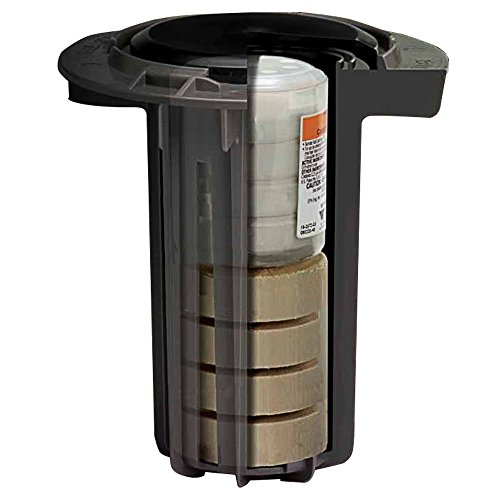
Includes one CASE of TBS systems: 10 x Advance Termite Inspection Cartdrdge (TIC), 10 x TBS station, 10 x wood block for monitor

Comprehensive Package for Effective Termite Monitoring: this set includes 10 termite bait station monitoring wood inserts, each with a height about 2.99 inches (7.6 cm) and a diameter about 2.36 inches (6.6cm); These termite stakes bait stations wood bases are designed for seamless compatible with standard termite monitoring systems, ensuring efficient pest control management
Regular Inspections
Conduct periodic inspections of the garden soil and surrounding areas. Check for signs like mud tubes, frass, or visible termite activity. Aim to inspect every month for the first few months after treatment. If you spot anything unusual, take immediate action. Additionally, consider using a moisture meter to detect damp soil conditions that attract subterranean termites. Maintaining vigilance keeps your garden healthy and protects it from future infestations.
Signs of Successful Treatment
Look for specific indicators that treatment has worked. A significant drop in termite activity, such as the absence of mud tubes and frass, suggests effective management. Noticing fewer swarmers during peak seasons also signals positive results. You may also observe improved plant health and growth in treated areas, which can indicate reduced termite pressure. If any signs of infestation persist, reevaluate your methods and consult pest control experts as needed to adjust your approach. Regular follow-up ensures your garden remains thriving and free from termites.
Conclusion
Getting rid of termites in your garden soil doesn’t have to be a daunting task. By staying proactive and using a mix of prevention and treatment methods, you can protect your plants and wooden structures from these pesky invaders. Regular monitoring is essential to catch any signs of infestation early on.
Remember to keep your soil healthy and consider eco-friendly options alongside chemical treatments for a balanced approach. If you notice persistent issues, don’t hesitate to reach out to pest control experts. With a little effort and vigilance, you can maintain a thriving garden that’s free from termite damage. Happy gardening!
Frequently Asked Questions
What are the main types of termites that can damage my garden?
There are three main types of termites that can invade gardens: subterranean termites, which thrive in damp soil and build mud tubes; drywood termites, which nest in dry wood and damage wooden structures; and dampwood termites, found in decaying wood and moist conditions.
How can I identify signs of a termite infestation?
Signs of a termite infestation include mud tubes, damaged wood, frass (wood-like debris), and swarmers (winged termites). Regular inspections can help you catch infestations early.
What are some prevention methods for termites in my garden?
To prevent termites, maintain healthy soil through aeration, organic matter addition, and crop rotation. Create organic barriers with crushed stone or sand, and consider planting mint or garlic to repel termites.
What treatment options are available for eliminating termites?
You can use chemical treatments like boric acid and termiticides for quick results. Natural remedies include beneficial nematodes, diatomaceous earth, orange oil, and vinegar. A combination of both methods is recommended for effective control.
How often should I monitor my garden for termites?
Regular monitoring is essential. Conduct periodic inspections, looking for signs like mud tubes and frass, and checking moisture levels to detect conditions attractive to subterranean termites.

My interest in trees started when I first saw the giant sequoias in Yosemite.I was a teenager then, and I remember thinking, “I need to learn more about this.”That moment stuck with me.A few years later, I went on to study forestry at Michigan Tech.
Since graduating, I’ve worked in a mix of hands-on tree care and community education.I’ve spent over ten years helping people understand how to plant, maintain, and protect the trees in their neighborhoods.I don’t see trees as just part of the landscape.They are living things that make a real difference in our daily lives.