Have you ever found your garden overtaken by pesky horsetail weed? It’s a common struggle for many gardeners, and it can feel overwhelming when that stubborn plant starts to invade your space. You’re not alone in this battle, and there are effective ways to reclaim your garden.
Key Takeaways
- Identify Horsetail Characteristics: Recognize horsetail weed by its tall, slender, hollow stems and extensive underground rhizomes that allow rapid regrowth.
- Implement Effective Removal Methods: Employ manual removal techniques like deep digging and using proper tools, combined with targeted herbicide applications, for better success.
- Monitor Soil Health: Improve drainage and aeration while managing soil pH to create an unfavorable environment for horsetail weed.
- Choose the Right Plants: Select native and deep-rooting plants to increase competition against horsetail, reducing its chances of dominance in your garden.
- Maintain Regular Garden Practices: Consistently weed, mulch, and inspect your garden to prevent horsetail’s regrowth and establish a healthy ecosystem.
- Educate and Engage: Stay informed about invasive plants and communicate with fellow gardeners for shared strategies and support in combating horsetail weed.
Understanding Horsetail Weed
Horsetail weed poses a significant challenge for gardeners. Understanding its characteristics and persistence helps you devise effective removal strategies.
Characteristics of Horsetail Weed
Horsetail weed, also known as Equisetum, is identifiable by its tall, slender stems that often grow between 1-3 feet. The plant features bushy, jointed shoots that appear green and leafless. It has a unique, prehistoric appearance, reminiscent of ancient ferns. This weed thrives in moist, well-drained soil and often appears in gardens, lawns, and along waterways. Possible descriptions include:
- Structure: Hollow, jointed stems with a segmented appearance.
- Growth Habit: Spreads rapidly through extensive underground rhizomes.
- Reproduction: Produces spores instead of flowers, making it resistant to traditional weeding methods.
Reasons for Its Persistence
Horsetail weed’s resilience stems from several factors. First, it establishes deep, invasive rhizomes that facilitate quick regrowth, even after removal attempts. Second, its ability to reproduce through spores means it can spread quickly in a garden. Common reasons include:
- Moisture Requirements: Prefers damp, nutrient-rich environments, allowing it to outcompete other plants.
- Chemical Resistance: Resistant to many herbicides, making control more difficult.
- Adaptability: Thrives in various soil conditions, demonstrating flexibility that enhances its survival.
Understanding horsetail weed’s characteristics and reasons for persistence provides insight into effective management strategies for your garden.
Effective Methods to Get Rid of Horsetail Weed
Getting rid of horsetail weed requires patience and determination. Utilize effective methods to combat this persistent invader in your garden.
Manual Removal Techniques
- Time Removal Carefully: Remove horsetail weed during its early growth stages. Young plants are easier to pull out completely, including their rhizomes.
- Use Tools: Employ tools like a spade or garden fork to loosen soil around the roots. This helps you pull out the entire plant more easily, minimizing the risk of re-growth.
- Dig Deep: Ensure you dig at least 12 inches deep. Horsetail’s extensive rhizomes can spread far below the soil surface. Leaving fragments behind encourages regrowth.
- Frequent Checks: Regularly check your garden for new growth. Monitor the area for any signs of returning horsetail weed and remove it immediately.
- Dispose Properly: Place removed horsetail in a sealed bag for disposal. This prevents any fragments from re-establishing in your garden.
- Select Herbicides: Use herbicides designed to target horsetail. Look for products containing glyphosate or imazapyr, as these effectively kill the weed while minimizing damage to desired plants.
- Follow Instructions: Apply chemicals according to the package instructions. Ensure proper dosage and timing for maximum effectiveness.
- Use with Caution: Be aware that horsetail can resist many common herbicides. Test a small area first to gauge results before wide application.
- Consider Soil Health: After chemical application, improve soil health with compost and mulch. Healthy soil can help desirable plants compete against any remaining horsetail.
- Spot Treatment: Employ spot treatment methods to control localized areas of horsetail. This reduces chemical usage and minimizes impact on surrounding plants.
Preventing Horsetail Weed Growth
You can effectively prevent horsetail weed growth by implementing proper soil management strategies and choosing the right plants for your garden.
Recommended Products
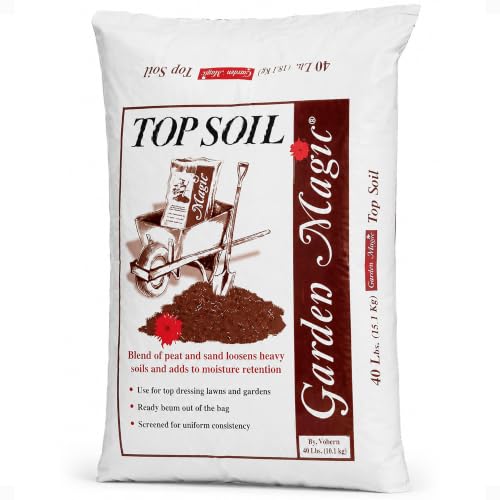
Ready-to-Use for All Planting Needs: This general-purpose potting soil is ready to use out of the bag, perfect for both indoor and outdoor planting without any extra prep

Compressed Block Replaces Heavy Bags: No more heavy, messy, bulky bags—this compressed block is easy to carry, store, and handle. Just add water and it expands in minutes into ready-to-use mulch for fast, simple application
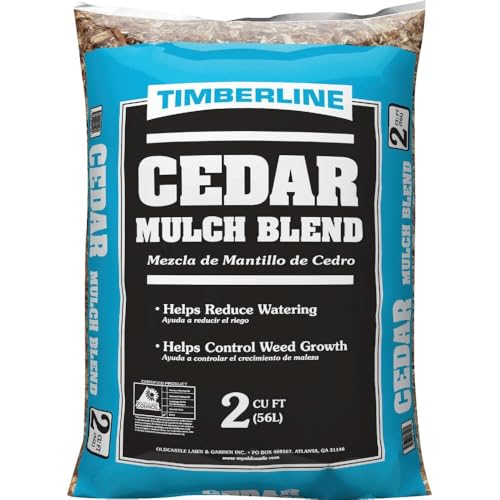
Gives any landscape a finished look and feel
Soil Management Strategies
- Improve Drainage: Ensure proper drainage in your garden. Horsetail thrives in damp conditions. Adding organic matter, such as compost, helps improve soil structure and drainage.
- Adjust Soil pH: Test your soil’s pH level. Horsetail prefers slightly acidic to neutral soil (pH 5.5 to 7). If your soil is too acidic or alkaline, consider applying lime to raise pH or sulfur to lower pH.
- Regular Soil Aeration: Aerate your soil regularly. Aeration helps reduce compaction and promotes healthy root development for desirable plants, making it harder for horsetail to establish itself.
- Mulching: Apply a thick layer of mulch (2-3 inches) around your plants. Mulch blocks sunlight, suppresses weed growth, and retains soil moisture.
- Monitor Watering Practices: Water your garden appropriately. Avoid overwatering, as excess moisture fosters horsetail growth. Only water when the top inch of soil feels dry.
- Select Native Plants: Choose native plants that thrive in your area. These plants are better adapted to local conditions and can outcompete invasive species like horsetail.
- Diverse Planting: Create a diverse planting scheme. Mixing various species adds competition, making it difficult for horsetail to dominate.
- Ground Covers: Consider planting dense ground covers. Options like creeping thyme or clover effectively suppress horsetail growth by covering the soil.
- Avoid Planting in High-Risk Areas: Steer clear of planting in areas prone to flooding or excessive moisture. These zones provide perfect conditions for horsetail.
- Use Deep-Rooting Plants: Opt for deep-rooting plants, which help improve soil structure. Deep roots disturb horsetail’s rhizomes, reducing its spread.
Implementing these strategies prevents horsetail growth and promotes a healthy and thriving garden environment.
Best Practices for Maintaining a Healthy Garden
Maintaining a healthy garden helps prevent horsetail weed and other invasive plants from taking over. Implementing a mix of regular upkeep and monitoring strategies strengthens your garden’s resilience.
Regular Maintenance Tips
- Weed Regularly: Remove weeds before they go to seed. Clear new growth, focusing on areas where horsetail is likely to emerge.
- Mulch: Apply a 2-3 inch layer of organic mulch around plants. Mulch blocks sunlight and suppresses weed growth effectively.
- Water Wisely: Water your garden early in the day or late afternoon. Avoid overwatering, as excess moisture encourages horsetail growth.
- Aerate the Soil: Aerate at least once a year to enhance drainage. This helps create an environment less favorable to horsetail’s growth.
- Fertilize Knowledgeably: Use balanced fertilizers to promote strong plant growth. Healthy plants can compete better with weeds.
- Inspect Regularly: Walk through your garden weekly. Look for signs of horsetail or other weeds trying to establish.
- Document Changes: Keep a garden journal. Note any new growth patterns or areas where pests or weeds appear more prevalent.
- Act Quickly: As soon as you spot horsetail, tackle it immediately. Use manual removal or targeted herbicides based on your garden’s needs.
- Stay Educated: Research invasive plants to remain informed. Understanding their biology helps you anticipate their growth patterns in your garden.
- Engage with Your Community: Join local gardening groups to share experiences. Other gardeners can offer valuable insights and strategies based on their successes.
By following these best practices, you reinforce your garden’s defenses and create an environment that’s less likely to attract horsetail weed.
Conclusion
Dealing with horsetail weed can feel overwhelming but remember you have the tools to tackle it. By combining manual removal with targeted treatments and preventive measures, you can reclaim your garden space. Stay vigilant and proactive in your approach to keep this invasive plant at bay.
Don’t hesitate to reach out to fellow gardeners for support and share your experiences. With patience and persistence, you’ll cultivate a thriving garden that’s free from horsetail and full of healthy plants. Your garden deserves it, so keep up the good work and enjoy the beauty of your hard-earned results!
Frequently Asked Questions
What is horsetail weed and why is it a problem for gardeners?
Horsetail weed, or Equisetum, is a persistent invasive plant characterized by tall, slender, bushy stems that can reach 1-3 feet. It grows rapidly in moist, well-drained soil, spreading through extensive underground rhizomes and reproducing via spores, making it difficult to control and a common frustration for gardeners.
How can I manually remove horsetail weed from my garden?
To manually remove horsetail weed, pull out young plants gently, use a spade to loosen the soil, and dig deep to extract rhizomes. Regularly check for new growth and ensure proper disposal of removed plants to prevent re-establishment in your garden.
Are there any effective herbicides to control horsetail weed?
Targeted herbicides, particularly those containing glyphosate or imazapyr, can be effective against horsetail weed. Always follow application instructions and consider soil health after treatment to minimize any negative impacts on other plants.
What preventive measures can I take to inhibit horsetail growth?
To inhibit horsetail growth, improve soil drainage, adjust soil pH, and aerate regularly. Use mulch to block sunlight, manage watering practices to avoid excess moisture, and choose native plants or deep-rooting plants that can outcompete horsetail in your garden.
What maintenance practices can help prevent horsetail and other invasive plants?
Regular maintenance practices include weeding before plants seed, applying a 2-3 inch layer of organic mulch, watering wisely to prevent excess moisture, aerating soil annually, and using balanced fertilizers. Weekly inspections and prompt action against horsetail growth are also essential for garden health.

My interest in trees started when I first saw the giant sequoias in Yosemite.I was a teenager then, and I remember thinking, “I need to learn more about this.”That moment stuck with me.A few years later, I went on to study forestry at Michigan Tech.
Since graduating, I’ve worked in a mix of hands-on tree care and community education.I’ve spent over ten years helping people understand how to plant, maintain, and protect the trees in their neighborhoods.I don’t see trees as just part of the landscape.They are living things that make a real difference in our daily lives.