Have you ever found your vegetable garden overrun by pesky chickweed? You’re not alone. Many gardeners face this common challenge, and it can feel overwhelming when those little green invaders start taking over precious space meant for your plants.
Key Takeaways
- Understanding Chickweed: Recognize chickweed’s characteristics, such as its dense growth and competition with vegetables, to address its impact effectively in your garden.
- Preventive Measures: Implement soil preparation techniques, like improving drainage and using mulch, to create an environment less favorable for chickweed growth.
- Organic Removal Methods: Use hand pulling and mulching as organic strategies to eliminate chickweed while protecting the ecosystem and promoting vegetable health.
- Chemical Control Options: Consider selective herbicides for quick and efficient chickweed management, ensuring safe application and monitoring to avoid resistance.
- Ongoing Maintenance: Regularly monitor your garden for reinfestation and adopt seasonal practices like early mulching and fall cleanup to prevent chickweed recurrence.
Understanding Chickweed
Chickweed is a common weed that often surfaces in vegetable gardens. Recognizing its characteristics and understanding its impact is crucial for successful gardening.
What Is Chickweed?
Chickweed refers to several species of plants from the genus Stellaria. It typically has small, white, star-shaped flowers and grows close to the ground, forming dense mats. This weed flourishes in moist, nutrient-rich soil and can grow throughout the spring and fall. Its leaves are oval and smooth, with a slightly hairy texture. The stems are delicate and may root at nodes, allowing for rapid spread.
Why Is It Problematic in Vegetable Gardens?
Chickweed competes aggressively with vegetable plants for essential resources. It thrives in the same conditions preferred by your vegetables, which leads to diminished growth and yields. Moreover, chickweed can harbor pests and diseases, putting your precious crops at risk. Its prolific seed production means it can take hold quickly, germinating in large quantities. Addressing chickweed early helps maintain a healthy garden environment for your vegetables.
Preventive Measures
Taking proactive steps helps you manage chickweed effectively in your vegetable garden. Implement preventive measures to reduce its growth and spread.
Soil Preparation Techniques
- Clear Debris: Remove old plant material and debris from your garden. This reduces the potential for chickweed seeds to take root.
- Improve Drainage: Modify your soil texture by adding sand or compost. Well-drained soil discourages chickweed, which prefers moist conditions.
- Mulch Regularly: Apply organic mulch such as straw or wood chips around your plants. Mulch creates a barrier that prevents chickweed from establishing itself by blocking sunlight.
- Soil Testing: Conduct a soil test to understand nutrient levels. Adjusting pH or nutrient content can enhance your vegetable plants, making them more competitive against weeds.
- Choose Dense Crops: Opt for closely spaced crops like lettuce or spinach. Dense plantings reduce the space available for chickweed to grow.
- Opt for Fast-Growing Varieties: Select quick-maturing vegetables such as radishes or cucumbers. These crops outgrow chickweed, reducing its chances of establishment.
- Mix Companion Plants: Integrate companion planting methods, pairing crops like beans with corn. This discourages weeds, as the intercropping creates a complex environment that chickweed struggles in.
- Rotate Crops Annually: Change the location of your crops each year. Crop rotation disrupts the lifecycle of chickweed, reducing its prevalence in your garden.
By implementing these preventive measures, you effectively minimize the risk of chickweed taking over your vegetable garden.
Organic Removal Methods
Organic methods provide effective ways to rid your vegetable garden of chickweed without relying on chemicals. These techniques promote a healthy ecosystem while eliminating unwanted growth.
Hand Pulling Techniques
Hand pulling works best when the soil is moist.
- Wear Gloves: Protect your hands while handling chickweed.
- Grip the Base: Hold the plant at the base near the soil for better removal.
- Pull Gently: Remove the entire root system to prevent regrowth.
Consider pulling chickweed after a rain, as moist soil makes it easier to dislodge. Regularly check your garden for new growth to stay ahead of infestations.
Mulching for Control
Mulching suppresses chickweed by blocking sunlight and retaining moisture.
- Choose the Right Mulch: Organic options include straw, shredded leaves, or grass clippings.
- Apply a Thick Layer: Spread mulch 2-3 inches deep around your vegetable plants.
- Replenish Regularly: Add more mulch as it breaks down over time.
Effective mulching creates a barrier that not only hinders chickweed growth but also benefits your vegetables by keeping the soil temperature consistent. Aim to mulch in early spring before chickweed seeds germinate for maximum impact.
Chemical Control Options
Chemical control options can effectively reduce chickweed infestation in your vegetable garden. Herbicides specifically formulated for broadleaf weeds can target chickweed while minimizing harm to your crops.
Recommended Products
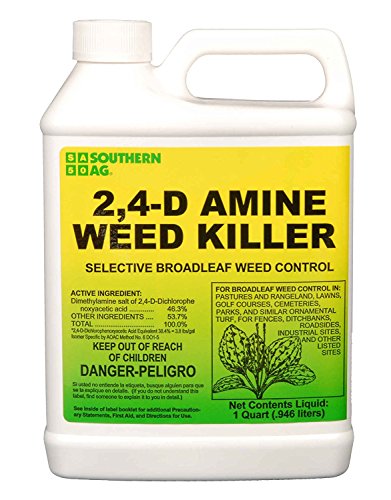
Low, economical use rate of 1 to 4 pints per acre

Controls over 80 broadleaf weeds including Clover, Spurge, Chickweed, Thistle, see label for more.

Kills Crabgrass, Dandelion, Clover, and other common weeds found in your lawn with Ortho WeedClear Lawn Weed Killer Ready-To-Use
Herbicides: Pros and Cons
Pros:
- Quick action: Herbicides often provide rapid results, killing chickweed within days.
- Efficiency: Some products can treat large areas quickly, saving time and effort.
- Targeted formulations: Certain herbicides focus on broadleaf weeds, reducing damage to surrounding vegetables.
Cons:
- Chemical exposure: Herbicides may expose you, your family, and pets to harmful substances.
- Environmental impact: Products can affect beneficial insects, soil health, and nearby plants.
- Resistance development: Over time, repeated use can lead to herbicide-resistant chickweed populations.
- Select the right herbicide: Choose a selective herbicide effective against chickweed while safe for your desired vegetables. Look for products containing ingredients like 2,4-D or dicamba.
- Read and follow label instructions: Prioritize safety and effectiveness by adhering to the manufacturer’s guidelines on application rates, timing, and safety precautions.
- Apply during optimal conditions: Spray when chickweed is actively growing, typically in early spring or late fall, ensuring temperatures are between 60°F and 85°F for best results.
- Use appropriate equipment: Employ a sprayer to achieve even coverage, avoiding excess application. Wear protective gear like gloves and a mask to minimize exposure.
- Monitor your garden: After application, keep an eye on the treated area. Reapply if necessary, following the product instructions.
By utilizing chemical control options safely and effectively, you can manage chickweed in your vegetable garden, improving the health and yield of your crops.
Ongoing Maintenance
Maintaining vigilance against chickweed requires consistent effort. Regular monitoring and seasonal practices strengthen your garden’s defense.
Monitoring For Reinfestation
Check your garden weekly for signs of chickweed. Look for small, tender plants with bright green leaves. If you spot chickweed, act quickly to remove it before it seeds. Hand-pulling is effective when the soil is moist. Grasp the base of the plant, ensuring you get the roots. If pulling isn’t feasible, consider using a hoe to cut larger patches. Keep an eye on common areas where chickweed tends to thrive, like pathways and borders.
Seasonal Practices to Prevent Chickweed
Implement specific practices each season to minimize chickweed growth.
- Spring Preparation:
- Rake debris from the garden. This disrupts chickweed seedbeds.
- Apply organic mulch early. Aim for a depth of at least 2 to 4 inches around your plants to block light.
- Summer Maintenance:
- Water your vegetable plants deeply but infrequently. This promotes healthier crops, making them less vulnerable to competition.
- Regularly inspect for new growth, particularly after rainfall.
- Fall Cleanup:
- Clear fallen leaves and plant debris. This reduces hiding spots for wintering chickweed seeds.
- Consider planting cover crops. These can outcompete chickweed and enrich soil at the same time.
By integrating these ongoing maintenance strategies, you create a proactive approach to managing chickweed, supporting the health of your vegetable garden.
Conclusion
Getting rid of chickweed in your vegetable garden doesn’t have to be a daunting task. With a mix of prevention and proactive management you can keep this pesky weed at bay. Whether you choose organic methods or consider chemical options make sure to stay vigilant and act quickly when you spot any signs of it.
Regular maintenance and seasonal practices will help you create a thriving garden where your vegetables can flourish. Remember that a healthy garden not only benefits your crops but also creates a more enjoyable gardening experience. So roll up your sleeves and take charge of your garden—you’ve got this!
Frequently Asked Questions
What is chickweed, and why is it a problem in vegetable gardens?
Chickweed is a common weed with small, white, star-shaped flowers that forms dense mats close to the ground. It thrives in moist, nutrient-rich soil and competes aggressively with vegetable plants for water, nutrients, and sunlight, leading to reduced growth and crop yields.
How can I prevent chickweed from invading my garden?
To prevent chickweed, clear debris from your garden, improve soil drainage, regularly apply organic mulch to block sunlight, and conduct soil tests to optimize nutrients. Choosing dense, fast-growing crops and rotating them annually can also help minimize chickweed’s impact.
What are the best organic methods to remove chickweed?
Hand-pulling is effective for organic removal, especially when the soil is moist. Grip the base of the plant and remove the entire root to prevent regrowth. Mulching with organic materials also suppresses chickweed by blocking sunlight and retaining moisture.
Are there chemical options for controlling chickweed?
Yes, chemical herbicides can control chickweed effectively. However, they come with risks like chemical exposure and environmental concerns. If using herbicides, select the appropriate product, follow label instructions, and monitor your garden after application to ensure effectiveness.
How often should I check for chickweed in my garden?
Regular monitoring is crucial. Check your garden weekly for signs of chickweed, especially during the growing season. Early detection and prompt removal can help prevent the weed from spreading and seeding, protecting your vegetable plants.

My interest in trees started when I first saw the giant sequoias in Yosemite.I was a teenager then, and I remember thinking, “I need to learn more about this.”That moment stuck with me.A few years later, I went on to study forestry at Michigan Tech.
Since graduating, I’ve worked in a mix of hands-on tree care and community education.I’ve spent over ten years helping people understand how to plant, maintain, and protect the trees in their neighborhoods.I don’t see trees as just part of the landscape.They are living things that make a real difference in our daily lives.