Are ants invading your vegetable garden and ruining your hard work? You’re not alone. Many gardeners face this pesky problem, watching as these tiny invaders march through their plants, making it tough to enjoy the fruits of their labor.
Key Takeaways
- Understand Ant Species: Identify the types of ants in your garden, such as Carpenter, Fire, Leafcutter, and Sugar ants, to choose effective control methods.
- Benefits vs. Drawbacks: Recognize that while ants can aerate soil and control some pests, they can also foster aphids and disrupt plant roots, necessitating careful management.
- Prevention Strategies: Maintain garden hygiene by removing debris and choosing the right mulch to discourage ant nesting and pathways.
- Natural Remedies: Utilize diatomaceous earth and vinegar-water solutions as effective, chemical-free options to deter ants while protecting your plants.
- Chemical Control: When necessary, select targeted pesticides based on the specific ant species, and ensure they are safe for use around vegetables.
- Ongoing Monitoring: Regularly inspect your garden for ant activity and nests to address any potential infestations early and maintain a healthy vegetable environment.
Understanding Ants in Your Vegetable Garden
Ants can be a common sight in vegetable gardens. While they play a role in the ecosystem, they can also cause issues for your plants.
Common Species of Ants
Several ant species may invade your garden, including:
- Carpenter Ants: Known for nesting in wood, they can damage structures and plants.
- Fire Ants: Aggressive and notorious for painful stings, they can displace other beneficial insects.
- Leafcutter Ants: These ants cut leaves to cultivate fungi, which can harm your crops.
- Sugar Ants: Attracted to sweet substances, they can farm aphids, which may damage your plants.
Identifying the specific type of ant helps in choosing effective control methods.
Benefits and Drawbacks of Ants
Ants offer both benefits and drawbacks in your garden:
- Benefits:
- Soil Aeration: Ants dig tunnels, which aerates soil and improves drainage.
- Pest Control: They prey on pests like caterpillars and larvae, reducing their numbers.
- Drawbacks:
- Aphid Farming: Ants may protect aphids, leading to greater plant damage.
- Disruption: High populations can disturb soil and harm plant roots.
Understanding these factors guides your approach to managing ants effectively in your garden.
Effective Prevention Techniques
Preventing ants from invading your vegetable garden starts with simple, effective strategies. Use these techniques to keep your garden ant-free.
Recommended Products

Professional Grade Weed Barrier: LAVEVE weed barrier fabric is made of woven polypropylene material. Its high-density and permeable characteristics effectively stop weed growth and protect soil health so your plants can grow well.

HEAVY DUTY WEED BARRIER FABRIC: True 5 oz dual layer landscape fabric; a woven polypropylene layer for strength plus a needle punched layer to help filter and retain water
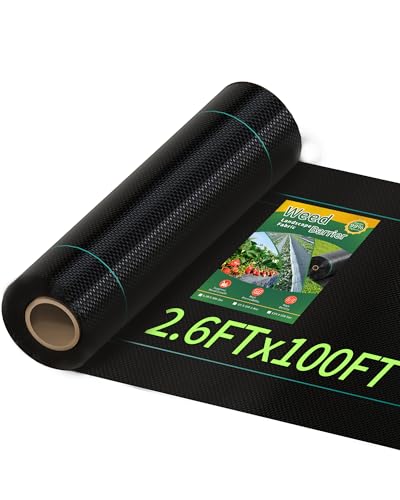
Weed Control: Woven polypropylene physically blocks sunlight to prevent weed seed germination, keeps flower beds, vegetable gardens, and landscaping weed-free without chemical herbicides.
Maintaining Garden Hygiene
Maintain cleanliness in your garden to deter ants. Remove food sources like fallen fruits, vegetables, and other organic debris. Regularly clear away weeds that can shelter ant colonies. Ensure compost piles are contained and turned frequently to prevent attracting ants. Keep pots and tools clean, as dirt and organic matter can invite pests.
Choosing the Right Mulch
Select mulch wisely to discourage ants. Organic mulches, such as wood chips or straw, can provide shelter for ants. Instead, consider using inorganic materials like gravel or landscape fabric where appropriate. These materials do not provide nesting sites and hinder ant movement. Additionally, avoid using mulch close to plant stems to reduce ant pathways into your garden.
Natural Remedies to Control Ants
Managing ants in your vegetable garden can be done naturally using effective remedies. These solutions minimize the use of chemicals while actively deterring ants.
Recommended Products

FOR ORGANIC GARDENING: Diatomaceous earth-based formula is good for organic gardening

✅ OMRI Listed for Organic Use – Certified by the Organic Materials Review Institute, ensuring compliance with strict organic standards for safe gardening and farming.

🌿【𝐅𝐎𝐎𝐃 𝐆𝐑𝐀𝐃𝐄 & 𝐅𝐀𝐌𝐈𝐋𝐘 𝐒𝐀𝐅𝐄】Made with 100% pure diatomaceous earth and peppermint oil. Safe for use around children and pets. Helps control common household pests while leaving a fresh, clean scent for indoor use.
Diatomaceous Earth
Diatomaceous earth (DE) acts as a natural insecticide. This fine powder consists of fossilized aquatic organisms that dehydrate ants.
- Apply DE: Spread a thin layer around your plants and along ant trails.
- Reapply After Rain: Rain can wash away DE, so reapply after rainfall or watering.
- Avoid Wet Conditions: Only use DE in dry conditions for optimal results.
Vinegar and Water Solution
A vinegar and water solution offers a simple yet effective method to repel ants. The acidity disrupts their scent trails and locates food sources.
- Mix Solution: Combine equal parts vinegar and water in a spray bottle.
- Spray Affected Areas: Apply the mixture directly onto ant trails, nests, and around plants.
- Repeat Regularly: Reapply every few days or after rain to maintain effectiveness.
Using these natural remedies can help control ants without harming your vegetable garden.
Chemical Solutions for Ant Infestation
Chemical solutions can effectively manage ant infestations in your vegetable garden when other methods fall short. It’s crucial to select appropriate pesticides to minimize the impact on your plants and ensure safety for your garden.
Recommended Products

Long Lasting - Continues to kill roaches, palmetto bugs, water bugs and silverfish for weeks after application as long as it's kept dry

Long Lasting - Continues to kill roaches, palmetto bugs, water bugs and silverfish for weeks after application as long as it's kept dry

Industrial Grade
Selecting the Right Pesticides
- Identify the Ant Species: Determine which ants are causing the issue. Different species may require specific chemicals for effective control.
- Opt for Targeted Formulas: Choose granular or liquid pesticides designed for ants. Products containing boric acid, fipronil, or imidacloprid often target ant colonies without harming plants.
- Check for Organic Options: Some pesticides are labeled as organic or natural. Look for options that utilize plant-based ingredients for a safer, eco-friendly approach.
- Read Product Labels: Ensure the pesticide is suitable for use around vegetables. Check for any restrictions or pre-harvest intervals.
- Apply on Dry Days: Choose dry days for application. Avoid rainy days to ensure the pesticide remains effective without washing away.
- Wear Protective Gear: Use gloves, masks, and goggles when applying chemicals. Safety should always be your top priority.
- Target Specific Areas: Apply pesticides directly where ants are active, such as near nests or trails, to minimize exposure to non-target organisms.
- Follow Instructions: Adhere strictly to the directions on the product label. This ensures effective use while reducing risks.
- Monitor Plant Health: After application, observe your vegetable plants for any adverse reactions. Adjust your method if any issues arise.
These chemical solutions can effectively reduce ant populations, helping you protect your vegetable garden and maintain your hard work.
Monitoring and Maintenance
Monitoring and maintenance play crucial roles in keeping ants out of your vegetable garden. Regularly checking for ants helps you identify problems before they escalate.
Regular Inspection Methods
- Visual Scans: Walk through your garden regularly, looking for ant trails or nests near plants.
- Soil Examination: Dig around the base of plants to uncover any hidden nests or ant activity.
- Sticky Traps: Place sticky traps near suspected entry points. These traps can capture ants and help you gauge their numbers.
- Morning Checks: Inspect your garden early in the morning when ants are most active. Increased activity levels provide insights into potential infestations.
- Visible Trails: Look for lines of ants marching from nests to plants. These trails indicate active foraging.
- Feeding Damage: Check for signs of sap or leaf damage, which may suggest ants are protecting aphids.
- Nest Formation: Watch for mounds of soil near plant roots or on pathways. These may signal a new ant colony.
- Ant Presence: Notice any sudden increases in ant activity. A quick response can prevent problems from worsening.
Conclusion
Keeping ants out of your vegetable garden can be a challenge but it’s definitely doable with the right approach. By maintaining garden hygiene and using natural remedies you can create an environment that discourages these pesky invaders.
Don’t forget to monitor your garden regularly. Early detection can save you a lot of trouble down the road. Whether you choose natural methods or targeted chemical solutions make sure to stay informed about the best practices for your specific situation.
With a little effort and attention you can enjoy a thriving vegetable garden free from ant interference. Happy gardening!
Frequently Asked Questions
What are the common types of ants that invade vegetable gardens?
Several ant species commonly invade vegetable gardens, including Carpenter Ants, Fire Ants, Leafcutter Ants, and Sugar Ants. Each has distinct behaviors that can affect plants differently.
How do ants affect vegetable gardens?
Ants can disrupt vegetable gardens by farming aphids, which harm plants. However, they also provide benefits like soil aeration and controlling pests. Understanding their role is essential for managing their presence.
What are some effective strategies to prevent ants in gardens?
To prevent ants, maintain garden hygiene by removing food sources and weeds. Opting for inorganic mulch over organic can also deter them. Regular garden cleanliness is key to keeping ants at bay.
Are there natural remedies for controlling ants in gardens?
Yes, natural remedies include using Diatomaceous Earth to dehydrate ants and a vinegar-water solution to disrupt their scent trails. These methods effectively deter ants without harmful chemicals.
What chemical solutions can be used to manage ant infestations?
Using targeted pesticides such as boric acid or fipronil can effectively reduce ant populations. It’s important to apply them on dry days and monitor plant health afterward to ensure safety.
How can I monitor for ant activity in my garden?
Regular inspections are vital. Look for ant trails, examine the soil for nests, and use sticky traps at entry points. Morning checks are best when ants are most active, helping to spot issues early.

My interest in trees started when I first saw the giant sequoias in Yosemite.I was a teenager then, and I remember thinking, “I need to learn more about this.”That moment stuck with me.A few years later, I went on to study forestry at Michigan Tech.
Since graduating, I’ve worked in a mix of hands-on tree care and community education.I’ve spent over ten years helping people understand how to plant, maintain, and protect the trees in their neighborhoods.I don’t see trees as just part of the landscape.They are living things that make a real difference in our daily lives.