Are ants invading your garden bed and causing chaos among your plants? You’re not alone. Many gardeners face this pesky problem, and it can be frustrating to see your hard work threatened by tiny invaders.
This article will guide you through effective strategies to get ants out of your garden bed without harming your plants. You’ll discover simple, natural methods that not only help keep ants at bay but also promote a healthier garden environment. By the end, you’ll feel empowered to reclaim your garden and enjoy a thriving space once again.
Key Takeaways
- Understand Ant Species: Identifying the type of ants in your garden, such as Carpenter Ants, Fire Ants, and Black Garden Ants, is crucial for effective removal strategies.
- Recognize Attractants: Factors like food sources, moisture, and shelter contribute to ant infestations; addressing these elements can help deter ants from invading your garden bed.
- Utilize Natural Remedies: Employ essential oils, vinegar solutions, and diatomaceous earth as safe, natural methods to repel ants without harming your plants.
- Consider Chemical Solutions: For immediate action, ant baits and sprays can effectively control ant populations; however, use them responsibly and according to safety guidelines.
- Implement Preventive Measures: Regular garden maintenance and choosing ant-repelling plants can create an inhospitable environment, significantly reducing the likelihood of future ant infestations.
- Maintain Plant Health: Keeping your plants healthy and minimizing pest attraction reduces the chances of ants entering your garden, promoting a thriving ecosystem.
Understanding the Ant Problem
Ants in your garden bed can harm plants and disrupt soil health. Identifying the species and understanding why they’re attracted to your space aids in developing effective removal strategies.
Common Ant Species in Gardens
- Carpenter Ants: These ants build nests in wood and can damage structures. They often prefer damp or decayed wood.
- Fire Ants: Known for their painful sting, fire ants create large mounds and can aggressively defend their territory.
- Sugar Ants: Attracted to sugar and sweet substances, sugar ants may invade your garden for food sources.
- Black Garden Ants: These ants primarily feed on honeydew from aphids and other insects, often found near affected plants.
- Leafcutter Ants: Recognizable by their leaf-cutting behavior, they can severely damage plants by removing foliage.
- Food Sources: Ants seek out any food supplies, including aphids and decaying organic matter. If there’s an abundance of food, ants will thrive.
- Moisture: Ants prefer areas with consistent moisture. Compacted or overwatered garden beds can attract them.
- Shelter: Ants look for dark, sheltered spots to build nests. Loose soil, mulch, or debris can provide ideal nesting sites.
- Plant Health: Ants are often drawn to unhealthy plants that attract other pests. Healthy garden beds minimize ant attraction.
- Seasonal Changes: Ants invade gardens more during warmer months when activity increases. Spring and summer months see heightened ant populations.
Being aware of these species and attractions helps you address ant issues proactively.
Natural Remedies to Deter Ants
Using natural remedies can effectively deter ants from your garden bed while keeping your plants safe. Here are some proven methods to consider.
Recommended Products

100% Chemical-Free: Made from 8oz of food-grade freshwater diatomaceous earth with no additives or fillers. Safe for use around children, pets and farm animals when used as directed.
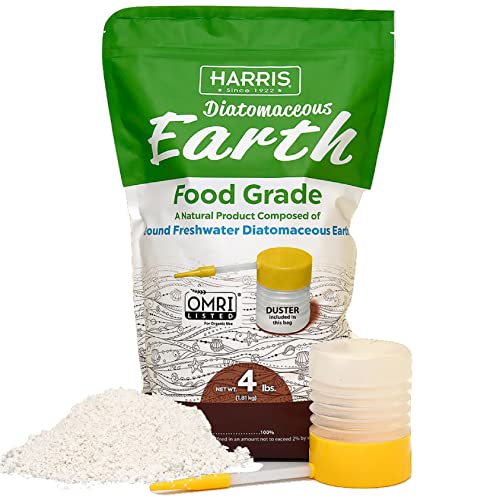
Natural Product - Composed of 4lbs of 100% ground freshwater diatomaceous earth with absolutely no additives or fillers.

✅ OMRI Listed for Organic Use – Certified by the Organic Materials Review Institute, ensuring compliance with strict organic standards for safe gardening and farming.
Essential Oils and Their Effectiveness
Essential oils can repel ants due to their strong scents. Use oils like peppermint, tea tree, or lavender. Mix 10–15 drops of essential oil with 2 cups of water in a spray bottle. Spray this mixture directly onto entry points and ant trails. Repeat the application every few days, especially after rain, for the best results.
Vinegar and Water Solutions
Vinegar offers a simple and effective deterrent against ants. Combine equal parts white vinegar and water in a spray bottle. Spray this solution on ant paths and around garden bed edges. Ants dislike the smell of vinegar and will avoid treated areas. Reapply the solution weekly or after heavy rainfall to maintain effectiveness.
Diatomaceous Earth Usage
Diatomaceous earth (DE) acts as a natural insecticide. Sprinkle food-grade DE around your garden bed, focusing on ant trails and nests. When ants come into contact with the powder, it damages their exoskeletons, leading to dehydration. Use a fine layer and reapply after heavy rain or watering to keep it effective.
Utilize these natural remedies to create an ant-free environment in your garden bed without harming your plants or the surrounding ecosystem.
Chemical Solutions for Ant Control
Chemical solutions can provide effective means for controlling ant populations in your garden bed. You might explore two main options: baits and sprays, each with unique benefits.
Recommended Products

TOTAL COLONY CONTROL: Outdoor ant killer intercepts ant colonies at their source, providing long-lasting pest control to intercept and target ants before they enter your home

ATTRACTS & KILLS: Effectively targets and eliminates common household ants, including sweet-eating varieties, with Terro liquid ant baits indoor they can't resist

✅ Slow-Acting Ant Gel for Complete Colony Elimination: Our strong ant gel bait features an enticing sweet formula that lures ants effectively. With a slow-acting design, worker ants carry the tasty ant bait gel back to the nest and share it with the queen, larvae, and all nest mates, helping you get rid of hidden ants thoroughly instead of only killing visible ones. Works perfectly as a reliable ant killer for most common household ant species.
Ant Baits vs. Sprays
Ant baits attract ants with a food source mixed with a slow-acting poison. The worker ants carry the bait back to their colony, effectively eliminating the problem at its source. Look for baits labeled specifically for your target ant species for best results.
Sprays offer immediate action against visible ant trails or nests. They often contain contact insecticides that kill ants on contact. While sprays provide quick relief, they may not address the entire colony. Use them for immediate infestations, but combine them with baits for lasting control.
Safety Considerations for Garden Use
Always prioritize safety when using chemical solutions in your garden. Choose baits and sprays designed for outdoor use, ensuring they’re safe around plants. Read labels carefully for any specific precautions.
Position baits out of reach of pets and children to minimize risk. For sprays, apply early in the morning or late in the evening when beneficial insects are less active. Avoid spraying on flowering plants to protect pollinators.
Using chemical solutions responsibly can help manage ant problems while keeping your garden healthy.
Preventive Measures to Keep Ants Away
Keeping ants at bay requires consistent effort and strategic planning. Here are some key preventive measures to maintain an ant-free garden bed.
Recommended Products

PEPPERMINT SPRAY FOR BUGS: This natural bug repellent for home is made with peppermint and cedarwood oil for pest control; it works indoor and outdoor by repelling bug, spiders, stink bugs, earwigs, flies, cats and rodents from crawling in your house, basement, attics, and yard; this is why Kate's Home & Garden insect repellent is a great indoor insect & natural pest control spray for insects to keep in your household supply

FOR ORGANIC GARDENING: Diatomaceous earth-based formula is good for organic gardening

🌿【𝐅𝐎𝐎𝐃 𝐆𝐑𝐀𝐃𝐄 & 𝐅𝐀𝐌𝐈𝐋𝐘 𝐒𝐀𝐅𝐄】Made with 100% pure diatomaceous earth and peppermint oil. Safe for use around children and pets. Helps control common household pests while leaving a fresh, clean scent for indoor use.
Regular Garden Maintenance
Maintain a clean garden by regularly removing debris like fallen leaves, dead plants, and any decaying organic matter. Trim plants and shrubs to allow good airflow, reducing moisture buildup, which attracts ants. Mulch your garden properly to control moisture but avoid using materials that provide hiding spots for ants. Inspect your garden regularly for aphids and other pests that can draw ants in, and eliminate them promptly. By staying proactive, you create an inhospitable environment for ants.
Plant Choices That Deter Ants
Select specific plants known to repel ants. Marigolds, for instance, contain compounds that ants dislike, making them an excellent choice for companion planting. Other effective plants include mint, rosemary, and lavender due to their strong scents. Consider incorporating plants with these characteristics around the perimeter of your garden bed to form a natural barrier against ants. Using these plants not only helps deter ants but also enhances the beauty and biodiversity of your garden space.
Conclusion
Getting ants out of your garden bed doesn’t have to be a daunting task. With the right strategies and a bit of persistence, you can reclaim your garden and create a thriving environment for your plants.
By understanding what attracts ants and using natural remedies or safe chemical solutions, you can effectively manage their presence. Regular maintenance and choosing the right plants can also go a long way in keeping these pests at bay.
So take a deep breath and start implementing these tips. Your garden will thank you with healthy plants and a vibrant ecosystem. Happy gardening!
Frequently Asked Questions
What attracts ants to garden beds?
Ants are attracted to garden beds primarily due to food sources like aphids and decaying organic matter, moisture levels in the soil, and suitable shelter such as loose soil and mulch. Additionally, unhealthy plants can draw ants in, as can seasonal changes that increase their activity.
What are the common ant species found in gardens?
Common ant species in gardens include Carpenter Ants, Fire Ants, Sugar Ants, Black Garden Ants, and Leafcutter Ants. Each species has unique behaviors that can potentially harm plants and disrupt garden ecosystems.
What natural remedies can I use to deter ants?
You can effectively deter ants using natural remedies such as essential oils (peppermint, tea tree, and lavender) mixed with water and sprayed on entry points. A vinegar and water solution and diatomaceous earth can also serve as natural deterrents without harming your plants.
How do ant baits work?
Ant baits contain a food source laced with a slow-acting poison. Worker ants take the bait back to their colony, which allows the poison to spread and helps eliminate the entire colony, making it a more effective long-term solution.
Are chemical ant solutions safe for my garden?
Chemical ant solutions can be safe if used responsibly. Choose products designed for outdoor use, read labels carefully, and apply them while ensuring they won’t harm beneficial insects in your garden. Immediate sprays can kill visible ants but may not affect the entire colony.
What preventive measures can I take to keep ants away?
Preventive measures include regular garden maintenance like removing debris, trimming plants for better airflow, and inspecting for pests. Additionally, planting ant-repelling plants such as marigolds, mint, rosemary, and lavender can help create a natural barrier against ants.

My interest in trees started when I first saw the giant sequoias in Yosemite.I was a teenager then, and I remember thinking, “I need to learn more about this.”That moment stuck with me.A few years later, I went on to study forestry at Michigan Tech.
Since graduating, I’ve worked in a mix of hands-on tree care and community education.I’ve spent over ten years helping people understand how to plant, maintain, and protect the trees in their neighborhoods.I don’t see trees as just part of the landscape.They are living things that make a real difference in our daily lives.