Are you tired of struggling with stubborn clay soil in your garden? You’re not alone. Many gardeners face the same challenge, finding it difficult to grow plants in heavy, compacted soil that drains poorly and retains too much moisture.
But don’t worry—there are practical solutions that can transform your garden into a thriving oasis. This article will guide you through simple techniques to improve your clay soil, helping you create a healthier environment for your plants. With a few easy steps, you’ll be on your way to enjoying a flourishing garden in no time.
Key Takeaways
- Understanding Clay Soil: Clay soil is characterized by its dense, sticky texture, poor drainage, and compact nature, making it challenging to cultivate gardens effectively.
- Importance of Improvement: Enhancing clay soil promotes better drainage, nutrient availability, and root development, leading to a healthier garden with resilient plants.
- Effective Techniques: Key methods for fixing clay soil include adding organic amendments like compost and peat moss, implementing drainage solutions such as French drains, and aerating the soil through tilling.
- Selection of Plants: Choosing native plants adapted to clay soil can lead to better growth and resilience, while also contributing organic matter to improve soil quality over time.
- Ongoing Maintenance: Regularly adding organic material, mulching, and testing soil pH can help maintain improved soil health and prevent future issues related to clay soil.
Understanding Clay Soil
Clay soil is defined by its tiny particles, which create a dense, sticky texture. This soil type holds moisture and nutrients but drains poorly, presenting challenges for gardeners.
Recommended Products

DEEP CORE AERATION FOR HEALTHIER LAWNS: This aerator lawn tool penetrates up to 4 inches deep to relieve soil compaction, maximizing airflow, water absorption, and nutrient delivery to roots. Using this lawn core aerator promotes stronger root growth for a consistently greener yard. (Pro Tip: Water dry soil before use and avoid rocking or twisting.)
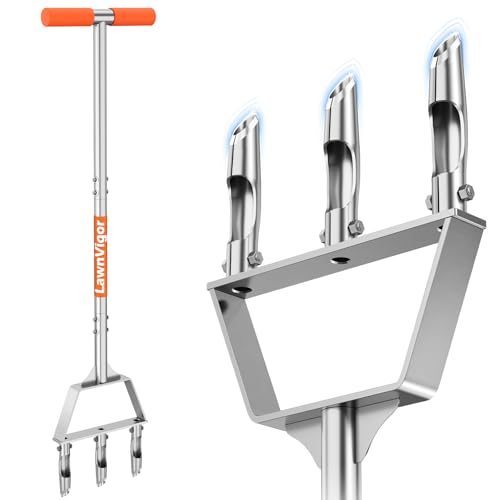
LAWN AERATOR FOR HEALTHIER LAWN GROWTH: Our manual lawn aerators promotes lush, green lawns by delivering essential air, water and nutrients deep into the soils. The lawn air aerator tool ensures healthier grass growth. (Note: Please water dry soil before use and do not rock, twist, or pry the tool side-to-side when it's in the ground.)

Manual Lawn Aerator for Healthier Grass - This manual lawn aerator strengthens turf health by improving soil airflow and nutrient absorption. Its hollow tine design gently extracts compacted soil plugs, allowing air, water, and nutrients to penetrate deeper into grassroots for thicker, greener growth. For best results, water dry areas 24 hours before use, always push & pull the tool vertically without sideways twisting, and avoid prying motions when tines are underground.
Characteristics of Clay Soil
- Texture: Clay soil feels smooth and sticky when wet. When dry, it becomes hard and cracks easily.
- Particle Size: Clay particles are less than 0.002 mm, making them much smaller than sand or silt.
- Color: Typically dark in color, clay soil can vary from brown to reddish hues, depending on its mineral content.
- Plasticity: This soil molds easily when wet, allowing you to shape it, but it can compact, leading to poor aeration.
- Poor Drainage: Water collects rather than drains, potentially drowning plants.
- Compaction: Heavy foot traffic or equipment can compact the soil, limiting root growth and air exchange.
- Nutrient Imbalance: While clay retains nutrients well, it can also bind some nutrients tightly, making them unavailable to plants.
- Erosion Risk: When wet, clay can easily wash away, leading to erosion and loss of soil structure.
Importance of Fixing Clay Soil
Improving clay soil enhances your garden’s overall health. You’ll create an environment that supports vibrant plant growth and increases resilience against pests and diseases.
Benefits for Garden Health
- Enhanced Drainage: Fixing clay soil allows water to flow freely, reducing waterlogging and promoting root health.
- Improved Nutrient Availability: Looser soil provides better access to nutrients for plants, ensuring they get what they need to thrive.
- Increased Beneficial Microbial Activity: Amending clay soil fosters a rich ecosystem of beneficial microbes that support plant growth.
- Reduced Erosion Risks: Healthier soil structure minimizes the likelihood of erosion, helping maintain soil quality over time.
- Stronger Root Development: Improving soil texture encourages deeper root penetration, enabling plants to absorb water and nutrients more efficiently.
- Greater Plant Variety: Soil improvement allows you to cultivate a wider range of plants, as various species thrive in well-drained soil conditions.
- Enhanced Resilience to Stress: Healthy garden soil strengthens plants, making them less susceptible to environmental stressors, such as drought or heavy rainfall.
- Accelerated Growth Rates: With better nutrition and drainage, plants grow faster, producing lush foliage and vibrant blooms.
Techniques to Fix Clay Soil
Improving clay soil involves several techniques that enhance its structure and drainage. You can create a healthier garden environment by applying these methods.
Recommended Products

Enhances Soil Structure: Loosens heavy clay soils, improving aeration, drainage, and root penetration.

FOR USE ON: Use Garden Gypsum to help loosen heavy clay soil for better plant root growth. Also helps cure turf burns from Winter ice-milter salts and pet spotting

Amendments to Improve Structure
Adding organic matter makes a significant difference in clay soil. Consider the following amendments:
- Compost: Mix in 2-3 inches of compost to improve drainage and nutrient availability.
- Peat Moss: Incorporate peat moss at a ratio of 1:1 with clay soil for better moisture retention without compaction.
- Gypsum: Use gypsum at 40 pounds per 1,000 square feet to help clay soil break up and improve its texture.
These amendments transform the texture, allowing roots to penetrate more easily.
Drainage Solutions
Implementing effective drainage solutions alleviates waterlogging issues. Here are some strategies:
- French Drains: Install French drains to redirect excess water away from plant roots.
- Rain Gardens: Construct rain gardens in low-lying areas to absorb rainy season runoff.
- Raised Beds: Create raised beds to elevate plants above waterlogged soil, improving root health.
These solutions enhance the overall water management in your garden.
Tilling and Aeration Methods
Aerating and tilling clay soil allows better airflow and root establishment. Try these methods:
- Garden Fork: Use a garden fork to manually aerate the soil by puncturing holes 6-8 inches deep.
- Rototiller: Employ a rototiller for larger areas, breaking up compacted soil while mixing in amendments.
- Soil Aeration Tool: Consider using a specialized aeration tool, which creates spaces for air and water to infiltrate more effectively.
By tilling and aerating, you reduce compaction and promote healthy root growth in your garden.
Preventative Measures for Future Issues
Preventing future issues with clay soil requires ongoing care and strategic choices in your gardening practices. A combination of plant selection and regular soil maintenance effectively keeps your garden soil healthy.
Choosing the Right Plants
Select plants that thrive in clay soil conditions. Native plants generally adapt better due to their natural resilience. Consider planting perennials like coneflowers and black-eyed Susans, which flourish in compacted soil. Additionally, trees such as oak and sweetgum suit clay gardens well. When choosing shrubs, opt for willows or red-twig dogwoods, as they tolerate wet areas. These plants not only survive but contribute organic matter when they drop leaves, enriching the soil over time.
Regular Soil Maintenance
Maintain your soil by incorporating organic material regularly. Add compost or well-rotted manure at least once a year to boost nutrients and improve soil structure. Practice mulching to help retain moisture and prevent compaction. Aim for a 2-3 inch layer of mulch around your plants, taking care not to touch their stems. Implement seasonal tilling to aerate the soil without disrupting plant roots. Toward the end of the growing season, consider testing soil pH and nutrient levels. This will guide any needed adjustments early next spring, ensuring your garden remains healthy and vibrant.
Conclusion
Improving clay soil might seem daunting but with the right approach you can transform your garden into a thriving oasis. By incorporating organic matter and using effective drainage solutions you’ll create a healthier environment for your plants.
Don’t forget to choose the right plants that can thrive in clay conditions and maintain your soil with regular care. With a little patience and effort your garden can flourish despite the challenges of clay soil. Enjoy the journey and watch your garden come to life!
Frequently Asked Questions
What is clay soil, and why is it problematic for gardens?
Clay soil consists of tiny particles that compact tightly, creating a dense and sticky texture. Its poor drainage and compaction hinder plant growth by limiting root development and nutrient availability. As a result, plants can suffer from waterlogging or drought stress, making it challenging to maintain a healthy garden.
How can I improve my clay soil?
To improve clay soil, consider adding organic matter like compost or peat moss to enhance structure and drainage. Implement drainage solutions such as French drains or raised beds, and use tilling or aeration methods to reduce compaction. These techniques promote healthier plants and better soil quality.
What are the benefits of improving clay soil?
Improving clay soil enhances drainage, increases nutrient availability, and boosts microbial activity. It allows for stronger root development, promotes diverse plant varieties, and improves resilience to environmental stresses. These benefits lead to a more vibrant and thriving garden overall.
Which plants thrive in clay soil?
Plants that tolerate clay soil include native perennials, certain trees, and shrubs adapted to compact conditions. These plants can manage clay’s challenges while contributing organic matter back to the soil, enhancing overall health and fertility.
How often should I maintain my clay soil?
Regular maintenance is critical for clay soil health. Incorporate organic material like compost annually, practice mulching, and perform seasonal tilling to keep the soil aerated. Additionally, consider soil testing at the end of the growing season to guide improvements for the next year.

I’ve always been drawn to trees.As a kid, I spent most of my free time outside, climbing, exploring, and trying to figure out the names of the trees around me.That early curiosity eventually led me to study arboriculture and horticulture at Michigan State.Later, I completed a degree in forestry at the University of Michigan.
I’ve been working in tree care and education ever since.These days, I enjoy helping people learn more about the trees in their own backyards.How they grow, how to care for them, and why they matter.You don’t need to be an expert to appreciate trees.A little curiosity goes a long way.