Have you ever looked at your garden and wondered why your plants aren’t thriving despite all the rain? Overly wet soil can suffocate roots and lead to a host of problems. If you’re facing waterlogged patches that seem to drown your garden’s potential, you’re not alone.
Key Takeaways
- Soil Moisture Management: Understanding soil moisture is essential for plant health, as it affects root oxygenation and nutrient access.
- Signs of Overwatering: Key indicators of overly moist soil include water puddles, mold growth, saturated soil, and yellowing leaves.
- Natural Drying Techniques: Utilize sun exposure, enhanced airflow, mulching, and organic amendments like compost and peat moss to effectively dry out soil.
- Essential Tools: Tools such as garden forks, shovels, rakes, trowels, and mulching equipment are crucial for aerating, moving soil, and applying amendments efficiently.
- Future Prevention: Improving soil structure through organic matter, mulching, raised beds, and careful plant selection can help prevent future moisture problems.
- Plant Considerations: Selecting drought-tolerant and deep-rooting plants, along with grouping by water needs, promotes a healthier garden resistant to excess moisture issues.
Understanding Soil Moisture
Soil moisture plays a critical role in plant health. Knowing how to manage it ensures your garden thrives.
Importance of Soil Drainage
Good soil drainage prevents water accumulation, allowing roots to access oxygen and nutrients. Soil that drains well improves plant resilience to drought and disease. Aim for soil types rich in organic matter, such as loamy soil, which enhances drainage while retaining essential moisture. Consider adding sand or perlite to clay-heavy soils to improve texture and aeration.
Signs of Overly Moist Soil
You can identify overly moist soil through several indicators:
- Water Puddles: Standing water on the surface suggests poor drainage.
- Mold Growth: Fungal growth on soil or plants indicates excess moisture.
- Saturated Soil: Soil that feels mushy or sticky when touched reflects high water content.
- Leaf Yellowing: Yellowing leaves or wilting plants often signal root suffocation from excess moisture.
By recognizing these signs, you can take action to dry out your garden soil effectively.
Methods to Dry Out Soil in Garden
You can effectively dry out your garden soil using various methods. Each approach targets specific conditions, allowing plants to thrive in healthier environments.
Recommended Products
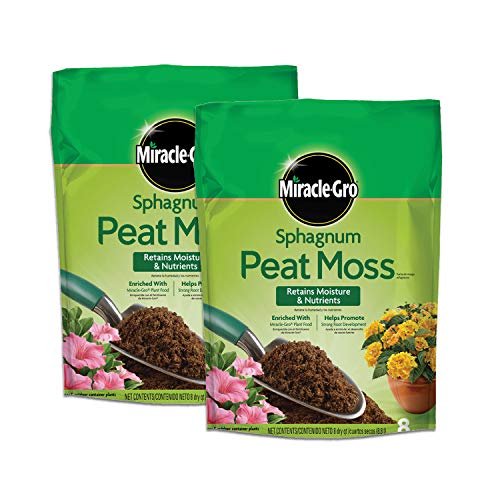
MOISTURE RETENTION: Miracle-Gro Sphagnum Peat Moss for plants retains moisture and nutrients, and helps promote strong root development

【Moisture retention】Peat moss can absorb and retain water very well. This makes a great place for seed starting and as the mixes with other growing materials
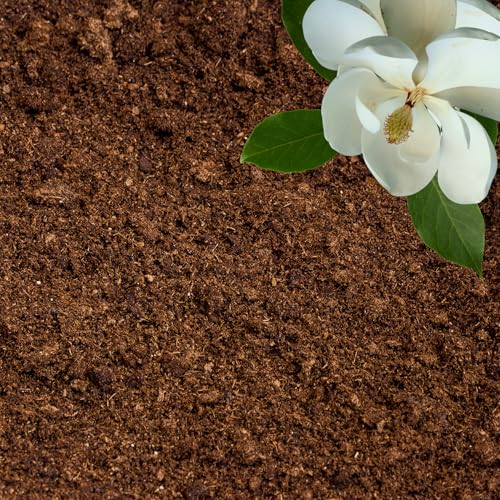
🌱 Naturally Light & Fluffy – Ready to Use Straight from the Bag No soaking, no waiting! Our loose sphagnum peat moss comes pre-fluffed for easy mixing. It instantly improves drainage, boosts aeration, and retains moisture—perfect for strong, healthy root development.
Natural Drying Techniques
- Increase Sun Exposure: Trim back overhanging branches and remove nearby plants that shade your garden. More sunlight helps evaporate moisture quickly.
- Improve Airflow: Space out plants to enhance circulation. Better airflow reduces humidity levels around the soil, promoting faster drying.
- Mulching: Apply a layer of dry mulch. Materials like straw or wood chips absorb moisture and prevent additional water from entering the soil.
- Compost: Incorporating well-aged compost into wet soil improves drainage. Compost enhances soil structure, allowing water to flow through more easily.
- Peat Moss: Mix peat moss into the soil to absorb excess moisture. It’s particularly effective in heavy clay soils, where water tends to accumulate.
- Sand: Blending coarse sand into soil increases aeration. This mixture encourages better drainage and reduces moisture retention in compact soils.
Implement these methods consistently to effectively manage soil moisture levels. Your plants will appreciate the effort, leading to healthier growth and stronger resistance to pests and diseases.
Tools and Equipment for Drying Soil
Utilizing the right tools can substantially speed up the process of drying out your garden soil. Here’s a breakdown of essential tools you can use.
Recommended Products

Kindly NOTE: This soil tester can not be applied to test pH value of any other liquid. If the soil is too dry the indicator will not move, and water it before testing.

Accurate Soil Moisture Detection: The XLUX Soil Moisture Meter can tell you if the soil deep inside your pot or garden is dry, moist or wet; whereas your eyes and fingers can only determine the moisture level of the soil surface. The probe is 5.5 inches (14 cm) longer than regular styles, allowing it to measure the soil moisture at the bottom of larger and deeper flower pots.
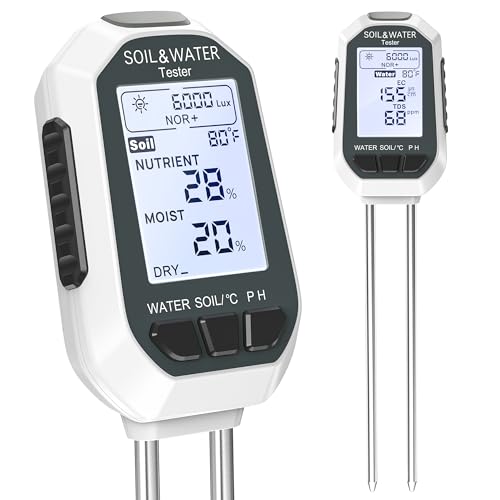
【7-in-1 Features】This is a 7-in-1 multi-function soil tester. Our soil tester quickly measures soil moisture, pH, temperature and light intensity, and its fertility function helps you take better care of your plants. With this device you can measure the soil moisture, pH, temperature and light intensity for your plants and with the EC and TDS functions you will know when it is time to water the soil.
Recommended Garden Tools
- Garden Fork: This tool aerates the soil, allowing air and moisture to escape. Use it to break up compacted soil.
- Shovel: A sturdy shovel is necessary for removing excess soil or digging trenches to redirect water.
- Rake: A rake levels the soil surface and helps distribute dry mulch evenly across your garden.
- Trowel: Ideal for smaller areas, a trowel helps you loosen compacted soil and mix in amendments.
- Mulching Equipment: A wheelbarrow or garden cart assists in transporting mulch or compost to your garden efficiently.
- Garden Fork: Insert the forks into the soil at an angle and twist to break up compacted areas. Pull the fork out and repeat every few inches for thorough aeration.
- Shovel: When using a shovel, angle the blade to slice through soil. For trenches, dig narrow channels to facilitate water flow away from plants.
- Rake: After applying dry mulch, use a rake to spread it evenly across the garden. This promotes better moisture absorption and helps protect soil from erosion.
- Trowel: Use the trowel to dig small holes for adding compost or amendments. Work it back and forth to mix the material into the topsoil.
- Mulching Equipment: Load your mulch or compost into the wheelbarrow. Transport it to your garden, making sure to spread it out evenly, enhancing drainage and reducing soil moisture.
Implement these tools and techniques effectively, and you’ll notice significant improvements in soil conditions, ultimately benefiting your plants’ health.
Preventing Future Soil Moisture Issues
Maintaining optimal soil moisture levels prevents waterlogging in your garden. Focusing on soil structure and plant selection helps manage moisture effectively.
Recommended Products

100% Organic & Peat-Free: Our compost mix is 100% organic & peat-free. Peat is one of Mother Nature’s most important stores of carbon. Instead of imported peat, the base of our soils is made from upcycled plant matter or wood fines from the United States!
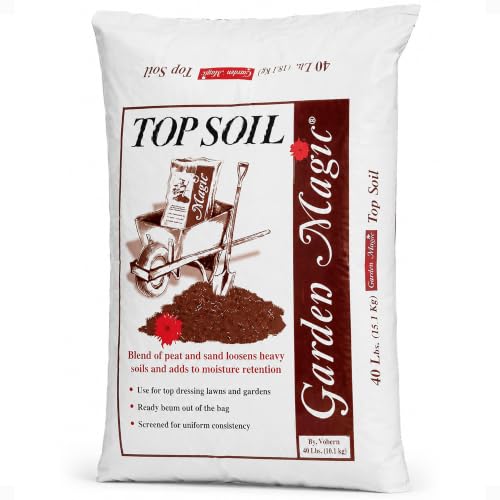
Ready-to-Use for All Planting Needs: This general-purpose potting soil is ready to use out of the bag, perfect for both indoor and outdoor planting without any extra prep
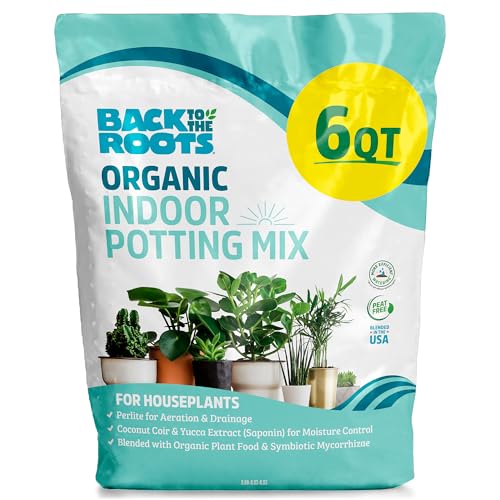
Includes 6qt of Back to the Roots Indoor Potting Mix. Our Potting Mix contains organic yucca extract that aids in retaining moisture in the soil which keeps your indoor plants happy and healthy
Improving Soil Structure
Improving soil structure creates good drainage and prevents moisture retention. You can achieve this by:
- Incorporating Organic Matter: Add compost, well-rotted manure, or leaf mold to improve soil texture and aeration. These materials enhance drainage and increase water-holding capacity without waterlogging.
- Using Mulch: Apply 2 to 3 inches of organic mulch around plants. Mulch helps regulate soil temperature, retains moisture during droughts, and prevents excess moisture evaporation during wet periods.
- Tilling: Regularly tilling the soil increases aeration and enhances drainage. Avoid over-tilling, as this can damage soil structure.
- Creating Raised Beds: Build raised garden beds to improve drainage in areas prone to waterlogging. Raised beds allow excess water to flow away easily, keeping roots drier.
Plant Selection for Well-Drained Soil
Choosing the right plants for well-drained soil keeps your garden healthy and thriving. Consider these tips:
- Select Drought-Tolerant Plants: Opt for native or drought-resistant plants that thrive in drier conditions. Examples include lavender, sedum, and daylilies.
- Group Plants by Water Needs: Group plants with similar moisture requirements. This strategy allows you to water efficiently and reduces the risk of overwatering more sensitive plants.
- Consider Deep-Rooting Plants: Choose plants with deep roots, like trees and certain perennial flowers. These plants access moisture deeper in the soil and improve overall soil structure.
- Rotate Crops: Implement crop rotation to prevent soil depletion and promote a balanced ecosystem. Rotating plant families reduces the risk of pest and disease buildup.
By actively improving soil structure and selecting appropriate plants, you limit future moisture issues and create a thriving garden environment.
Conclusion
Drying out your garden soil doesn’t have to be a daunting task. With the right techniques and tools you can create a healthier environment for your plants to thrive. By focusing on improving drainage and aeration you’ll not only tackle existing moisture issues but also prevent them in the future.
Remember to choose the right plants for your garden and to keep an eye on soil conditions. Making small adjustments like adding organic matter and using mulch can make a big difference. Embrace these practices and watch your garden flourish with vibrant and resilient plants. Happy gardening!
Frequently Asked Questions
What causes waterlogged soil in gardens?
Waterlogged soil occurs when there is excessive moisture that saturates the ground, usually due to heavy rainfall, poor drainage, or compacted soil. This condition can suffocate plant roots and hinder their growth.
How can I identify waterlogged soil?
Signs of waterlogged soil include standing water, mold growth, yellowing leaves, and the soil feels unusually saturated and spongy. Identifying these symptoms early helps in addressing moisture issues effectively.
What are effective methods to dry out garden soil?
To dry out garden soil, increase sunlight by trimming overhanging branches, enhance airflow by spacing plants, and apply dry mulch to absorb moisture. You can also incorporate compost and coarse sand to improve drainage.
What soil types are best for drainage?
Loamy soil, rich in organic matter, is ideal for good drainage. If dealing with clay-heavy soils, mixing in sand or perlite improves soil texture and aeration, promoting better drainage.
How can I prevent future waterlogging in my garden?
To prevent future waterlogging, maintain optimal soil moisture, incorporate organic matter, use mulch, and create raised beds. Choosing drought-tolerant plants and grouping them by water needs also helps manage moisture levels.

My interest in trees started when I first saw the giant sequoias in Yosemite.I was a teenager then, and I remember thinking, “I need to learn more about this.”That moment stuck with me.A few years later, I went on to study forestry at Michigan Tech.
Since graduating, I’ve worked in a mix of hands-on tree care and community education.I’ve spent over ten years helping people understand how to plant, maintain, and protect the trees in their neighborhoods.I don’t see trees as just part of the landscape.They are living things that make a real difference in our daily lives.