Have you ever struggled with poor soil in your garden? Maybe your plants just aren’t thriving the way you’d hoped. Double digging could be the answer you need to create a healthier environment for your flowers and veggies.
Key Takeaways
- Understanding Double Digging: This technique involves removing and aerating two layers of soil, enhancing drainage, nutrient access, and root growth for better plant health.
- Steps to Double Dig: Begin by choosing the right location, clearing debris, removing the top layer, loosening the subsoil, incorporating organic amendments, and leveling the surface for optimal growing conditions.
- Essential Tools: Gather key gardening tools like a spade, garden fork, rake, and wheelbarrow to facilitate the double digging process efficiently.
- Benefits of Double Digging: Improves soil aeration, enhances drainage, increases nutrient availability, and promotes earthworm activity, leading to healthier and more thriving plants.
- Common Mistakes to Avoid: Don’t neglect soil moisture, skip organic amendments, use inappropriate tools, or overlook leveling the bed to ensure a successful gardening experience.
What Is Double Digging?
Double digging is a gardening technique aimed at improving soil structure and fertility. It involves removing two layers of soil and aerating them, which enhances drainage, nutrient access, and root growth. This method works well for gardens with compacted or poor-quality soil.
Steps for Double Digging
- Select Your Area: Choose a garden bed that requires soil improvement.
- Gather Tools: Use a spade, garden fork, and pruners. A wheelbarrow for soil removal may also help.
- Remove the Top Layer: Dig and remove the top 12 inches of soil. Place it to the side.
- Loosen the Subsoil: Use a garden fork to break up the next 12 inches of soil. This step aerates the soil and improves its texture.
- Mix in Amendments: Incorporate organic matter, like compost or aged manure, into the loosened subsoil.
- Replace the Top Layer: Put the topsoil back on and mix it with the amendments.
- Level the Bed: Rake the surface for a smooth finish.
- Improved Soil Aeration: Creates better air flow, helping root systems thrive.
- Enhanced Drainage: Reduces waterlogging and helps roots absorb moisture more effectively.
- Increased Nutrient Availability: Allows better access to nutrients for plants.
- Greater Earthworm Activity: Promotes beneficial organisms that improve soil health.
Double digging takes time and effort, but it transforms the gardening experience. This technique sets the foundation for healthy plants and a thriving garden.
Benefits Of Double Digging
Double digging offers multiple benefits that can enhance your gardening experience. By loosening soil layers and improving conditions, you create a better environment for your plants.
Improved Soil Aeration
Improved soil aeration ensures that air circulates within the soil, promoting healthy root development. When you double dig, you break up compacted soil, allowing roots to expand freely. This air exchange supports beneficial microorganisms, which thrive on oxygen and help decompose organic matter. Healthier soil leads to stronger plants that can better withstand stress.
Enhanced Drainage
Enhanced drainage prevents water from pooling in the garden bed, reducing the risk of root rot and plant disease. Double digging creates a loose, well-structured environment that allows excess water to flow away easily. This process ensures that rainfall and irrigation reach deep-rooted plants, providing consistent moisture while avoiding waterlogged conditions. Healthy drainage systems contribute to robust growth and improved yields.
Tools Needed For Double Digging
Gathering the right tools simplifies the double digging process and enhances efficiency. Here’s what you’ll need:
Recommended Products

GARDENING ESSENTIAL: Heavy duty, ergonomic hand cultivator with sharp tines ideal for a variety of gardening tasks like digging in tough soil, aerating soil, removing weeds, and more to encourage overall plant health and appearance

COMPLETE GARDEN TOOL KIT FOR EVERY TASK:This 6-piece gardening tool set includes a a garden trowel, 5-tine rake, 9-tine leaf rake, double hoe with 3 prongs, cultivator, and crack & crevice weeder. Ideal for digging, planting, weeding, loosening soil, transplanting flowers, and maintaining raised beds, vegetable gardens, flower beds, and backyard landscapes.
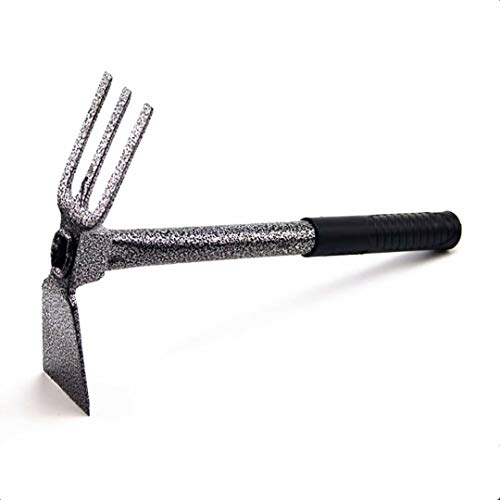
🌷【INLAY PROCESS:】This weeding hoe has double heads are formed in one piece,and the inlay process is combined with the steel handle,which is not easy to break and is more robust.
Essential Tools
- Garden Fork: A sturdy garden fork helps break up the soil and aerate it effectively. Look for a well-constructed option that can penetrate compacted layers.
- Spade or Shovel: Use a spade for lifting and turning over the top layer of soil. A flat-edged shovel can be handy for removing subsoil with minimal effort.
- Rake: A rake smooths the surface after you’ve completed digging. Choose one with sturdy tines for effective leveling.
- Hoe: A hoe assists in loosening soil and mixing in organic amendments, enhancing the nutrient profile.
- Wheelbarrow: A wheelbarrow transports excess soil or organic material, making the process more efficient.
- Pickaxe: If you encounter particularly hard or rocky soil, a pickaxe can help break it up more easily.
- Garden Trowel: A trowel allows for precision when working in tight spots or small areas of the bed.
- Soil Tester: Using a soil tester can help you understand soil composition and pH, guiding you on necessary amendments.
- Garden Gloves: Gloves protect your hands from blisters and soil irritation, providing comfort during the digging process.
- Kneeling Pad: A kneeling pad offers comfort when working close to the ground and can reduce strain on your knees.
Collect these tools before starting your double digging project to ensure a smooth and effective gardening experience.
Steps To Double Dig A Garden Bed
Double digging transforms your garden bed, creating a healthier environment for plants. Follow these steps to ensure success.
Preparing The Area
- Choose The Location: Select a sunny spot with well-draining soil. Avoid areas with shade from trees or buildings.
- Clear Debris: Remove rocks, weeds, and any foreign materials from the bed. A clean area prevents interference during digging.
- Mark The Dimensions: Use stakes or string to outline the size of your bed. This helps maintain an organized layout.
- Gather Tools: Ensure you have all necessary tools nearby. Tools include a garden fork, spade, rake, and hoe.
- Remove The Top Layer: Use a spade to cut about 6-12 inches deep. Place this soil aside; you’ll need it later.
- Loosen The Subsoil: Use a garden fork to aerate the subsoil below the top layer. Lift and break up the soil to a depth of around 12 inches. This improves drainage and root access.
- Mix In Organic Amendments: Add compost or other organic material to the loosened soil. Incorporating amendments enriches the soil and enhances fertility.
- Replace The Top Layer: Put the top layer of soil back onto the bed. Spread it evenly while mixing it slightly with the amended subsoil below.
- Level The Surface: Use a rake to smooth the surface. A level bed allows for even water distribution and makes planting easier.
By following these steps, you can create a robust garden bed that promotes healthy plant growth.
Common Mistakes To Avoid
Double digging can significantly enhance your garden, but certain mistakes can undermine your efforts. Avoid these common pitfalls for the best results.
Not Checking Soil Moisture
Ensure your soil isn’t too wet or too dry before you start. Wet soil can lead to compaction, while dry soil makes it hard to loosen. Use a soil tester to find the right moisture level.
Skipping Organic Amendments
Don’t overlook adding organic matter like compost or aged manure. These amendments improve soil structure, create a nutrient-rich environment, and support healthy microbial life.
Neglecting Proper Tools
Using the wrong tools can hamper your progress. Always gather essential tools, including a garden fork, spade, and rake, before starting. This saves time and effort later.
Poor Planning
Avoid haphazard digging. Plan the dimensions and layout of your garden bed first. Mark out the area clearly to streamline the process and ensure you work efficiently.
Ignoring the Subsoil
Many gardeners focus only on the top layer. Remember to loosen the subsoil for better drainage and root penetration. This step is crucial for long-term plant health.
Forcing Soil Separation
Don’t force the soil apart with excessive force. Use gentle pressure to break up compacted sections. This preserves soil structure and prevents damage to the soil’s ecosystem.
Overlooking Leveling
After you replace the top layer, don’t forget to level the surface. An uneven bed can lead to water pooling in certain areas, which harms plants. Check the level with a garden rake.
Skipping the Cleanup
Once you finish double digging, don’t leave debris in the garden bed. Clean up loose rocks, roots, and other materials. A clean workspace encourages healthy growth and prevents pest issues.
By avoiding these mistakes, you set the stage for a thriving garden bed, fostering healthier plants and better yields.
Conclusion
Double digging is a fantastic way to revitalize your garden bed and create a thriving environment for your plants. By putting in the effort to aerate and enrich your soil, you’re setting the stage for healthier growth and better yields.
Remember to gather your tools and follow the steps carefully to make the process smoother. Avoiding common mistakes will help you maximize the benefits of this technique.
With patience and dedication, you’ll soon see the fruits of your labor as your garden flourishes. Happy gardening!
Frequently Asked Questions
What is double digging in gardening?
Double digging is a gardening technique that involves removing and aerating two layers of soil to improve growing conditions. This method enhances drainage, increases nutrient access, and fosters healthier root growth, particularly in compacted or poor-quality soil, helping plants thrive.
Why should I use double digging?
Double digging improves several aspects of soil health, such as aeration, drainage, and nutrient availability. It encourages beneficial earthworm activity and supports root development, ultimately leading to stronger plants and better yields in your garden.
What tools do I need for double digging?
Essential tools for double digging include a garden fork, spade, rake, hoe, wheelbarrow, pickaxe, garden trowel, soil tester, gloves, and a kneeling pad. Having these items collected beforehand will streamline the process and enhance your gardening experience.
How do I double dig a garden bed?
To double dig a garden bed, follow these steps: choose a sunny, well-draining location; clear debris; mark dimensions; remove the top layer of soil; loosen the subsoil; mix in organic amendments; replace the top layer; and level the surface for optimal plant growth.
What common mistakes should I avoid when double digging?
Common mistakes include not checking soil moisture, skipping organic amendments, neglecting proper tools, failing to plan, ignoring the subsoil, forcing soil separation, overlooking leveling, and skipping cleanup. Avoiding these pitfalls can maximize the benefits of double digging for your garden.

My interest in trees started when I first saw the giant sequoias in Yosemite.I was a teenager then, and I remember thinking, “I need to learn more about this.”That moment stuck with me.A few years later, I went on to study forestry at Michigan Tech.
Since graduating, I’ve worked in a mix of hands-on tree care and community education.I’ve spent over ten years helping people understand how to plant, maintain, and protect the trees in their neighborhoods.I don’t see trees as just part of the landscape.They are living things that make a real difference in our daily lives.