Have you ever dreamed of creating a peaceful oasis right in your backyard? A water garden can transform your outdoor space into a serene retreat filled with the soothing sounds of flowing water and vibrant plants.
Key Takeaways
- Understanding Water Gardens: Water gardens create serene outdoor spaces by integrating ponds, streams, and waterfalls with aquatic plants, enhancing tranquility and biodiversity.
- Benefits: Incorporating a water garden offers aesthetic appeal, relaxation through soothing water sounds, a habitat for diverse wildlife, and natural temperature regulation around your home.
- Planning: Assess your outdoor space carefully, considering sunlight, proximity to structures, and natural slopes to determine the ideal location and dimensions for your water garden.
- Zone Design: Organize distinct zones (aquatic, marginal, wetland, and dry) to promote biodiversity and visual interest, ensuring each zone supports different types of plant life.
- Plant Selection: Choose native plants, and incorporate various heights and hardscape elements to create an inviting and visually cohesive garden environment.
- Maintenance: Regularly monitor water quality, remove debris, care for pond equipment, and winterize features to maintain a healthy and beautiful water garden throughout the seasons.
Understanding Water Gardens
Water gardens blend beauty and tranquility, offering a serene environment for relaxation. They feature water elements like ponds or streams, alongside a variety of aquatic plants.
What Is a Water Garden?
A water garden is a designed landscape that incorporates water features and plant life. Typically, it includes:
- Ponds: Main bodies of water that house fish, plants, and wildlife.
- Streams: Flowing water that creates movement and sound.
- Waterfalls: Cascading water that adds visual appeal and soothing sounds.
These areas function as ecosystems, providing habitats for various organisms and enhancing biodiversity.
Benefits of Having a Water Garden
Creating a water garden presents numerous advantages:
- Aesthetic Appeal: A water garden enhances the visual aspect of your yard, attracting admiration from visitors.
- Relaxation: The sound of flowing water has calming effects, making it an ideal retreat from daily life.
- Wildlife Habitat: Water gardens support diverse species, including fish, frogs, and birds, contributing to local ecology.
- Temperature Regulation: Water features can help lower temperatures around your home, creating a more comfortable outdoor space.
Incorporating a water garden fosters not only beauty but also a peaceful atmosphere that invites you to unwind and enjoy nature.
Planning Your Water Garden
Planning your water garden involves careful consideration of various factors that affect both aesthetics and functionality. Start by evaluating your space and selecting an ideal location.
Assessing Your Space
Assess your outdoor area to identify suitable dimensions for your water garden. Measure the available space, noting sun exposure and proximity to trees or structures that may influence water quality. Look for existing slopes, as these natural gradients can aid in creating waterfalls or streams. Identify potential hazards, such as overhanging branches that may drop debris into the water. Evaluate the soil type, as well; clay soil retains water better, while sandy soil may require additional waterproofing measures.
Choosing the Right Location
Choose a location that maximizes visual appeal and ecological balance. Ensure your site receives at least six hours of sunlight daily to support aquatic plants. Position the water garden within view of outdoor living areas, like patios or decks, so you can enjoy the tranquil scenery and sounds. Keep it away from unwanted noise sources such as busy streets or neighbor’s air conditioning units. Consider accessibility for maintenance tasks, making sure you can reach all areas easily. This planning sets the foundation for a beautiful and functional water garden.
Designing the Layout
Designing your water garden involves thoughtful planning and creativity. Establishing a harmonious layout enhances both beauty and functionality.
Recommended Products
IMPORTANT: DO NOT ORDER IF ITS TOO HOT!! Please note that during times of extreme weather, live plants will suffer due to extreme temperatures. During winter, do not order live plants when temperatures are expected to go below 20F at the lowest point during the day. During summer, avoid ordering plants when temperatures are above 100F. Additionally, these plants will get damaged if your region experiences strong cold winds.

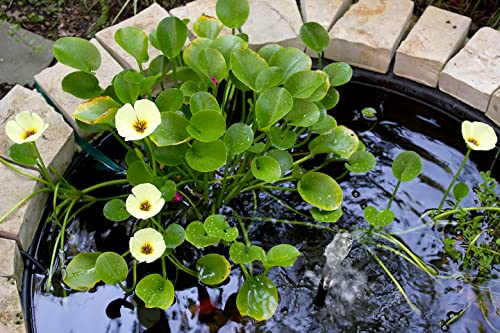
Vibrant Pond Plants for Water Features. Grow beautiful water hyacinth with these 200 premium seeds. Ideal for enhancing koi ponds, backyard water gardens, and small natural ponds with lush aquatic plants and floating greenery.

✅ FLOATING BEAUTY! Most popular floating pond plant; perfect for beginners! Glossy, succulent green leaves float beautifully on the water’s surface! Experience sporadic bursts of gorgeous lilac blooms!
Creating Zones in Your Water Garden
Creating distinct zones within your water garden adds depth and interest. Consider the following zones:
- Aquatic Zone: This area features submerged or floating plants, such as water lilies and duckweed. These plants thrive in water and provide habitat for aquatic life.
- Marginal Zone: This zone lies around the pond’s edge. Plant grasses and perennials like cattails or iris here. These plants absorb excess water and offer shelter for wildlife.
- Wetland Zone: Introduce moisture-loving plants, such as ferns and marsh marigolds, in an area that retains water. This creates a thriving ecosystem.
- Dry Zone: Place drought-resistant plants, like ornamental grasses or flowering shrubs, further away from the water. This zone enhances the visual transition between the garden and the surrounding landscape.
Organizing these zones helps create balance and encourages biodiversity, offering homes for various species.
Selecting Plants and Features
Selecting the right plants and features sets the mood and character of your water garden. Follow these steps:
- Choose Native Plants: Opt for native species that thrive in your area’s climate. Their hardiness supports local wildlife and requires less maintenance.
- Incorporate Different Heights: Mix tall, medium, and low plants to create layers. Tall plants like cattails add vertical interest, while shorter varieties like creeping jenny soften edges.
- Add Hardscape Elements: Consider integrating rocks, stones, or wood to define the space. These features offer natural aesthetics and create habitats for insects.
- Plan Water Features: Include ponds, waterfalls, or streams to introduce movement and sound. Waterfalls enhance oxygen levels and create a soothing ambiance.
By thoughtfully selecting plants and features, you build a cohesive aesthetic that promotes tranquility and enhances the ecological benefits of your water garden.
Choosing Water Features
Selecting the right water features enhances the aesthetic and sensory experience of your water garden. These elements create inviting atmospheres while contributing to the overall ecological health of the garden.
Recommended Products

⛲[High-quality 304 Stainless Steel ] Pond Waterfall box Adopts 304 stainless steel is carefully crafted to be corrosion-resistant and oxidation-resistant to ensure that it doesn't rust or deform in long-term use, and it is fearless of erosion by wind and rain and lasts for a long time. Its strong and durable characteristics, so that the waterfall bucket can work in the outdoor in a durable and stable, enhance the overall decorative effect.

DURABLE QUALITY MATERIALS - Our pond waterfall spillway features 304 stainless steel, ensuring excellent corrosion resistance. This pond waterfall kit stands resilient against the elements, offering a sturdy and weatherproof design for enduring beauty.

HIGH-QUALITY & DURABLE MATERIAL - Built from 304 stainless steel, this pond waterfall spillway resists corrosion, rust, and weather damage. Paired with durable corrugated tubing, this pond waterfall kit ensures long-lasting performance for your outdoor space.
Types of Water Features
- Ponds
Ponds serve as the centerpiece of many water gardens. You can build a small pond for fish and plants or a larger pond to create a natural ecosystem. Consider adding a liner to contain water and maintaining depth for fish during winter months. - Waterfalls
Waterfalls add dynamic beauty and soothing sounds to your garden. These features can range from cascading streams flowing into ponds to small, decorative waterfalls. Ensure proper water circulation to keep the feature functional. - Fountains
Fountains come in various designs, providing visual interest and calming sounds. Floor-standing fountains offer a dramatic effect, while wall-mounted types save space. Choose a style that complements your garden’s aesthetic. - Streams
Streams create a natural flow and connect different areas in a water garden. These features can guide water from one pond to another or integrate with native landscaping. Design them to mimic natural waterways for a more authentic appearance. - Birdbaths
Birdbaths attract wildlife while complementing your water garden. Consider choosing styles that blend with your garden’s plants. Regularly fill and clean them to provide fresh drinking water for birds.
- Water Quality Monitoring
Regularly check water quality to maintain a healthy environment. Test for pH levels, ammonia, and nitrate levels at least once a month. Use water treatments to adjust these levels as necessary. - Debris Removal
Remove fallen leaves and debris to prevent decay, which can harm water quality. Use nets or skimmers for ponds and fountains to simplify this process and keep the water clear. - Pond Maintenance
Clean pond filters according to the manufacturer’s recommendations, typically every few weeks. This cleaning helps maintain proper circulation and supports aquatic life. - Pump and Equipment Care
Inspect pumps, filters, and other equipment regularly. Clean debris from pump intakes and replace worn parts to ensure efficient operation. Conduct these checks quarterly or after severe weather. - Winterization
Prepare your water features for winter to sustain aquatic life. Remove or store fragile plants and equipment to protect them from freezing temperatures. If you live in colder areas, consider adding a heater to keep a small hole in the ice.
Incorporating well-chosen water features alongside practical maintenance measures creates a stunning, serene water garden that supports both beauty and biodiversity.
Building Your Water Garden
Constructing your water garden requires careful planning and the right materials. Follow these guidelines to create a stunning and functional oasis in your outdoor space.
Recommended Products

Quality Pond Liner Fabric: the pond underlayment employs dependable fabric that acts as an effective barrier safeguarding pond liners from sharp objects, tree roots, and rocks; This fabric is harmonious with various materials like EPDM rubber, LDPE, HDPE, LLDPE, RPE, and PVC liners

45-Mil EPDM Rubber Pond liner with UnderGuard Underlayment has a Limited Lifetime Warranty

45-mil EPDM Rubber Liner - Durable, flexible, UV and puncture resistant, fish and wildlife safe for koi ponds, water gardens, and aquaponics systems.
Essential Materials and Tools
Gather the following materials and tools for your project:
- Liner: Use either a rubber or PVC liner to prevent water leakage from ponds.
- Underlayment: Protect the liner from sharp objects using a thick underlayment layer.
- Pumps: Select a pump suited to your water feature size to ensure proper circulation.
- Filtration System: Choose a filtration system to maintain water quality and clarity.
- Rocks and Gravel: Incorporate various sizes of rocks and gravel for hardscaping and supporting plants.
- Plants: Pick native aquatic, marginal, and dry plants to enhance biodiversity and aesthetics.
- Tools: Gather essential tools like shovels, rakes, garden trowels, and a level for precise work.
Step-By-Step Construction Process
Follow these steps to build your water garden:
- Select the Location: Choose a spot that receives ample sunlight and is accessible for maintenance.
- Outline the Shape: Mark the desired shape of your pond with spray paint or garden hose.
- Excavate the Area: Dig to the marked outline, creating different depths for various plant zones.
- Install Underlayment: Lay down the underlayment to cushion and protect the liner from damage.
- Add the Liner: Carefully place the liner over the underlayment, ensuring it fits snugly and covers all areas.
- Position the Rocks: Arrange rocks along the edges and within the pond to create natural hiding spots for aquatic life.
- Set Up the Pump and Filter: Install the pump, ensuring it’s submerged entirely, and set up the filtration system.
- Fill with Water: Gradually fill your pond with water, adjusting the liner as necessary to eliminate wrinkles.
- Add Plants: Introduce a variety of plants based on the previously determined zones, ensuring a balanced ecosystem.
- Landscape Surroundings: Design the surrounding area with additional plants and hardscape elements to enhance the overall beauty.
By following these steps, you can create a serene and beautiful water garden that complements your backyard landscape.
Conclusion
Creating a water garden is a rewarding journey that brings beauty and tranquility right to your backyard. As you design and build your oasis you’re not just enhancing your outdoor space but also nurturing a vibrant ecosystem.
With careful planning and thoughtful choices you can create a serene retreat that invites relaxation and connection with nature. Whether it’s the gentle sound of flowing water or the vibrant colors of your plants your water garden will become a cherished spot for you and your loved ones.
So grab your tools and let your creativity flow—your perfect water garden awaits!
Frequently Asked Questions
What is a water garden?
A water garden is a landscaped area featuring water elements like ponds, streams, or waterfalls, combined with plants. It creates a serene outdoor space that promotes relaxation and supports local wildlife, enhancing biodiversity.
How can a water garden benefit my backyard?
A water garden enhances aesthetic appeal, creates a peaceful environment with the sound of flowing water, supports local wildlife, and helps regulate temperature around your home, fostering a calm atmosphere.
What should I consider when planning a water garden?
When planning a water garden, consider dimensions, sun exposure, proximity to trees, and local wildlife. Assessing these factors helps ensure both aesthetics and functionality while promoting ecological balance.
How do I design the layout of a water garden?
Design a water garden by creating distinct zones, such as Aquatic, Marginal, Wetland, and Dry Zones. Incorporate varying plant heights, hardscape elements, and dynamic water features to enhance visual appeal and biodiversity.
What types of water features can I include?
You can include ponds, waterfalls, fountains, streams, and birdbaths in your water garden. Each feature enhances beauty and sensory experience while contributing to ecological health.
How can I maintain water quality in my garden?
Maintain water quality by regularly testing water conditions, removing debris, and performing general pond maintenance. Ensure proper filtration and care for water features to support a healthy ecosystem.
What materials are needed to build a water garden?
Essential materials for building a water garden include liners, pumps, filtration systems, and suitable native plants. These tools help create a functional and attractive backyard oasis.
What is the construction process for a water garden?
The construction process involves selecting the location, outlining the garden shape, excavating the area, and installing liners, pumps, and plants. Following these steps ensures a beautiful and functional water garden.
How do I winterize my water garden?
To winterize your water garden, ensure pond water is properly aerated, remove debris, and adjust plants for the cold season. Protecting features and aquatic life can prevent damage from freezing temperatures.

My interest in trees started when I first saw the giant sequoias in Yosemite.I was a teenager then, and I remember thinking, “I need to learn more about this.”That moment stuck with me.A few years later, I went on to study forestry at Michigan Tech.
Since graduating, I’ve worked in a mix of hands-on tree care and community education.I’ve spent over ten years helping people understand how to plant, maintain, and protect the trees in their neighborhoods.I don’t see trees as just part of the landscape.They are living things that make a real difference in our daily lives.