Have you ever stepped into your garden only to find your hard work being devoured by pests? It’s frustrating to see your plants struggling while unwanted visitors take over. You’re not alone—many gardeners face this challenge, and it can feel overwhelming at times.
Key Takeaways
- Identify Common Pests: Recognizing common garden pests such as aphids, spider mites, and slugs is essential for early intervention and protecting your plants.
- Monitor for Signs: Look for indicators of pest infestations, including wilting plants, discoloration, visible insects, and holes in leaves, to take action before significant damage occurs.
- Implement Preventative Measures: Adopt healthy soil practices and companion planting to strengthen plant resistance against pests, making your garden less attractive to infestations.
- Utilize Natural Remedies: Use homemade solutions like soap spray and garlic spray, along with beneficial insects like ladybugs, to manage pest populations organically.
- Follow Safe Chemical Practices: If using chemical pesticides, always adhere to label instructions, wear protective gear, and apply them selectively to minimize harm to beneficial insects.
- Maintain Regular Inspections: Conduct weekly garden inspections and maintain a journal to track pest populations and changes, allowing you to adjust your strategies accordingly.
Understanding Garden Pests
Garden pests pose a significant threat to your plants, causing damage that can affect both growth and harvest. Recognizing these pests early helps you take action before serious harm occurs.
Common Types of Garden Pests
- Aphids: Small, soft-bodied insects. They feed on plant sap, leading to wilting and stunted growth.
- Spider Mites: Tiny arachnids that create fine webs on plants. They thrive in dry conditions and damage leaves by sucking out their juices.
- Snails and Slugs: These soft-bodied mollusks eat leaves, flowers, and stems, creating large holes and trails of slime.
- Whiteflies: Small, white, moth-like insects. They infest the underside of leaves, causing yellowing and weakening plants through sap extraction.
- Caterpillars: The larvae of butterflies and moths. They consume large quantities of foliage, often decimating entire plants if left unchecked.
- Wilting Plants: A common indication that pests are draining your plants of their nutrients or water.
- Discoloration: Yellowing or browning leaves may signal pest activity or damage.
- Visible Insects: Spotting pests on or near your plants is a clear sign of infestation.
- Holes in Leaves: Missing pieces often indicate larger pests like caterpillars or snails are at work.
- Sticky Residue: A sticky substance, often referred to as honeydew, can signal the presence of aphids or whiteflies.
Recognizing these common types of pests and their signs helps you monitor your garden effectively. Making notes of any changes or issues ensures you can tackle problems promptly, keeping your garden healthy and thriving.
Prevention Strategies
Preventing pests in your garden starts with effective strategies. By implementing these tactics, you enhance your garden’s resilience against infestations.
Recommended Products

5 COMPANION PLANTS - This five-pack includes heirloom seeds for growing Large Leaf Basil (Ocimum basilicum), Borage (Borago officinalis), Compact Dill (Anethum graveolens), Crackerjack Marigold (Tagetes erecta), and Tip Top Mix Nasturtium (Tropaeolum majus)

Vibrant Flowers: Marigolds burst forth with large, vivid blooms, creating an enchanting garden display that adds eye-catching beauty to flowerbed borders
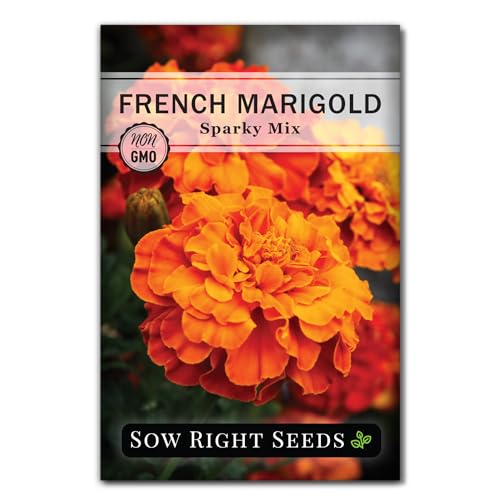
Beautiful - Large premium packet of ‘Sparky Mix’ French Marigold (Tagetes patula) seeds. This annual variety produces medium-sized flowers with wavy petals in a mix of gold, orange, red, yellow or bi-colored blossoms. Perfect for beginners and seasoned gardeners alike, these seeds allow you to effortlessly cultivate brilliant Marigolds that bloom all summer long. These lush, robust blooms also make ideal cut flowers for bouquets and arrangements. Minimum of 1g per packet ( about 350 seeds).
Healthy Soil Practices
Healthy soil supports strong, resistant plants. Improve soil quality by adding organic matter, such as compost or well-rotted manure. Test your soil to ensure optimal pH levels for your plants. Rotate crops annually to disrupt pest life cycles and minimize infestations. Water deeply and less frequently to encourage deep root growth, which helps plants withstand stress and disease.
Companion Planting
Companion planting involves growing specific plants together to deter pests. For instance, marigolds repel nematodes and aphids, making them a great addition to vegetable gardens. Basil can deter flies and mosquitoes when planted near tomatoes. Planting garlic near roses may ward off aphids and other pests. Research compatible plants and incorporate them into your garden layout to maximize benefits.
Natural Pest Control Methods
Natural pest control methods provide effective solutions for managing pests without harmful chemicals. These techniques help maintain a healthy garden ecosystem.
Recommended Products

3 GARDEN PRODUCTS IN 1: Fungicide, insecticide & miticide kills eggs, larvae & adult stages of insects

100% Pure Cold Pressed Neem Oil – No Additives: Unrefined and extracted using traditional cold press methods to retain maximum potency. No solvents or chemicals added — just pure neem power.

FOR ORGANIC GARDENING: Use in & around the home & garden on roses, flowers, houseplants, ornamental trees & shrubs, fruits & vegetables
Homemade Solutions
Homemade solutions offer easy ways to combat pests. You can create these mixtures using common household ingredients.
- Soap Spray: Mix 1 to 2 tablespoons of liquid soap with a quart of water. Spray this solution directly on aphids and spider mites. The soap suffocates these pests without harming your plants.
- Garlic Spray: Blend 2 cloves of garlic with 2 cups of water. Let the mixture sit overnight, strain it, and spray it on infested plants. Garlic deters many insects due to its strong odor.
- Neem Oil: Mix 1 to 2 tablespoons of neem oil with water. This natural pesticide inhibits insects’ ability to feed and reproduce. Spray it on plants every few weeks for best results.
These homemade solutions are safe for pets and beneficial insects, making them a great choice for organic gardeners.
Beneficial Insects
Beneficial insects play a vital role in natural pest control. They help manage pest populations while maintaining a healthy garden environment.
- Ladybugs: These insects feed on aphids and other small pests. Introducing ladybugs to your garden can significantly reduce aphid populations.
- Praying Mantises: Praying mantises are predators that consume a variety of garden pests, including caterpillars and beetles. You can purchase mantis eggs to encourage their presence in your garden.
- Lacewings: Lacewing larvae feed on aphids, spider mites, and thrips. These insects are commonly found in healthy gardens and can be easily attracted by planting flowers like dill and yarrow.
By encouraging these beneficial insects in your garden, you can naturally keep pest populations in check while promoting biodiversity and balance.
Chemical Pest Control Options
Chemical pest control options offer effective solutions for managing pests that threaten your garden. Various pesticides exist, each targeting specific pests and designed for different applications.
Recommended Products

Pyrethrin Garden Insect Spray Concentrate from Bonide is a fast and effective way to kill aphids, beetles, webworms, leafhoppers and many other common garden insects

【FAST ACTION & THOROUGH KILL】: EcoVenger's Ready-to-use plant bug spray is designed for most grown plants, instantly targeting and wiping out horticultural insects on contact—perfect for both outdoor and indoor plants. For delicate and newly sprouted plant parts, simply dilute with water according to the label instructions.

INSECT KILLER - This pest control is a fast and effective way to kill aphids, beetles, webworms, leafhoppers and many other yard and garden insects.
Types of Pesticides
- Insecticides: Target specific insects like aphids, spider mites, and caterpillars. Examples include pyrethroids and organophosphates, which disrupt the nervous system of pests.
- Herbicides: Control unwanted plants or weeds that compete with your garden. Selective herbicides focus on specific weed types without harming crops.
- Fungicides: Combat fungal infections like powdery mildew or blight. Products such as copper fungicide and chlorothalonil are effective against a variety of fungal diseases.
- Bactericides: Address bacterial infections impacting plant health. Products like streptomycin help manage bacterial problems without damaging surrounding plants.
- Read Labels: Always follow the instructions on pesticide labels. This ensures correct usage, recommended dosages, and safety precautions.
- Wear Protective Gear: Use gloves, goggles, and masks during application to protect yourself from harmful chemicals.
- Apply During Calm Conditions: Spraying on calm days reduces drift and unintended contamination of nearby plants or gardens.
- Target Specific Areas: Apply pesticides directly to affected plants rather than blanket spraying across your garden. This minimizes chemical use and protects beneficial insects.
- Follow Local Regulations: Check with local agricultural extension offices or websites for guidelines on pesticide applications in your area.
- Monitor Affected Areas: After application, observe your garden for improvements and any further pest activity. Keep records of what works best for your garden.
Implementing these chemical pest control options alongside proper techniques offers a balanced approach to pest management in your garden.
Monitoring and Maintenance
Monitoring your garden for pests requires diligence and a proactive approach. Regular maintenance ensures a healthy backdrop for your plants to thrive.
Regular Inspection Practices
Inspect your garden weekly for signs of pests. Look for visible insects, damaged leaves, and any unusual plant behavior. Use a hand lens for a closer examination of smaller pests, like spider mites. Focus on the undersides of leaves, as many pests hide there.
Record your findings in a garden journal. Note the date, location, and any observable damage. This practice helps you track pest populations and notice trends over time. If pests appear, identify them quickly to determine an appropriate control method.
Seasonal Adjustments
Adjust your monitoring practices based on the season. In spring, check for early pests like aphids and caterpillars. During summer, ramp up inspections, as pest populations peak. In fall, watch for any late-season issues before winter dormancy sets in.
Apply preventative measures according to seasonal pest patterns. For instance, planting marigolds in early spring can deter specific pests throughout the growing season. Also, consider adjusting watering practices during dry spells; stressed plants attract more pests.
By incorporating regular inspection practices and making seasonal adjustments, you create an environment that supports healthy plants while minimizing pest problems.
Conclusion
Dealing with pests in your garden can feel overwhelming at times but remember you’re not alone in this struggle. By staying vigilant and implementing the strategies discussed you can create a thriving environment for your plants.
Whether you choose natural remedies or chemical solutions the key is to find a balanced approach that works for you. Regular monitoring and adjustments will help you stay one step ahead of pests and keep your garden healthy.
Enjoy the process and celebrate the small victories along the way. Your hard work will pay off with a beautiful and bountiful garden. Happy gardening!
Frequently Asked Questions
What are common garden pests to look out for?
Gardeners should watch for common pests like aphids, spider mites, snails, slugs, whiteflies, and caterpillars. Each of these pests can significantly damage plants, leading to poor growth and lower yields.
How can I tell if my plants have pests?
Signs of pest activity include wilting plants, discoloration, visible insects, holes in leaves, and sticky residue on leaves. Regular inspections can help identify these issues early on.
What are effective prevention strategies for garden pests?
To prevent pests, focus on healthy soil practices like adding organic matter, testing soil pH, rotating crops, and watering less frequently but deeply. Companion planting with pest-repelling plants can also help.
Are there natural pest control methods I can use?
Yes! Homemade solutions like soap spray, garlic spray, and neem oil can effectively control pests. Encouraging beneficial insects, such as ladybugs and praying mantises, also contributes to pest management.
When should I consider chemical pest control?
Chemical pest control may be necessary when other methods fail to manage severe infestations. Always read labels, apply during calm conditions, and follow local regulations to ensure safe use.
How often should I inspect my garden for pests?
Regular inspections are essential, especially during peak seasons. Keeping a garden journal to track findings and adjusting monitoring practices based on seasonal patterns can enhance pest management efforts.

My interest in trees started when I first saw the giant sequoias in Yosemite.I was a teenager then, and I remember thinking, “I need to learn more about this.”That moment stuck with me.A few years later, I went on to study forestry at Michigan Tech.
Since graduating, I’ve worked in a mix of hands-on tree care and community education.I’ve spent over ten years helping people understand how to plant, maintain, and protect the trees in their neighborhoods.I don’t see trees as just part of the landscape.They are living things that make a real difference in our daily lives.