
Transform your garden into a stunning masterpiece with a dogwood tree as the focal point.
Discover the secrets to selecting the perfect dogwood and designing a layout that highlights its beauty.
Create a serene oasis that showcases the elegance of the dogwood tree in your outdoor space.
Choosing the Right Dogwood Tree
When selecting the perfect dogwood tree for your garden, consider the specific needs of your climate and soil to ensure successful growth and vibrant blooms.
Start by selecting the right variety of dogwood tree that's best suited for your region. For example, if you live in a cooler climate, consider the Kousa dogwood, known for its cold hardiness. If you're in a warmer climate, the Florida dogwood might be a better choice.
Proper care and maintenance are also essential for the health of your dogwood tree. Ensure that the tree is planted in well-draining soil and receives adequate water and sunlight.
Pruning should be done in late winter or early spring to remove dead or diseased branches and maintain the tree's shape.
Recommended Products
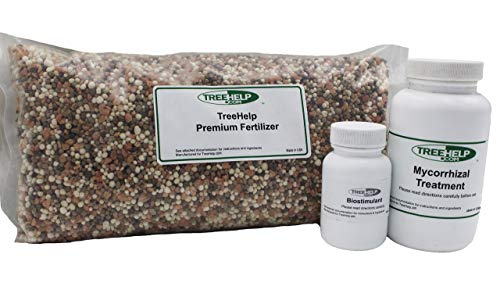
Not Available for Sell in WA, USA

Grow your own tree from seed!

For sale is one live pink dogwood tree that is approximately 8-12" tall
Designing the Garden Layout
To create an inviting and visually appealing dogwood tree feature garden, carefully consider the layout and placement of the trees within the space. When designing the garden layout, think about the spatial considerations and tree placement.
Ensure that the dogwood trees are strategically positioned to maximize their visual impact and allow for healthy growth. You may want to create pathways that lead to garden focal points where the dogwood trees are prominently displayed. Pathway options can include meandering stone pathways or neatly trimmed grass paths, depending on the overall aesthetic you want to achieve.
Consider incorporating seating areas near the dogwood trees to provide opportunities for relaxation and enjoyment of the garden.
Planting and Caring for Dogwood Trees
Considering the layout and placement of the dogwood trees in your feature garden, it's essential to understand the proper planting and care techniques to ensure their long-term health and beauty.
When planting dogwood trees, choose a location with well-draining, acidic soil. Ensure they receive partial shade to full sun and adequate air circulation. Dig a hole twice as wide as the root ball, but no deeper, and gently loosen the roots before planting.
Water deeply after planting and mulch to retain moisture.
As for caring for your dogwood trees, prune them in late winter to early spring to remove dead or diseased branches and maintain their shape. Avoid heavy pruning, as it can stress the tree.
Regularly check the soil moisture and water deeply during dry spells, especially in the first few years.
Following these soil requirements and pruning techniques will help your dogwood trees thrive.
Recommended Products

FOR USE ON: For all Acid-loving plants; Use Espoma Organic Soil Acidifier for azaleas, hydrangeas, rhododendrons, blueberries, evergreens, strawberries, camellias, and all plants that thrive in acidic soils.

Package contains 5 tree and shrub fertilizer spikes and are produced to avoid wasteful runoff, mess, hazards and smells

Package contains 9 tree and shrub fertilizer spikes and are produced to avoid wasteful runoff, mess, hazards and smells
Complementing Plants and Features
Incorporate complementary plants and features to enhance the beauty and visual appeal of your dogwood tree feature garden. Here are some ideas to complement your dogwood tree and create a harmonious garden:
- Garden Accessories: Add charming garden accessories such as trellises, birdbaths, or decorative rocks to create visual interest and focal points within your garden.
- Seasonal Color: Plant seasonal flowers like tulips in spring, daisies in summer, and mums in fall to provide bursts of color that change with the seasons, adding vibrancy to your garden year-round.
- Textured Foliage: Choose plants with various foliage textures such as ferns, hostas, or ornamental grasses to create depth and dimension in your garden.
- Evergreen Shrubs: Incorporate evergreen shrubs like boxwood or holly to provide structure and maintain visual interest during the winter months.
Recommended Products
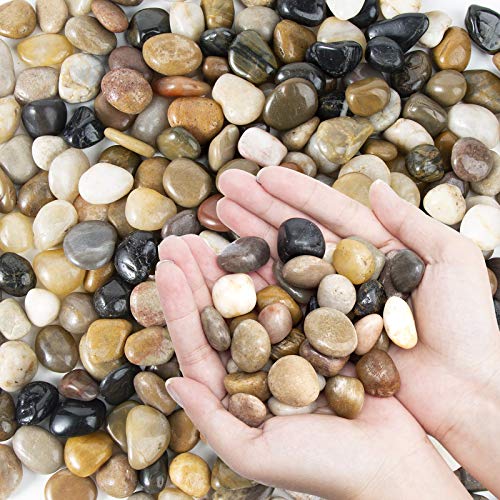
Natural Stones: This river rocks are natural lightly polished for smooth effect, comes in a variety of natural colors, Resists fading for long-lasting beauty. The color of this river rock is natural so it may include a variety of different shades of browns, whites and black rocks. (rocks are natural and as a result some may be broken or out of shape, oval or round, thick or thin.

Sturdy One Piece Birdbath or Feeder

2lbs Jade Pebbles - The diameter of each Jade river rocks is about 1-2 inch. Some maybe larger than 2 inches due to machine screening. Made of natural river rocks,irregular shapes and smooth surface
Maintaining the Dogwood Tree Feature Garden
Begin by regularly inspecting your dogwood tree for any signs of pests, disease, or stress, ensuring its continued health and vitality. Keep an eye out for common pests such as aphids or borers, and promptly address any issues to prevent them from causing significant harm.
Pruning techniques are crucial for maintaining the tree's shape and promoting healthy growth. Trim dead or diseased branches in late winter to early spring, and avoid heavy pruning during the growing season.
Additionally, maintaining soil fertility is essential for the dogwood tree's overall well-being. Consider conducting a soil test to determine any deficiencies and amend the soil as needed with organic matter or fertilizers.
Conclusion
So, with the right tree, layout, and care, your dogwood garden will bloom beautifully for years, bringing nature's charm to your own backyard.
Embrace the tranquility and wonder of your outdoor space.

My interest in trees started when I first saw the giant sequoias in Yosemite.I was a teenager then, and I remember thinking, “I need to learn more about this.”That moment stuck with me.A few years later, I went on to study forestry at Michigan Tech.
Since graduating, I’ve worked in a mix of hands-on tree care and community education.I’ve spent over ten years helping people understand how to plant, maintain, and protect the trees in their neighborhoods.I don’t see trees as just part of the landscape.They are living things that make a real difference in our daily lives.