Are pests wreaking havoc in your garden? You’re not alone. Many gardeners face the frustration of unwanted critters munching on their hard-earned plants. But what if you could tackle these pests without harsh chemicals?
Key Takeaways
- Understand Organic Control: Emphasize natural pest management methods that protect both plants and the ecosystem, avoiding harmful chemicals.
- Preventive Practices: Implement crop rotation, companion planting, and soil health maintenance to establish a resilient garden that minimizes pest invasions.
- Utilize Natural Remedies: Incorporate organic solutions like neem oil, insecticidal soap, and diatomaceous earth to combat pests safely.
- Encourage Beneficial Insects: Attract natural predators such as ladybugs and lacewings to help keep pest populations in check.
- Monitor & Act Quickly: Regularly inspect your garden for signs of infestation and address issues promptly to prevent larger problems.
- Create a Balanced Ecosystem: Focus on companion planting and maintaining healthy soil to foster a thriving garden environment that supports natural pest control.
Understanding Organic Pest Control
Organic pest control emphasizes natural methods to manage pests without harmful chemicals. This approach not only protects your garden but also promotes overall ecosystem health.
Key Principles of Organic Pest Control
- Prevention: Establish a healthy garden environment. Rotate crops, introduce companion plants, and maintain soil health. These practices minimize pest invasions.
- Observation: Monitor for pests and their signs. Regular checks help you identify issues quickly. Pay attention to unusual plant damage or pest activity.
- Natural Remedies: Utilize organic sprays and repellents. Options include neem oil, insecticidal soap, and diatomaceous earth. Each acts against pests while being safe for plants.
- Beneficial Insects: Encourage natural predators like ladybugs and lacewings. They can significantly reduce pest populations without additional effort from you.
Effective Strategies for Control
- Hand-Picking: For larger pests like slugs and caterpillars, manual removal serves as a straightforward solution. Check plants regularly and dispose of any found pests.
- Plant Barriers: Use physical barriers like row covers or nets. These prevent pests from reaching your plants while allowing air and sunlight in.
- Traps: Create traps for specific pests. For example, sticky traps catch flying insects. Beer traps can lure and drown slugs.
- Companion Planting: Plant certain species together to deter pests. For instance, marigolds repel nematodes, while basil can deter flies and mosquitoes.
Understanding Pest Life Cycles
Knowing the life cycles of pests aids in targeted control. Many pests have specific stages, such as eggs, larvae, and adults. Focus your efforts on the most vulnerable stages. For example, targeting aphid larvae can prevent larger infestations.
Timing Is Key
Applying treatments at the right time enhances effectiveness. Early morning or late evening might work best for sprays. Pests are less active, maximizing absorption and minimizing harm to beneficial insects.
Resources and Tools
Equip yourself with tools and resources:
- Gardening gloves: Protect your hands during removal.
- Spray bottles: Apply natural remedies easily.
- Identification charts: Help identify pests and beneficial insects.
By incorporating these organic approaches, you’ll maintain a thriving garden free from harmful chemicals.
Benefits of Organic Pest Control
Organic pest control offers numerous advantages for your garden and the environment. By adopting these methods, you contribute to a healthier ecosystem while maintaining a flourishing garden.
Environmental Impact
Using organic pest control reduces harmful effects on local wildlife and soil health. Chemicals from synthetic pesticides often leach into waterways, affecting aquatic life. Organic methods, like introducing beneficial insects or using natural repellents, promote biodiversity. For instance, introducing ladybugs controls aphid populations without harming other beneficial insects.
Health Considerations
Organic pest control prioritizes your health and safety. Conventional pesticides often leave harmful residues on edible plants. By choosing organic methods, you minimize your exposure to these residues while growing nutritious food. For example, neem oil, derived from the neem tree, acts as an effective pesticide that’s safe for your family and pets. This approach allows you to enjoy your garden’s bounty without the worry of chemical contamination.
Common Garden Pests
Identifying common garden pests is essential for effective management. Various pests can disrupt your garden’s health, but knowing which ones to watch for can help you take action quickly.
Recommended Products
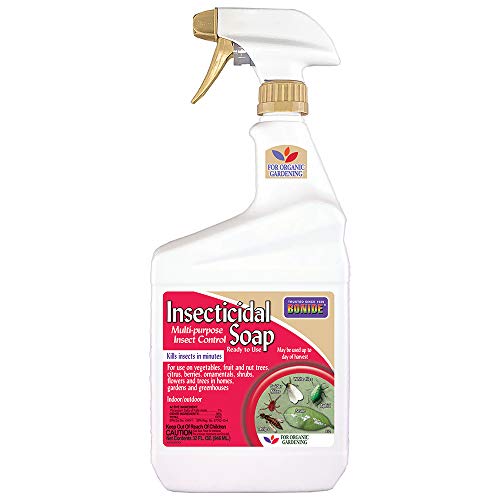
Captain Jack's Insecticidal Super Soap controls species of adelgid, ant, aphid, borer, caterpillar, spider mite, cricket, chinch bug, weevil, fly, thrip, and more

READY-TO-USE CONTACT SPRAY: No mixing required. Thoroughly spray insecticide on all plant parts, including the underside of leaves. Pests must be sprayed directly to achieve control
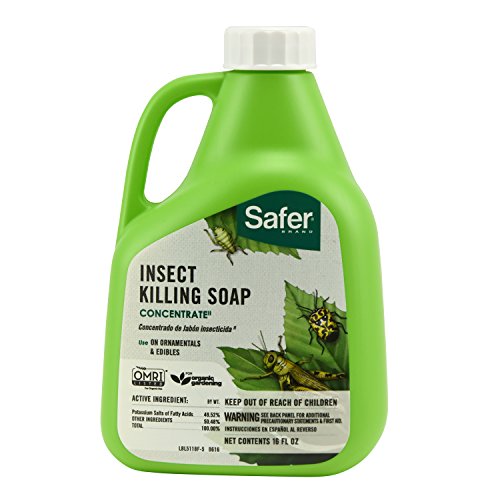
GENTLE ON MOST PLANTS - This aphid spray is ideal for use on flowers, herbs, vegetables, houseplants, lawn, tree, shrubs, and more
Identification of Pests
- Aphids: Small, soft-bodied insects often found on new growth and underneath leaves. Look for clusters of green, black, or white bodies.
- Spider Mites: Tiny, spider-like pests that create fine webbing on plants. Check for yellowing leaves and speckled damage.
- Whiteflies: Small, white flying insects that hover near the plant and lay eggs on the undersides of leaves. Look for sticky residue on leaves.
- Caterpillars: The larval stage of moths and butterflies. Check for chewed leaves and frass (excrement) on or near affected plants.
- Slugs and Snails: These pests leave a slimy trail and create irregular holes in leaves. Check during evenings or after rain for active signs.
- Aphids: Infestations can cause stunted growth and leaf curling. They also excrete honeydew, promoting sooty mold.
- Spider Mites: These pests can cause leaf discoloration, fine stippling, and may eventually lead to leaf drop if not controlled.
- Whiteflies: They weaken plants by sucking sap and can transmit viral diseases. Affected plants may show wilting and yellowing.
- Caterpillars: They can decimate foliage, leading to reduced photosynthesis and weakened plants. Larger infestations can severely impact crop yields.
- Slugs and Snails: They chew large holes in leaves and stems, which can result in plant stress and vulnerability to disease.
Regular monitoring of your garden helps in early identification and prompt action against these pests, ensuring the overall health of your plants.
Effective Organic Pest Control Methods
Control pests in your garden with effective organic methods. These strategies promote plant health while protecting the environment.
Recommended Products
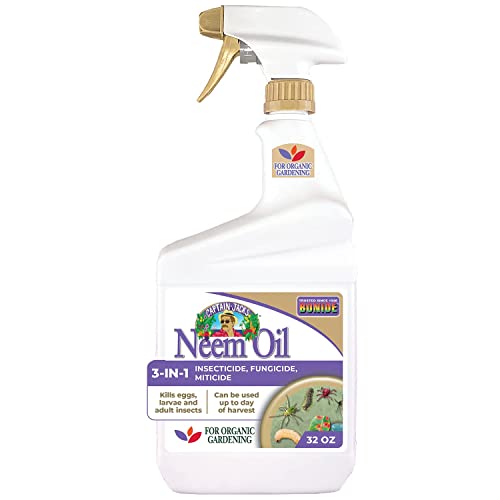
Protect your oasis with 3 garden products in 1 from Captain Jack’s; Bonide Captain Jack’s Ready-to-Use Neem Oil spray for plants is a multi-purpose fungicide, insecticide and miticide for your lawn & garden

FUNGAL DISEASE CONTROL: Prevents and controls black spot on roses, powdery mildew, rust, downy mildew, and other listed fungal diseases when applied on a 7–14 day schedule
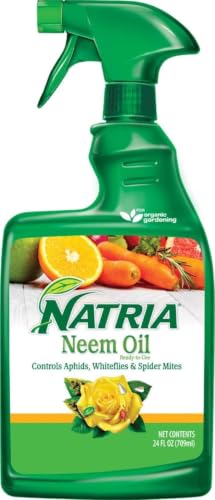
PLANT DISEASE CONTROL: Natria Neem Oil acts as an insecticide and fungicide in one convenient spray; Ready-to-use trigger sprayer requires no mixing
Physical Barriers
Physical barriers provide direct protection against pests. Use options like:
- Row Covers: Lightweight fabric allows sunlight and moisture through while keeping pests out. Drape it over crops to create a protective shield.
- Netting: Use fine mesh netting around fruit trees and vegetable beds to deter birds and larger pests.
- Copper Tape: Place copper tape around pots or garden beds to deter slugs and snails, as they react negatively to copper.
- Sticky Traps: Use yellow sticky traps placed near affected plants to catch flying insects like aphids and whiteflies.
Natural Repellents
Natural repellents help deter pests without harmful chemicals. Consider these options:
- Neem Oil: Dilute neem oil with water and spray on plants. It disrupts insect growth and repels many pests.
- Garlic Spray: Blend garlic with water, strain, and spray on plants to deter aphids and caterpillars with its strong scent.
- Soap Solution: Mix mild liquid soap with water. Spray on affected plants to suffocate soft-bodied insects like aphids and spider mites.
- Diatomaceous Earth: Sprinkle food-grade diatomaceous earth around plants. It’s lethal to soft-bodied insects while being safe for plants and pets.
Beneficial Insects
Beneficial insects support natural pest control. Attract these allies to your garden:
- Ladybugs: Introduce ladybugs to control aphids, as they feed on them. Plant dill and fennel to attract them.
- Lacewings: Lacewing larvae consume aphids, thrips, and other pests. Encourage them by planting cosmos and yarrow.
- Parasitic Wasps: These wasps lay eggs in pest bodies. They control caterpillar populations. Providing habitats like flowering plants can attract them.
- Predatory Mites: Use predatory mites to manage spider mite populations. Set them loose in affected areas as a natural remedy.
Utilizing these organic pest control methods enhances garden health while maintaining a sustainable ecosystem.
Creating a Balanced Ecosystem
Creating a balanced ecosystem in your garden promotes natural pest control while enhancing plant health. It involves utilizing various strategies that support beneficial organisms.
Recommended Products

5 COMPANION PLANTS - This five-pack includes heirloom seeds for growing Large Leaf Basil (Ocimum basilicum), Borage (Borago officinalis), Compact Dill (Anethum graveolens), Crackerjack Marigold (Tagetes erecta), and Tip Top Mix Nasturtium (Tropaeolum majus)

Vibrant Flowers: Marigolds burst forth with large, vivid blooms, creating an enchanting garden display that adds eye-catching beauty to flowerbed borders

Companion Planting
Companion planting helps deter pests and improve plant growth. By pairing certain plants together, you can create a natural defense system. For instance, planting marigolds near vegetables can repel nematodes and aphids. Similarly, basil planted alongside tomatoes enhances flavor and deters pests like tomato hornworms. Other effective combinations include:
- Nasturtiums and cabbage: Deterrent for aphids and cabbage moths.
- Chives and carrots: Chives repel carrot flies while allowing carrots to thrive.
- Garlic and roses: Garlic can ward off aphids, benefiting rose bushes.
Research local plant companions to maximize benefits in your specific region.
Soil Health and Maintenance
Soil health directly impacts plant resilience against pests. Healthy soil fosters robust plants capable of resisting infestations. To maintain soil health:
- Add Organic Matter: Incorporate compost to provide essential nutrients and improve soil structure.
- Use Mulch: Apply organic mulch like straw or wood chips to retain moisture and suppress weeds.
- Practice Crop Rotation: Changing plant locations each season disrupts pest life cycles and prevents build-up.
- Test Soil: Regularly check pH and nutrient levels to determine necessary amendments.
Healthy soil supports beneficial organisms, promoting a balanced garden ecosystem that naturally controls pests.
Conclusion
Embracing organic pest control not only protects your garden but also nurtures the environment. By using natural methods you can create a thriving ecosystem that supports plant health and biodiversity.
Staying observant and proactive in your gardening practices helps you catch pest issues early. With a toolbox of organic remedies and beneficial allies at your disposal you’re well-equipped to tackle any challenges that come your way.
Enjoy the process of gardening and the satisfaction that comes from growing healthy plants without harmful chemicals. Your garden will flourish and so will your peace of mind. Happy gardening!
Frequently Asked Questions
What is organic pest control?
Organic pest control uses natural methods to manage pests without harmful chemicals. This approach focuses on promoting ecosystem health while reducing risks to human health and the environment.
How can I prevent pests in my garden?
Preventing pests starts with healthy gardening practices such as regular monitoring, maintaining soil health, and planting pest-resistant varieties. Creating a balanced ecosystem with beneficial insects also helps deter pests.
What are some natural remedies for pest control?
Natural remedies include neem oil, insecticidal soap, garlic spray, and diatomaceous earth. These options can effectively deter pests without harming beneficial insects or the environment.
What pests should I look out for in my garden?
Common garden pests include aphids, spider mites, whiteflies, caterpillars, and slugs. Each can cause significant damage if not monitored and managed promptly.
How do beneficial insects help with pest control?
Beneficial insects such as ladybugs and lacewings help control pest populations by preying on harmful insects. Encouraging these insects can reduce the need for chemical pest control methods.
What is companion planting?
Companion planting pairs different plants together to deter pests or enhance growth. For example, planting marigolds with vegetables can help repel certain pests while promoting healthy plant development.
How can I use physical barriers for pest control?
You can use physical barriers like row covers, netting, and copper tape to protect plants from pests. These barriers act as shields without the need for chemicals.
Why is soil health important for pest management?
Healthy soil supports strong plants that are more resilient to pests. Maintaining soil health through organic matter, mulching, and crop rotation reduces pest vulnerabilities and promotes overall garden vitality.
How can I identify common pests in my garden?
Regularly observing your plants for unusual damage or pest signs, such as holes, discoloration, or webbing, can help identify common pests. Using identification charts can also aid in recognizing specific pests.
Are there risks to using synthetic pesticides?
Yes, synthetic pesticides can harm local wildlife, pollute waterways, and leave harmful residues on edible plants. Opting for organic methods minimizes these risks and supports a healthier gardening environment.

My interest in trees started when I first saw the giant sequoias in Yosemite.I was a teenager then, and I remember thinking, “I need to learn more about this.”That moment stuck with me.A few years later, I went on to study forestry at Michigan Tech.
Since graduating, I’ve worked in a mix of hands-on tree care and community education.I’ve spent over ten years helping people understand how to plant, maintain, and protect the trees in their neighborhoods.I don’t see trees as just part of the landscape.They are living things that make a real difference in our daily lives.