Are your vegetable plants looking a little worse for wear? If you’ve noticed tiny pests sucking the life out of your greens, you’re not alone. Aphids can wreak havoc on your garden, leaving you frustrated and worried about your harvest.
Key Takeaways
- Identify Aphid Species: Recognize the various types of aphids (e.g., Green Peach, Black Bean, Cabbage, Cotton) to tailor your control methods effectively.
- Spot Infestation Signs Early: Watch for curling leaves, sticky honeydew, yellowing or wilting, and visible aphids on the undersides of plants to address infestations promptly.
- Implement Preventive Measures: Choose aphid-resistant plants and utilize companion planting, while maintaining garden hygiene to minimize the risk of infestations.
- Utilize Natural Control Methods: Introduce beneficial insects like ladybugs and lacewings, and use homemade insecticidal soap as eco-friendly options to manage aphid populations.
- Chemical Management Strategies: Explore over-the-counter solutions, including insecticidal soaps and neem oil, while adhering to safety precautions and application guidelines.
- Practice Integrated Pest Management (IPM): Combine preventive tactics, natural methods, and, when necessary, chemical solutions for comprehensive aphid control in your vegetable garden.
Understanding Aphids in Your Vegetable Garden
Aphids are small pests that pose a significant threat to your vegetable garden. These tiny insects suck nutrients from plants, potentially harming their growth and yield.
Types of Aphids
Several aphid species commonly invade vegetable gardens. Here are a few to watch for:
- Green Peach Aphid: Often found on peach trees but also targets a variety of crops such as tomatoes and peppers.
- Black Bean Aphid: Primarily attacks legumes, including beans and peas.
- Cabbage Aphid: Prefers cabbage, broccoli, and other cruciferous vegetables.
- Cotton Aphid: Commonly affects cotton but also harms squash and peppers.
Identifying the specific type helps tailor your control strategy.
Common Signs of Infestation
Several indicators signal an aphid infestation in your garden:
- Curling Leaves: Infested leaves may curl or distort due to aphids feeding on their sap.
- Sticky Residue: Look for a shiny, sticky substance known as honeydew that aphids excrete, often attracting ants and leading to sooty mold.
- Yellowing or Wilting Leaves: Affected plants may exhibit yellowing, wilting, or stunted growth due to nutrient depletion.
- Visible Aphids: Check the undersides of leaves, stems, and flowers for live aphids, which can range in color from green to black.
Spotting these signs early can help you take action before the infestation worsens.
Preventive Measures for Aphid Control
Preventing aphids in your vegetable garden starts with proactive strategies. Here are two essential approaches to keep these pests at bay.
Recommended Products
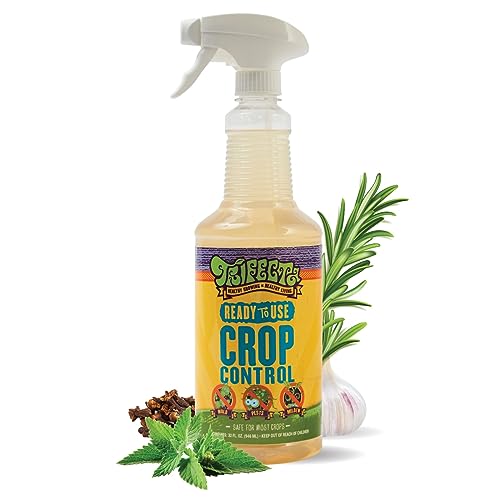
CROP, GARDEN & HOUSEPLANT INSECT CONTROL. Trifecta Crop Control all-natural, plant-based formula effectively combats destructive spider mites, aphids, whiteflies, fungus gnats, and other soft-bodied pests on indoor and outdoor plants. Our biodegradable, eco-friendly solution is safe for use on edible crops, without chemical residues. Our gentle yet potent plant spray suffocates and dehydrates pests without harming beneficial insects or the environment, making it ideal for organic gardening.
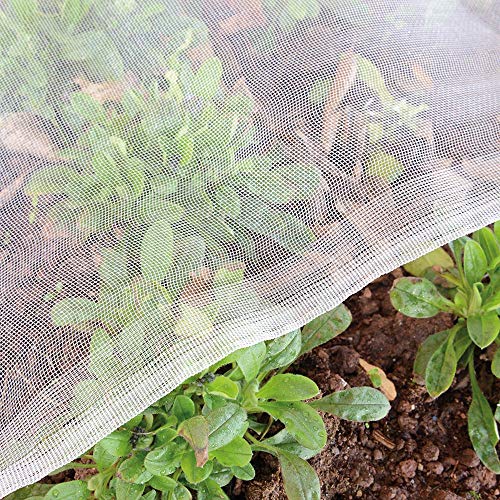
🥬Effective Bug Barrier: Protecting plants and vegetables from a wide range of pest insects and animals, such as cicadas, carrot fly and many species of aphids, you will get a healthier and happier garden

3-in-1 FORMULA: Aphid spray for outdoor plants for use on roses, flowers, shrubs and trees to control listed insects, disease and mites
Plant Selection and Companion Planting
Choosing resistant plant varieties helps reduce aphid issues. Select crops like garlic or chives, which naturally repel aphids. Incorporate companion plants such as marigolds or nasturtiums to attract beneficial insects, like ladybugs and lacewings, that prey on aphids. Creating diverse plantings limits the likelihood of aphid infestations.
Maintaining Garden Hygiene
Keeping your garden clean is crucial for preventing aphids. Remove debris, fallen leaves, and dead plants that can harbor pests. Regularly inspect your plants for signs of aphids and take action immediately if found. Ensure proper spacing between plants to promote air circulation, which reduces the chance of infestations. Apply mulch to suppress weeds, minimizing hiding spots for aphids.
By implementing these preventive measures, you can effectively control aphids and enjoy a healthier vegetable garden.
Natural Methods to Control Aphids
Utilizing natural methods provides effective ways to control aphids without resorting to harmful chemicals. Here are several strategies to keep your vegetable garden healthy.
Introduction of Beneficial Insects
Incorporate beneficial insects into your garden ecosystem. Ladybugs, lacewings, and parasitic wasps feed on aphids and help keep their populations in check. You can attract these allies by planting nectar-rich flowers like yarrow or dill. Release purchased ladybugs in the evening to give them time to settle in and start hunting.
Homemade Insecticidal Soap
Creating a homemade insecticidal soap offers a safe way to combat aphids. Combine one tablespoon of mild liquid soap with one quart of water in a spray bottle. Apply this mixture directly onto the aphids, ensuring you cover both the tops and bottoms of affected leaves. Repeat every few days or after rain to maintain efficacy. Always test a small area first to avoid damaging your plants.
Chemical Options for Aphid Management
Chemical solutions can effectively manage aphid populations in your vegetable garden when other methods fall short. Here are some options to consider.
Recommended Products
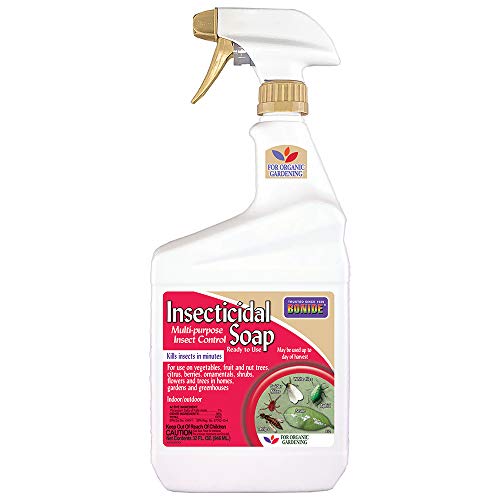
Captain Jack's Insecticidal Super Soap controls species of adelgid, ant, aphid, borer, caterpillar, spider mite, cricket, chinch bug, weevil, fly, thrip, and more

READY-TO-USE CONTACT SPRAY: No mixing required. Thoroughly spray insecticide on all plant parts, including the underside of leaves. Pests must be sprayed directly to achieve control

PEST DEFENSE - Insecticidal Super Soap controls species of adelgid, ant, aphid, borer, caterpillar, spider mite, cricket, chinch bug, weevil, fly, thrip, & more.
Over-the-Counter Solutions
- Insecticidal Soaps: These soaps target aphids while minimizing harm to beneficial insects. Spray directly onto infested plants, ensuring thorough coverage. Reapply every 5-7 days until aphids are gone for good.
- Neem Oil: This natural pesticide disrupts the life cycle of aphids, making it harder for them to reproduce. Mix according to package instructions and apply in the evening to prevent leaf burn. Reapplication may be necessary after 7-14 days, especially after rain.
- Pyrethrin-based Products: Derived from chrysanthemum flowers, these sprays knock down aphids quickly. Follow label instructions carefully, aiming for early morning or late afternoon applications to avoid harming pollinators. Repeat applications may be required for persistent infestations.
- Systemic Insecticides: These products are absorbed by plants, making them toxic to aphids that feed on them. Use as instructed and apply during periods of high aphid activity for effective control.
- Read Labels: Always read the product labels for specific directions and safety information. Each product contains crucial details for effective and safe application.
- Wear Protective Gear: When applying chemicals, wear gloves, long sleeves, and protective eyewear. This shields your skin and eyes from potential irritation.
- Avoid Windy Days: Apply chemicals when wind isn’t a factor. Wind can cause sprays to drift, affecting unintended plants or insects.
- Keep Pets and Children Away: Ensure pets and children stay away from treated areas until the products have dried completely.
- Follow Re-entry Intervals: Respect any specified waiting periods before re-entering treated areas. This ensures your safety and minimizes potential exposure.
By strategically choosing and applying chemical options while adhering to safety precautions, you can control aphids effectively in your vegetable garden.
Conclusion
Taking control of aphids in your vegetable garden doesn’t have to be overwhelming. By staying vigilant and recognizing the signs of an infestation early on, you can take action before they wreak havoc on your plants. Embracing a mix of preventive measures and natural solutions can make a significant difference in keeping these pests at bay.
Don’t hesitate to introduce beneficial insects and create a welcoming environment for them. If needed, you can always turn to chemical options as a last resort. With a little effort and the right strategies, you can protect your garden and enjoy a bountiful harvest. Happy gardening!
Frequently Asked Questions
What are aphids and why are they a problem for vegetable gardens?
Aphids are small, sap-sucking pests that can severely damage vegetable plants by draining their nutrients. They can lead to stunted growth, yellowing leaves, and reduced crop yields, causing significant frustration for gardeners.
How can I identify an aphid infestation?
Signs of aphid infestations include curling leaves, sticky honeydew residue, yellowing or wilting foliage, and the visible presence of aphids on plants. Early detection is crucial for effective management.
What are some preventive measures to control aphids?
To prevent aphids, choose resistant plant varieties like garlic or chives, use companion planting with marigolds or nasturtiums, and maintain garden hygiene by removing debris and ensuring proper spacing for air circulation.
What natural methods can I use to control aphids?
Introduce beneficial insects such as ladybugs and lacewings that feed on aphids. Plant nectar-rich flowers like yarrow or dill to attract these natural predators. You can also use a homemade insecticidal soap spray for direct applications.
What chemical options are available for aphid control?
Various over-the-counter options include insecticidal soaps, neem oil, and pyrethrin-based products. It’s essential to read product labels, follow safety precautions, and apply them during calm weather for best results.

My interest in trees started when I first saw the giant sequoias in Yosemite.I was a teenager then, and I remember thinking, “I need to learn more about this.”That moment stuck with me.A few years later, I went on to study forestry at Michigan Tech.
Since graduating, I’ve worked in a mix of hands-on tree care and community education.I’ve spent over ten years helping people understand how to plant, maintain, and protect the trees in their neighborhoods.I don’t see trees as just part of the landscape.They are living things that make a real difference in our daily lives.