Ever wondered why your garden herbs don’t thrive like you hoped? You’re not alone. Many gardeners face the same challenge, but the good news is that caring for herbs isn’t as complicated as it seems. With a few simple tips, you can turn your herb garden into a lush and flavorful oasis.
Key Takeaways
- Understand Herb Characteristics: Familiarize yourself with different types of herbs, their specific needs, and benefits to improve your gardening success.
- Create Optimal Soil Conditions: Use well-draining soil, enrich it with organic matter, and maintain a pH between 6.0 and 7.0 for healthy herb growth.
- Water Wisely: Keep soil consistently moist but avoid overwatering by allowing the top inch to dry out between sessions.
- Ensure Adequate Sunlight: Position herbs to receive at least 6 to 8 hours of sunlight daily, rotating pots regularly for balanced light exposure.
- Monitor for Pests and Diseases: Regularly inspect herbs for common pests and implement preventive measures to maintain plant health.
- Harvest and Store Correctly: Harvest herbs at the right time, use proper tools, and explore various storage methods like refrigerating, drying, or freezing for optimal freshness.
Understanding Garden Herbs
Caring for garden herbs begins with understanding their unique characteristics. Herbs are versatile plants that enhance both culinary dishes and gardens. Knowing the common types of herbs and their benefits adds value to your gardening efforts.
Common Types of Garden Herbs
Familiarize yourself with these popular garden herbs:
- Basil: A key ingredient in Italian cuisine, basil thrives in warm weather and well-drained soil. It prefers full sun but tolerates partial shade.
- Parsley: Available in flat-leaf and curly varieties, parsley grows well in a range of soils and can handle some shade. It’s often used as a garnish or flavoring.
- Thyme: Known for its strong aroma, thyme is drought-resistant and prefers full sun. It’s commonly used in Mediterranean dishes.
- Rosemary: An evergreen herb, rosemary requires well-drained soil and plenty of sunlight. Its savory flavor complements meats and vegetables.
- Mint: There are various mint types, such as spearmint and peppermint. Mint thrives in moist, rich soil and can spread rapidly, so consider container growing.
- Chives: With a mild onion flavor, chives thrive in full sun and well-drained soil. Utilize them fresh in salads, soups, or as a garnish.
Benefits of Growing Herbs
Growing herbs offers numerous advantages:
- Fresh Flavors: Herbs elevate the taste of your dishes, providing fresh flavors and aromas that dried options can’t match.
- Health Benefits: Many herbs harbor health properties, such as antioxidants and anti-inflammatory effects. For example, parsley is high in vitamins A and C.
- Pest Control: Certain herbs, like basil and mint, deter harmful pests. Their strong scents can keep unwanted visitors away from your other garden plants.
- Aesthetic Appeal: Herbs can enhance the beauty of your garden. Their green leaves and colorful flowers add visual interest.
- Cost-Effective: Growing herbs permits you to enjoy fresh ingredients while saving money compared to purchasing them at the store.
Enhancing your garden with herbs not only enriches your cooking but also provides ecological benefits, making them a valuable addition to your outdoor space.
Essential Care Techniques
Caring for garden herbs involves a few straightforward techniques that ensure they thrive. Understanding their specific needs can make a significant difference in their growth and flavor.
Recommended Products

Quick, at home results for Soil pH, Nitrogen, Phosphorous and Potash Innovative and inexpensive soil test kit features an easy-to-use capsule system and patented color comparators

Kindly NOTE: This soil tester can not be applied to test pH value of any other liquid. If the soil is too dry the indicator will not move, and water it before testing.

KNOW BEFORE YOU GROW | Grow the healthiest, sustainable lawn and garden with the most accurate and easy to use professional soil test kit on the market
Soil Requirements
Choose well-draining soil for your herbs. Loamy or sandy soils with good organic matter are ideal. Aim for a pH between 6.0 and 7.0 for optimal growth. To enrich the soil, incorporate compost or aged manure. This enhances nutrients while improving drainage. Regularly test your soil to maintain these conditions and amend as needed.
Watering Guidelines
Water your herbs consistently but avoid overwatering. Herbs generally prefer soil that’s moist but not soggy. Water deeply once or twice a week, allowing the top inch of soil to dry out between sessions. In hotter months, consider daily watering if the soil dries quickly. A drip irrigation system or soaker hose can help maintain moisture without over-saturating the roots.
Sunlight Needs
Position your herbs in a spot that receives at least 6 to 8 hours of sunlight daily. Most herbs, like basil and rosemary, thrive in full sun. Rotate pots or planters every few weeks to ensure even sunlight exposure. If you’re in a cooler climate, consider using a sunroom or placing them against a south-facing wall to maximize light.
Pest and Disease Management
Managing pests and diseases in your herb garden ensures healthy, vibrant plants. Being proactive helps keep your herbs thriving.
Recommended Products

READY-TO-USE CONTACT SPRAY: No mixing required. Thoroughly spray insecticide on all plant parts, including the underside of leaves. Pests must be sprayed directly to achieve control

KILLS 100+ LISTED INSECTS: Kills aphids, tomato hornworms, green fruitworms and other listed insect pests
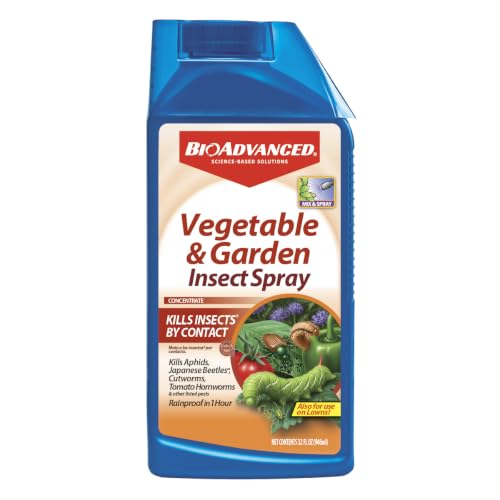
KILLS LISTED INSECTS ON CONTACT: Vegetable & Garden Insect Spray kills stink bugs, ants, ticks, fleas, mosquitos, flies, aphids, and over 70 other listed insects
Identifying Common Pests
Common pests can damage your herbs. You may notice:
- Aphids: Small, green or black insects that cluster on shoots and leaves.
- Spider Mites: Tiny, spider-like creatures that create webbing on the underside of leaves.
- Whiteflies: Small, white flying insects that gather on the underside of leaves.
- Slugs and Snails: Soft-bodied creatures that leave shiny trails and chew on leaves.
Regularly inspect your plants for signs of infestation. Catching pests early makes management easier.
Preventing Diseases
Prevent diseases by following these steps:
- Rotate Crops: Avoid planting the same herbs in the same spot each year to reduce disease buildup.
- Maintain Airflow: Space your herbs properly to improve air circulation, minimizing humidity.
- Water Early: Water your herbs in the morning to prevent moisture on leaves overnight, reducing the risk of fungal diseases.
- Remove Debris: Clear away any dead leaves or debris to prevent harboring disease spores.
Monitoring your garden closely and taking these preventive measures make a significant difference in keeping diseases at bay.
Harvesting and Storage Tips
Successfully harvesting herbs ensures freshness and flavor. Understanding the right techniques and storage methods can enhance your cooking experience.
Recommended Products

✅ Complete Ice Management System with Storage Bin: This ice cube tray with lid and bin set includes 4 silicone ice trays, 1 storage container, and a scoop. It's more than just trays—it's an organized system for making, storing, and serving ice without freezer clutter.

Premium platinum silicone for safer storage: Made from 100% food-grade platinum silicone that resists odors and staining, helping keep baby meals fresh and clean through daily use.

✔UPGRADED ICE CUBE TRAYS-Ice tray can be stacked and stored to save space, easy classification. Ice trays for freezer enjoy no-stick surface for easy cleaning. They are safe from -4°F to 140°F and please DO NOT use dishwasher cleaning, just rinse before using.
Best Practices for Harvesting
- Choose the Right Time: Harvest in the morning after the dew dries but before the sun is too strong. This timing maximizes the essential oils.
- Use Clean Tools: Always use sharp scissors or pruning shears to avoid damaging the plant. Clean tools reduce the risk of disease.
- Cut Selectively: Harvest leaves from the top third of the plant. This encourages bushier growth and does not strain the plant.
- Leave Enough Growth: Avoid cutting more than a third of the plant at once. This practice ensures the plant remains healthy and productive.
- Pick What You Need: To keep herbs fresher, only harvest what you plan to use. Frequent small harvests encourage continued growth.
- Keep Fresh Herbs Hydrated: Treat less woody herbs, like basil and cilantro, like flowers. Place them in a glass of water, cover loosely with a plastic bag, and store at room temperature for up to a week.
- Refrigerate Wisely: Store hardy herbs, such as mint and rosemary, in a sealed bag with a damp paper towel. This method keeps them fresh for longer.
- Drying for Long-Term Storage: For long-lasting storage, dry herbs by hanging small bunches upside down in a dark, dry area. Once dry, crumble and store in airtight containers.
- Freezing Herbs: Chop herbs and freeze in ice cube trays filled with water or oil. This method provides easy access to potent flavor when cooking.
- Label Your Containers: Always label dried herbs with the name and date. This practice helps you track freshness and know when to replace them.
Conclusion
Taking care of your garden herbs can be a rewarding experience. With just a little attention to their unique needs you can enjoy a flourishing herb garden that adds flavor to your meals and beauty to your space.
Remember to provide the right soil and sunlight while keeping an eye out for pests. Harvesting wisely will ensure your herbs keep growing strong.
By following these simple tips you’ll not only enhance your cooking but also create a vibrant garden that brings joy and satisfaction. Happy gardening!
Frequently Asked Questions
What types of herbs can I grow in my garden?
You can grow a variety of herbs, including basil, parsley, thyme, rosemary, mint, and chives. Each type has specific growing conditions and culinary uses, making them valuable additions to any garden.
How can I improve the soil for my herb garden?
To improve soil for herbs, use well-draining loamy or sandy soils with a pH between 6.0 and 7.0. Enrich the soil with compost or aged manure to enhance nutrients and drainage.
How often should I water my herbs?
Herbs should be watered consistently to keep the soil moist but not soggy. Aim for deep watering once or twice a week, adjusting based on weather conditions to prevent overwatering.
How much sunlight do herbs need?
Herbs typically require at least 6 to 8 hours of sunlight daily. To maximize light exposure, consider placing your herb garden in a sunny spot and utilizing reflective surfaces if growing in cooler climates.
How can I prevent pests and diseases in my herb garden?
Prevent pests and diseases by regularly inspecting plants for early detection. Maintain proper airflow, practice crop rotation, water in the morning, and remove debris to promote healthy herb growth.
What are the best practices for harvesting herbs?
Harvest herbs at the right time using clean tools. Cut selectively, leaving enough growth for the plant to continue thriving, and only pick what you need to promote further growth.
How should I store my fresh herbs?
To store fresh herbs, keep them hydrated and refrigerate hardy varieties. For long-term storage, dry herbs or freeze chopped herbs in ice cube trays. Always label containers to track freshness.

I’ve always been drawn to trees.As a kid, I spent most of my free time outside, climbing, exploring, and trying to figure out the names of the trees around me.That early curiosity eventually led me to study arboriculture and horticulture at Michigan State.Later, I completed a degree in forestry at the University of Michigan.
I’ve been working in tree care and education ever since.These days, I enjoy helping people learn more about the trees in their own backyards.How they grow, how to care for them, and why they matter.You don’t need to be an expert to appreciate trees.A little curiosity goes a long way.