Have you ever dreamed of turning your backyard into a peaceful oasis? A small water garden can transform your space into a serene retreat, bringing the soothing sounds of water and vibrant plant life right to your door.
Key Takeaways
- Space Assessment: Identify areas in your yard that get at least six hours of sunlight daily to maximize the growth of aquatic plants, and consider existing structures that might influence sunlight and shade.
- Plant Selection: Choose a variety of aquatic plants including floating, submerged, emergent, and marginal types to create a balanced ecosystem and enhance visual appeal.
- Layering and Spacing: Arrange plants in layers by height and ensure proper spacing to prevent overcrowding, which promotes healthier growth and easier maintenance.
- Water Features: Incorporate a water source like a small pond or fountain to add ambiance, ensuring it is efficiently recirculated and placed in a suitable location for plant growth.
- Regular Maintenance: Perform weekly checks to remove debris, monitor water levels, and prune overgrown plants, along with seasonal tasks to prepare your garden for changing weather.
- Decorative Elements: Add stones, pebbles, and lights to enhance the aesthetic of your water garden and create a cohesive and tranquil environment without overcrowding.
Planning Your Small Water Garden
Planning a small water garden involves thoughtful consideration of your space and its potential. Proper planning sets the foundation for a serene and functional oasis.
Assessing Your Space
Assess your available space for a water garden. Look for areas that receive at least six hours of sunlight daily, as most aquatic plants thrive in bright conditions. Measuring dimensions helps in determining the size of your water feature. Consider existing elements like trees, structures, or fencing, as they’ll influence sunlight and shade. If you have a sloped yard, think about creating a tiered design that allows water to flow gracefully.
Choosing the Right Location
Choose a location for your water garden with care. Opt for a spot that’s easily visible from your home, as it enhances your enjoyment of the water feature. Keep it away from wildlife trails or heavy foot traffic to reduce disturbances. Ensure it’s near a water source for easy filling and maintenance. If possible, select a location that offers a backdrop of plants or decorative stones, adding a natural feel to your garden. Avoid areas prone to flooding that may disrupt the garden’s layout.
Selecting Water Plants
Choosing the right water plants is essential for a thriving small water garden. These plants not only beautify your space but also support the aquatic ecosystem.
Recommended Products

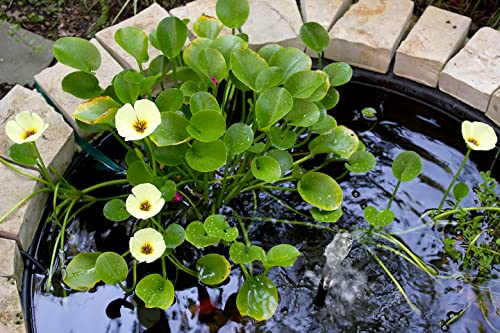
✅ FLOATING BEAUTY! Most popular floating pond plant; perfect for beginners! Glossy, succulent green leaves float beautifully on the water’s surface! Experience sporadic bursts of gorgeous lilac blooms!

LIVE PLANTS: Package includes 5 fresh water hyacinth plants (equevalent to 8 oz) with vibrant green leaves and buoyant bulbs for immediate pond use
IMPORTANT: DO NOT ORDER IF ITS TOO HOT!! Please note that during times of extreme weather, live plants will suffer due to extreme temperatures. During winter, do not order live plants when temperatures are expected to go below 20F at the lowest point during the day. During summer, avoid ordering plants when temperatures are above 100F. Additionally, these plants will get damaged if your region experiences strong cold winds.
Types of Aquatic Plants
- Floating Plants: Examples include Water Lilies and Duckweed. Floating plants provide shade and help reduce algae growth.
- Submerged Plants: Examples include Elodea and Hornwort. Submerged plants oxygenate water and provide habitat for fish.
- Emergent Plants: Examples include Cattails and Pickerel Rush. Emergent plants grow partially above water, adding vertical interest and attracting wildlife.
- Marginal Plants: Examples include Iris and Marsh Marigold. You can place marginal plants along the edges of your garden, creating a natural transition from water to land.
- Depth Considerations: Position submerged plants in deeper areas where water depth supports their growth. Typically, place these in water depths of 12 to 24 inches.
- Layering for Aesthetics: Arrange emergent and marginal plants in layers. Plant taller species toward the back or center and shorter ones near the perimeter.
- Spacing: Allow adequate space between plants for growth. Space floating plants 12 to 24 inches apart to prevent overcrowding.
- Local Climate: Consider your local climate when selecting plants. Native plants often adapt better to your area’s conditions.
By carefully selecting and placing your water plants, you can enhance the beauty and functionality of your small water garden.
Choosing the Right Features
Choosing the right features is crucial for a small water garden. Focus on creating a harmonious environment that complements your overall landscape while providing tranquility.
Recommended Products

Fountain Pump: OYO WATER fountain pump comes with 4 fountain heads so you can get different foutain looks and create beautiful decoration for your garden, pond or other indoor and outdoor landscape as your desire.

【25W Power】 Delivers strong, steady water circulation with 400GPH flow rate and 5.9FT high lift. Suitable for ponds, fountains, hydroponics, and fish tanks.

Complete Fountain Kit: The Spillway Bowl 19” and Basin 20” Fountain Kit is a comprehensive bundle, offering an easy-to-install solution that includes all the necessary components to create a stunning recirculating fountain.
Water Sources and Fountains
Consider incorporating a water source, like a small pond or fountain, to enhance your garden’s ambiance. Fountains add soothing sounds and visual interest. Choose a fountain design that fits the scale of your garden and your personal taste. For instance, tiered fountains work well in compact spaces because they maximize water flow without taking up much room. Ensure that your water source recirculates water efficiently to minimize maintenance and prevent algae growth. Remember to place it in a location that gets partial sunlight, encouraging plant growth while keeping the water cool.
Decorative Elements
Add decorative elements to elevate the beauty of your water garden. Consider using stones, pebbles, or driftwood as borders or accents around the water source. Arrange aquatic plant containers on the edges for a layered look that draws the eye. Lanterns or solar-powered lights can create a magical atmosphere in the evening. When choosing decorations, ensure they complement the natural surroundings. Maintain a balance; avoid overcrowding. Instead, aim for a cohesive design that enhances the serenity of your garden while providing a delightful view.
Maintaining Your Water Garden
Maintaining your water garden ensures its beauty and health for years. Regular care keeps plants vibrant and water clear.
Recommended Products

Contains one (1) API TAP WATER CONDITIONER Aquarium Water Conditioner 16-Ounce Bottle

Contains one (1) API STRESS COAT Aquarium Water Conditioner 16-Ounce Bottle

Contains one (1) API TAP WATER CONDITIONER Aquarium Water Conditioner 4-Ounce Bottle
Regular Care and Cleaning
Perform weekly checks on your water garden. Remove fallen leaves and debris to prevent decay and algae growth. Skim the surface with a net to keep water clean. Monitor the water level, especially in hot weather, and top it off as needed. Use a water conditioner to keep the water safe for your plants and any fish.
Prune overgrown plants monthly. Trim back dead or yellowing leaves to promote healthy growth. For floating plants, thin them out to provide space for submerged ones. Clean fountain pumps every few weeks to avoid clogs. Rinse them with fresh water and check for any wear.
Seasonal Maintenance Tips
In spring, inspect your garden for winter damage. Replant any plants that didn’t survive the cold. Fertilize your aquatic plants with a balanced fertilizer for growth. Divide overcrowded plants to promote healthy spreading.
During summer, keep an eye out for algae blooms. If blooms occur, use an algae control product that’s safe for aquatic life. Watch for pest infestations, such as aphids or snails, and treat them promptly. Adjust your fountain’s flow to create a gentle surface movement, preventing stagnation.
In fall, prepare your garden for winter. Remove decaying leaves and cut back perennials. Some plants may need to be brought indoors or covered for protection. Maintain water features by ensuring all pumps are removed and stored indoors if temperatures drop below freezing.
In winter, cover sensitive plants and check for ice formation. Clear ice occasionally to ensure light reaches submerged plants. Test water quality monthly, keeping it balanced for healthier growth come spring.
Conclusion
Creating a small water garden can truly transform your backyard into a serene retreat. With the right planning and plant selection you’ll enjoy a beautiful space that attracts wildlife and offers a peaceful escape.
Remember to maintain your garden regularly to keep it thriving through the seasons. Whether you’re relaxing by the water or enjoying the vibrant colors of your plants you’ll find that the effort you put into your water garden pays off in tranquility and beauty.
So grab your tools and start building your little oasis today. You won’t regret it!
Frequently Asked Questions
What is a water garden?
A water garden is a backyard feature that incorporates water elements like ponds or fountains, along with aquatic plants. It creates a serene environment, enhancing the beauty of your outdoor space and providing a habitat for wildlife.
How do I plan a small water garden?
Start by assessing your available space and choosing a location that receives adequate sunlight, is visible from your home, and avoids foot traffic. Consider designing tiered features for sloped yards and proximity to a water source for maintenance.
What types of aquatic plants should I choose?
Aquatic plants fall into four categories: floating (e.g., Water Lilies), submerged (e.g., Elodea), emergent (e.g., Cattails), and marginal (e.g., Iris). Selecting a mix enhances beauty and functionality while considering local climate and spacing for growth.
How do I maintain my water garden?
Regular maintenance includes weekly debris removal, monitoring water levels, and pruning plants. Seasonal care should address challenges like algae blooms in summer and checking for winter damage in spring to ensure a thriving garden year-round.
How can I enhance the beauty of my water garden?
Incorporate decorative elements like stones, pebbles, and lanterns, but maintain a cohesive layout that promotes tranquility. Consider the design’s visual harmony and avoid overcrowding to create an inviting atmosphere.
What are the benefits of a water garden?
A water garden provides a peaceful oasis in your backyard, enhances property aesthetics, attracts wildlife, and can improve mental well-being. It creates a focal point for relaxation and can be an enjoyable hobby for gardening enthusiasts.

My interest in trees started when I first saw the giant sequoias in Yosemite.I was a teenager then, and I remember thinking, “I need to learn more about this.”That moment stuck with me.A few years later, I went on to study forestry at Michigan Tech.
Since graduating, I’ve worked in a mix of hands-on tree care and community education.I’ve spent over ten years helping people understand how to plant, maintain, and protect the trees in their neighborhoods.I don’t see trees as just part of the landscape.They are living things that make a real difference in our daily lives.