Do you find yourself staring at your small garden, wondering how to make the most of it? You’re not alone. Many people struggle with limited space but still want to create a vibrant and inviting outdoor area. Arranging pots creatively can transform your garden into a lush oasis, even in tight quarters.
Key Takeaways
- Optimize Space: Small gardens can thrive with strategic pot arrangements; use larger pots at the back and smaller ones at the front for depth and visibility.
- Sunlight Awareness: Assess sunlight and shade in your garden to place sun-loving and shade-tolerant plants appropriately, ensuring optimal growth.
- Diverse Pot Materials: Utilize various pot materials—terracotta, plastic, ceramic, and metal—for visual interest and appropriate moisture retention.
- Layering Technique: Create visual balance by layering pots of different heights, placing taller pots in the back and smaller ones in the front for an inviting look.
- Seasonal Plant Choices: Optimize plant selection based on seasonal changes to maintain vibrancy, rotating arrangements to keep the garden lively throughout the year.
- Regular Maintenance: Ensure plant health through consistent watering, pest inspection, and cleanliness to sustain a vibrant potted garden.
Understanding Small Garden Spaces
Small garden spaces can still flourish with the right approach. By using effective strategies, you can create a vibrant area that feels open and inviting.
Assessing Your Garden Layout
Assess your garden’s dimensions to determine the best layout. Measure length and width to know how much space you have. Small gardens benefit from arranging pots in various heights. Position larger pots at the back or center, and use smaller pots towards the front or outer edges. This enhances visibility and creates depth. Consider flow, ensuring you can move easily between plants.
Identifying Sunlight and Shade Areas
Identify sunlight and shade areas to cater to your plants’ needs. Observe how the sun moves across your garden throughout the day. Note spots that bask in full sun and those that stay shaded. You can place sun-loving plants in bright areas and opt for shade-tolerant varieties in darker spots. This strategic placement maximizes growth and maintains plant health. Use pots to create transitional areas, adding versatility to your layout.
Choosing the Right Pots
Choosing the right pots for your small garden plays a significant role in achieving an appealing layout. The right pots can enhance the garden’s aesthetics and ensure proper growth for your plants.
Recommended Products
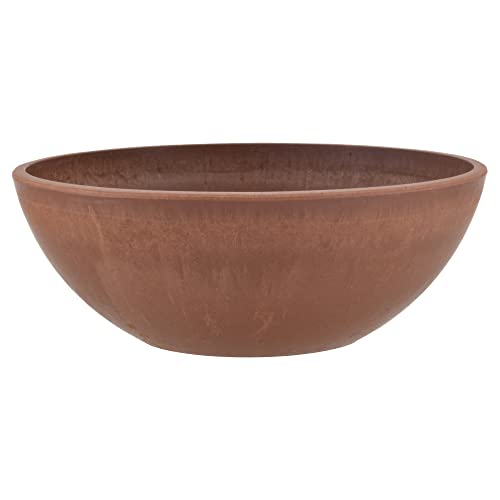
Made with Recycled Materials: A blend of recycled plastic, stone powder, and wood dust, PSW Pots are eye-catching and long-lasting for mindful gardening.
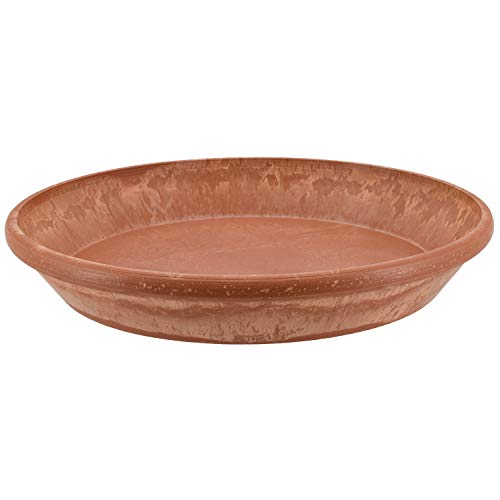
Made with Recycled Materials: A blend of recycled plastic, stone powder, and wood dust, saucers from the PSW Pot Collection are eye-catching and long-lasting for mindful gardening.
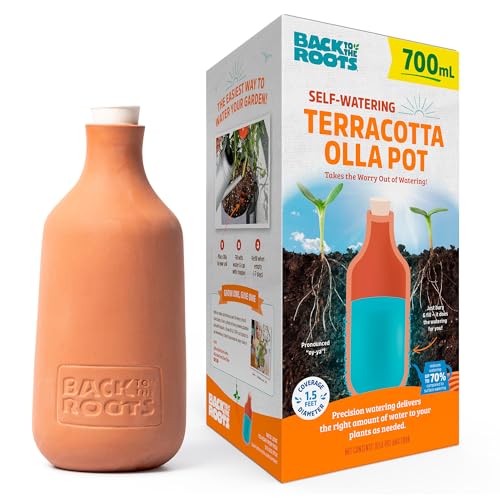
18" Diameter Coverage to support 2 large plants
Material Options for Pots
Consider different materials when selecting pots. Common options include:
- Terracotta: This classic choice is breathable, allowing moisture to escape. It’s great for drought-tolerant plants.
- Plastic: Lightweight and often less expensive, plastic pots can mimic more upscale designs. They retain moisture well, making them suitable for various plants.
- Ceramic: These pots come in many colors and designs. They’re usually heavy, adding stability, but can be less forgiving with drainage.
- Metal: Containers made of metal can be stylish yet may heat up quickly. Ensure they contain proper drainage holes to protect your plants.
Selecting pots made from multiple materials can create contrast and visual interest.
Size and Shape Considerations
Size and shape impact not only the appearance of your garden but also the health of your plants. Here are some factors to consider:
- Size: Ensure adequate space for roots. Larger plants need bigger pots, while smaller plants thrive in compact ones. A general rule is to choose pots that are at least 12 inches in diameter for medium-sized plants.
- Shape: Round pots are versatile and work well in various arrangements. Tall pots can draw the eye upward, creating the illusion of height in small spaces. Rectangular or square pots are ideal for edges and can help create clean lines in your layout.
Mixing pot sizes and shapes can add dimension to your garden, enhancing its visual appeal without overwhelming the space.
Arranging Pots for Aesthetic Appeal
Arranging pots effectively adds beauty and visual interest to your small garden. Following a few straightforward principles can enhance the overall aesthetic while maintaining a functional space.
Recommended Products

🦚【Peacock Planter】Our peacock garden bird planters come as a set of two. Big size:H29.5 x 18.1W. Small size: H22.4 x15.8W, Transform your garden into a whimsical paradise with our peacock planter!

PRACTICAL PLANTER SET - This set of 2 indoor & outdoor planter gives you more creative freedom for your different gardening needs. Ferns, pothos, ivy, and spider plants will thrive in these flower pots, you will love them adorning outdoors such as patio, yard, or garden, or enjoy them indoors in the kitchen, living room, or bathroom. Size:7.5”(Upper D)x 4.3”(Bottom D) x 5.7”(H). (Plants are not included)

Stylish Concrete Planter - Unveil a modern design boasting graceful curves and an authentic surface finish! Enhance your space's allure with this seamless, contemporary masterpiece adorned with visible pores for an enchanting touch of charm.
Creating Visual Balance
Creating visual balance involves distributing pots evenly across the garden. Place larger pots on one side and smaller ones on the opposite side. This approach ensures symmetry, making the area feel harmonious. Use colors, shapes, and textures to create flavor. For instance, if you use a bold, vibrant pot, balance it with a similarly styled pot in a different size. Avoid clustering like-size pots together to prevent monotony.
Layering for Depth and Interest
Layering pots adds depth and intrigue. Position taller pots at the back or center to create a three-dimensional view. Flank these with medium-height pots on either side and smaller pots at the front. This arrangement guides the eye through the garden. Mix vertical and horizontal elements, such as tall plants in planters beside wider pots. Using varying heights keeps the layout dynamic and visually engaging. For added interest, consider trailing plants that cascade over the edges of pots, softening the overall appearance.
Plant Selections for Pot Arrangement
Choosing the right plants is essential for a vibrant pot arrangement in a small garden. Various options exist that cater to specific aesthetic and functional needs.
Flowering vs. Foliage Plants
Flowering plants like petunias and marigolds add bursts of color, attracting pollinators and enhancing visual appeal. You can create impactful arrangements by mixing these with foliage plants, such as ferns and hostas, which provide lush greenery and texture.
- Select annuals for continuous blooms, like geraniums and impatiens.
- Choose perennials for longevity, such as daylilies and lavender.
- Incorporate foliage plants to maintain a lively look throughout the season.
- Combine flowering and foliage plants to achieve balance and depth in your pots.
This blend not only enhances the visual composition but also ensures a dynamic garden that flourishes throughout different times of the year.
Seasonal Considerations
Consider the changing seasons when selecting plants for your pots. Various plants thrive throughout spring, summer, and fall, allowing you to change arrangements as the months progress.
- Opt for spring-blooming bulbs like tulips and daffodils for early color.
- Choose summer favorites like begonias and sunflowers that can withstand heat.
- Select fall-oriented plants such as chrysanthemums and ornamental kale to extend interest.
Rotate your selections every few months for fresh visuals. Monitor local frost dates to protect sensitive plants and ensure a healthy garden throughout the year.
Maintaining Your Potted Garden
Maintaining a potted garden is essential for keeping your plants healthy and your space vibrant. Regular care enhances growth and ensures a flourishing environment.
Watering Tips for Potted Plants
Watering plays a crucial role in your potted plants’ health. Follow these tips for effective watering:
- Check Soil Moisture: Stick your finger about an inch into the soil. If it feels dry, it’s time to water.
- Water Thoroughly: Ensure water seeps out of the drainage holes. This promotes deep root growth.
- Adjust Frequency: Factors like plant type, pot size, and weather affect watering needs. In hot months, plan for more frequent watering.
- Use Proper Tools: Consider using a watering can with a narrow spout. It helps deliver water directly to the soil, minimizing splashes on leaves.
- Inspect Regularly: Check your plants weekly for signs of pests like aphids or spider mites.
- Clean Leaves: Wipe leaves with a damp cloth to remove dust and prevent infections.
- Use Organic Solutions: Introduce beneficial insects, like ladybugs, which help control pest populations.
- Apply Treatments: If pests persist, consider natural treatments like neem oil or insecticidal soap.
- Rotate Plants: Change pot locations occasionally. This disrupts pests’ familiar patterns and reduces disease spread.
Conclusion
Arranging pots in your small garden can truly transform your outdoor space into a beautiful retreat. By considering height variations and the right plant placements you can create a vibrant and inviting atmosphere. Don’t forget to mix different pot sizes and materials to add visual interest while ensuring your plants thrive.
Remember to keep an eye on your garden’s health with regular maintenance and seasonal rotations. This way you’ll not only enjoy a stunning garden but also a thriving one. With a little creativity and care your small garden can become a lush oasis you’ll love spending time in. Happy gardening!
Frequently Asked Questions
How can I maximize my small garden space?
Maximize your small garden by creatively arranging pots in varying heights. Place larger pots in the back or center and smaller pots at the front. This creates depth, enhances visibility, and allows for easy movement between plants.
What types of pots are best for small gardens?
Choose pots made from materials like terracotta, ceramic, plastic, or metal, depending on style and practicality. Ensure appropriate sizes for your plants: larger ones need bigger pots, while smaller plants thrive in compact containers. Mixing shapes and sizes can add visual interest.
How do I choose the right plants for my small garden?
Select a mix of flowering plants like petunias and marigolds, along with foliage plants such as ferns and hostas. Consider annuals for continuous blooms and perennials for longevity. Rotate plants seasonally to maintain interest and accommodate local frost dates.
What are some watering tips for potted plants?
Check the soil moisture regularly and water thoroughly when needed. Adjust your watering frequency based on plant type, weather, and pot material. Use proper tools and inspect regularly for pests to maintain plant health.
How can I maintain visual balance in my garden layout?
Achieve visual balance by distributing pots evenly across the space. Use varying colors, shapes, and textures to enhance harmony. Layer pots with taller ones at the back, medium in the middle, and smaller ones in front for a dynamic, three-dimensional look.

My interest in trees started when I first saw the giant sequoias in Yosemite.I was a teenager then, and I remember thinking, “I need to learn more about this.”That moment stuck with me.A few years later, I went on to study forestry at Michigan Tech.
Since graduating, I’ve worked in a mix of hands-on tree care and community education.I’ve spent over ten years helping people understand how to plant, maintain, and protect the trees in their neighborhoods.I don’t see trees as just part of the landscape.They are living things that make a real difference in our daily lives.