Do you find yourself avoiding your garden during the hottest parts of the day? You’re not alone. Many people struggle with creating a comfortable outdoor space that offers relief from the sun. The good news is that adding shade to your garden can transform it into a cool oasis where you can relax and enjoy nature.
In this article, you’ll discover simple and effective ways to bring shade to your garden. From planting trees and shrubs to using structures like pergolas and awnings, these tips will help you create a more inviting atmosphere. Say goodbye to sunburns and hello to a shaded retreat where you can unwind and enjoy your outdoor space all summer long.
Key Takeaways
- Importance of Shade: Adding shade significantly improves plant health, conserves water, enhances comfort for gardeners, and attracts beneficial wildlife, promoting a healthy garden ecosystem.
- Natural Shade Solutions: Planting trees, shrubs, and climbing plants can create effective shade while enhancing the visual appeal of your garden. Fast-growing species and dense foliage are particularly beneficial.
- Man-Made Shade Solutions: Structures such as pergolas, shade sails, awnings, and gazebos offer stylish options to create shaded areas, promoting relaxation and outdoor enjoyment.
- Thorough Planning: Understanding sunlight patterns in your garden is crucial for placing plants and structures effectively, ensuring maximum shade coverage where needed.
- Maintaining Shade Areas: Regular care, including appropriate plant selection, watering, fertilization, and seasonal adjustments, helps maintain a thriving shaded garden environment.
- Versatility and Functionality: Well-planned shaded zones provide multifunctional outdoor spaces, making your garden suitable for various activities like relaxing, dining, or playing.
Understanding the Importance of Shade in a Garden
Shade plays a crucial role in enhancing the comfort and aesthetics of your garden space. It protects plants, conserves moisture, and contributes to a pleasant outdoor experience. Here are key reasons why adding shade matters:
Protects Plants from Heat Stress
Plants exposed to excessive sunlight may suffer from heat stress. Heat stress can lead to wilting, scorched leaves, and reduced growth. Providing shade helps to mitigate these issues, allowing plants to thrive in cooler conditions.
Conserves Water
Shade reduces evaporation from the soil. With less direct sunlight, your garden retains moisture longer. This conservation not only benefits plants but also decreases the frequency of watering, which is especially helpful during hot months.
Enhances Comfort for Gardeners
Spending time in a shaded area makes gardening activities more enjoyable. Shade creates a relaxing environment, making it easier to work among your plants or enjoy leisure moments without excessive heat.
Improves Aesthetic Appeal
Incorporating shade elements can enhance the visual appeal of your garden. Create varied layers with trees, shrubs, or structures, bringing depth and interest to the landscape. This diversity improves overall design and makes outdoor spaces more inviting.
Encourages Wildlife Habitat
Shaded areas attract beneficial wildlife, such as birds and pollinators. These creatures frequently seek cooler spots and contribute to the health of your garden ecosystem. Promoting a shade-friendly environment can lead to increased biodiversity and natural pest control.
Provides Versatile Use of Space
Shaded zones offer flexibility in how you use your garden. You can set up seating areas, create engaging play spaces for children, or design outdoor dining spots. Utilizing shade zones effectively ensures your garden serves multiple purposes.
By incorporating shade into your garden design, you create a multifunctional, comfortable space that supports plant health and enhances your overall gardening experience.
Types of Shade Options
Adding shade to your garden can enhance comfort while protecting plants. Explore the primary options for creating shade, both natural and man-made.
Recommended Products

UP TO 87% SHADE AND UV RESISTANT: Gorilla Grip Shade Sails will transform your patio; the thick material is UV resistant and provides up to 87 percent shade; helps you stay protected and comfortable in bright sunlight

UV PROTECTION: Blocks up to 90% of harmful sun rays while allowing air circulation. This sun shade cloth lowers outdoor temperatures, creating a comfortable retreat for patios, gardens, decks, and backyards. Protect your plants, furniture, and pets from harsh sunlight.

【2-3 Years Service Life】Refuse to use recycled materials, tear resistant, high temperature resistance, glossy, safe and odorless, lightweight and durable.
Natural Shade Solutions
Planting Trees
Planting trees offers excellent shade. Choose fast-growing species like maples or oaks to establish coverage quickly. Ensure the selected trees fit well with your garden’s size and climate conditions.
Shrub Plantings
Plant shrubs along garden paths or seating areas. Dense foliage from shrubs like rhododendrons or boxwoods provides effective shade. They also create privacy while adding visual interest.
Vines and Climbing Plants
Utilizing vines on trellises or pergolas can create shaded spaces. Consider using wisteria or clematis for beautiful blooms and effective cover. They grow upward, requiring minimal ground space.
Man-Made Shade Solutions
Pergolas
Installing pergolas can create a stylish, shaded area. They allow light to filter through while providing shelter. Adding climbing plants can enhance their shade potential and aesthetics.
Shade Sails
Using shade sails offers a modern touch to outdoor areas. Available in various colors and sizes, they block UV rays while providing a striking visual element. Install them securely to withstand winds.
Awnings
Installing retractable awnings over patios or decks delivers adjustable shade. You can extend them during peak sun hours and retract them when not needed. Materials like fabric or metal ensure durability.
Gazebos
Building a gazebo creates a dedicated shaded retreat. These structures encourage relaxation and social gatherings. Furnish them with comfortable seating for optimal enjoyment on sunny days.
These options help you create a comfortable, inviting garden. Prioritize plants and structures that complement your outdoor space while meeting your shading needs.
Planning Your Garden Layout for Shade
Creating a shaded garden environment requires thoughtful planning. Consider how light and shade will interact in your space.
Recommended Products

【UV Protection & Cooling】Made of 100% brand new High Density Polyethylene material and eliminate the use of splicing fabrics.Blocks up to 95% of harmful UV rays and direct sunlight exposure."Breathable" fabric allows air to pass freely and achieve a certain degree of cooling.

UV PROTECTION: Woace retractable wave shade sails offer 95% UV protection and 90% shade for your garden, creating a cooler space. They are designed to provide a peaceful and comfortable outdoor environment that encourages you to relax and enjoy the outdoors without worry.
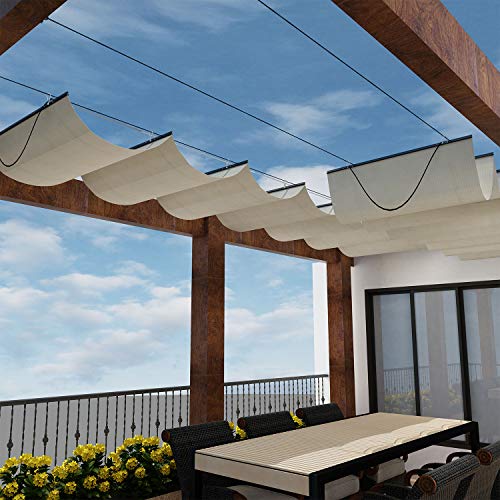
HIGH QUALITY FABRIC - Our retractable shade cover is made of high quality polyethylene, it can block most of strong sun rays but let some light get through. And it allows air to pass through with breathable fabric .
Considering Plant Placement
- Identify Sun Patterns: Observe how sunlight moves in your garden throughout the day. Note areas that receive full sun versus partial shade.
- Select Fast-Growing Trees: Choose trees like willow, birch, or red maple for quick shade. Plant these near seating areas or play zones for maximum effect.
- Position Shrubs Strategically: Place dense shrubs in spots that require extra cover. Options like holly or rhododendron can provide lush, green barriers against harsh sunlight.
- Utilize Climbing Vines: Train fast-growing vines, such as clematis or wisteria, on trellises. This adds vertical shade while enhancing your garden’s aesthetics.
- Build a Pergola: Consider a pergola for an elegant touch. This structure can be adorned with climbing plants for added shade and beauty.
- Install Shade Sails: Use modern shade sails for instant coverage. These come in various colors and sizes to suit your garden’s style.
- Opt for Retractable Awnings: If your garden has a deck, install retractable awnings. These offer flexibility in controlling sunlight, providing cover when needed.
- Incorporate Gazebos: Consider a gazebo as a focal point in your garden. This provides ample shade and serves as an inviting gathering space.
By thoughtfully planning your layout and selecting appropriate plants and structures, you can enhance the comfort and visual appeal of your garden.
Maintaining Your Shaded Areas
Maintaining shaded areas in your garden ensures a thriving, comfortable space. Consider these essential aspects to keep your garden healthy and inviting.
Recommended Products

Accurate Soil Moisture Detection: The XLUX Soil Moisture Meter can tell you if the soil deep inside your pot or garden is dry, moist or wet; whereas your eyes and fingers can only determine the moisture level of the soil surface. The probe is 5.5 inches (14 cm) longer than regular styles, allowing it to measure the soil moisture at the bottom of larger and deeper flower pots.

Kindly NOTE: This soil tester can not be applied to test pH value of any other liquid. If the soil is too dry the indicator will not move, and water it before testing.

DUAL PROBES VS. A SINGLE PROBE—WHY IT MATTERS. Typical single-probe meters read mainly from one small point in the soil, so a wet pocket or dry patch can strongly influence the result. EVO10 uses two separated stainless-steel probes to measure across a wider root-zone area, helping provide more stable and representative soil moisture readings.
Plant Care in Shaded Gardens
Choose plants that flourish in low-light conditions. Consider hostas, ferns, and astilbes as great options for shaded areas. Water these plants regularly to prevent dryness, as they may not receive as much rain or sun. Keep an eye on soil moisture and adjust watering schedules accordingly. Fertilize during the growing season to promote healthy growth and vibrant blooms. Prune any overgrown branches from surrounding trees or shrubs to maintain adequate light and air circulation for your plants.
Seasonal Adjustments
Adjust care routines as seasons change. In early spring, remove debris and dead leaves to encourage new growth. Monitor plant performance throughout the summer, especially during heatwaves. Provide additional water if the soil dries out. As autumn approaches, prepare to rake fallen leaves, which can smother shaded plants if left unchecked. During winter, consider adding mulch around plants to protect roots from freezing temperatures. By adapting your approach according to the season, you maintain a vibrant garden year-round.
Conclusion
Creating shade in your garden isn’t just about comfort; it’s about enhancing the beauty and functionality of your outdoor space. By carefully selecting plants and structures you can turn your garden into a cool retreat that invites relaxation and enjoyment.
Remember to observe the sun patterns and choose the right spots for your shade options. With a little planning and creativity your garden can thrive even in the hottest months.
So go ahead and start your shade journey today. Your garden will thank you for it!
Frequently Asked Questions
What are the benefits of adding shade to my garden?
Adding shade to your garden helps protect plants from heat stress, conserves water, and creates a more comfortable outdoor environment. It also enhances the visual appeal of your landscape, encourages wildlife, and allows for versatile uses, such as seating and play areas.
How can I create shade in my garden?
You can create shade by planting fast-growing trees, dense shrubs, and climbing vines on trellises or pergolas. Additionally, consider incorporating structures like stylish pergolas, modern shade sails, retractable awnings, or dedicated gazebos to enhance comfort and aesthetics.
What plants are best for shady areas?
Plants that thrive in shady areas include hostas, ferns, astilbes, and shade-tolerant annuals or perennials. These plants can add depth and color to your garden without requiring direct sunlight.
How should I plan my garden layout for optimal shade?
Observe sun patterns and strategically place trees, shrubs, and climbing plants to maximize shade. Consider where structures like pergolas and awnings will provide the greatest relief from the sun and enhance your garden’s beauty.
How do I maintain shaded areas in my garden?
To maintain shaded areas, choose low-light plants, water regularly, and fertilize as needed. Seasonal care includes removing debris in spring, monitoring plants in summer, raking leaves in autumn, and adding mulch in winter to protect roots and maintain health.

My interest in trees started when I first saw the giant sequoias in Yosemite.I was a teenager then, and I remember thinking, “I need to learn more about this.”That moment stuck with me.A few years later, I went on to study forestry at Michigan Tech.
Since graduating, I’ve worked in a mix of hands-on tree care and community education.I’ve spent over ten years helping people understand how to plant, maintain, and protect the trees in their neighborhoods.I don’t see trees as just part of the landscape.They are living things that make a real difference in our daily lives.