Ever wondered how thick your mulch should be for a thriving garden? You’re not alone. Many gardeners face the same dilemma, unsure if they’re using too little or too much. The right mulch thickness can make all the difference in keeping your plants healthy and your soil nourished.
Key Takeaways
- Proper mulch thickness is crucial for a healthy garden, ideally between 2 to 4 inches, depending on various factors such as plant type and climate.
- A thickness of 3 to 4 inches effectively controls weeds, while 2 to 3 inches aids in soil temperature regulation, enhancing plant resilience.
- Organic mulches enrich the soil as they decompose, while inorganic options provide durability and require less thickness.
- Over-mulching can suffocate roots and create pest problems, while under-mulching leads to weed growth and moisture loss.
- Regularly monitor and adjust mulch thickness to maintain optimal garden health and ensure ongoing plant nourishment.
Importance Of Mulch Thickness
Understanding the right thickness of mulch is essential for your garden’s health. Proper mulch thickness aids moisture retention, prevents weed growth, and regulates soil temperature.
Moisture Retention
A well-measured layer of mulch keeps moisture in the soil. Aim for a thickness of 2 to 4 inches. This depth minimizes evaporation, especially in hot weather. For example, in sandy soil, thicker mulch may be beneficial, as it helps the soil stay hydrated longer.
Weed Control
Mulch acts as a barrier against weeds. A thickness of 3 to 4 inches effectively suppresses their growth while allowing beneficial plants to flourish. Without sufficient mulch, weeds compete for nutrients and water, harming your garden’s plants.
Soil Temperature Regulation
Thick mulch helps regulate soil temperature. A layer of 2 to 3 inches provides insulation during cold months, keeping the soil warmer. In summer, it keeps the ground cooler, preventing plant stress. This temperature control contributes to a healthier growing environment for your plants.
Erosion Prevention
Proper mulch thickness prevents soil erosion. A layer of 3 inches absorbs rainfall impact, reducing soil displacement. When heavy rainfall occurs, mulch protects your soil from being washed away, preserving its structure and nutrients
Nutrient Addition
Organic mulch, such as wood chips or leaves, breaks down over time. This decomposition adds nutrients back into the soil. Maintaining an ideal thickness ensures that the mulch decomposes at the right pace, providing ongoing nourishment for your plants.
By paying attention to mulch thickness, you create a thriving garden environment that supports plant health and soil quality.
Recommended Mulch Thickness
A suitable mulch thickness promotes optimal plant growth and soil health. Generally, a layer of 2 to 4 inches provides the best results, but several factors can affect this recommendation.
Recommended Products

Includes 10lb block of Back to the Roots compressed Coconut Husk Mulch that expands to over 2 cubic feet of mulch. Use it for gardens, raised beds, pet bedding and more

100% Organic & Peat-Free: Our organix mulch mix is 100% organic & peat-free. Peat is one of Mother Nature’s most important stores of carbon. Instead of imported peat, the base of our soils is made from upcycled plant matter or wood fines from the United States!

- WATER CONSERVATION : Living mulch retains soil moisture, reducing evaporation and the need for frequent watering.
Types Of Mulch
Different types of mulch influence how thick you should apply them. Here’s a breakdown:
- Organic Mulch: Materials like wood chips, straw, or bark breakdown over time, enriching the soil. Use 2 to 4 inches for effective moisture retention and weed suppression.
- Inorganic Mulch: Stones, gravel, or landscape fabric typically remain in place longer. A thickness of 1 to 3 inches often suffices, as they don’t decompose.
- Compost Mulch: Spreading compost about 2 inches thick can enhance soil nutrients while aiding in moisture retention.
Factors Influencing Thickness
Several factors determine the ideal mulch thickness for your garden:
- Plant Type: Dense plants may require thicker layers to discourage weeds. Likewise, seedlings benefit from a lighter mulch to promote growth.
- Climate: In hotter regions, 3 to 4 inches of mulch helps with temperature regulation. In cooler climates, 2 inches may suffice to retain warmth.
- Soil Condition: Poorly draining soil may call for thicker mulch layers to prevent saturation. Conversely, well-draining soil might need less.
- Location: Areas with high moisture levels, like under trees, typically require thinner layers (around 2 inches) to allow for airflow and prevent mold growth.
Understanding these aspects helps you achieve the perfect mulch thickness, ensuring your garden thrives.
Best Practices For Applying Mulch
Applying mulch correctly enhances your garden’s health and appearance. Follow these best practices for optimal results.
Recommended Products

Perfect Small Hand Rake for Flower Beds & Tight Spaces – This compact garden rake easily cleans around flowers, shrubs, raised beds and garden edges where large rakes cannot reach.
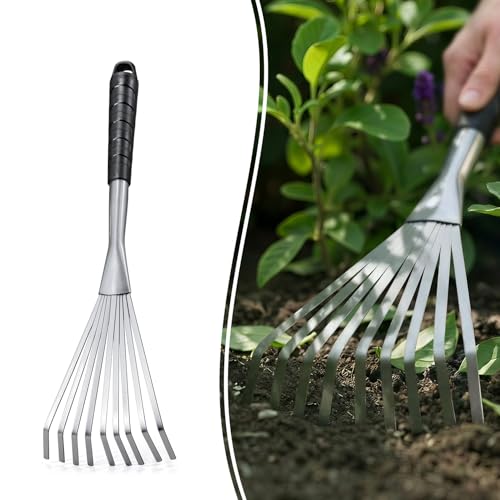
REACH WHERE FULL-SIZED RAKES CAN’T, IDEAL FOR CONFINED AREAS -- at just 16.5 inches, Colwelt hand rake excels at clearing debris from tight crevices and under low shrubs that a full-sized garden rake simply cannot reach. It allows you to weed precisely around delicate plants like hydrangeas and roses without causing damage. Perfect for use in tightly planted flower beds, borders, or containers. The compact size is also handy enough to take anywhere — toss it in your pack or keep it in the car.

Lightweight Rake,Pain-Free for Large Yards: Only 1.0lb,at half the weight of metal rakes, this plastic garden rake makes sweeping effortless- easily clearing leaves, pine needles, grass clippings, and small debris across your entire yard without straining your arms, wrists, or back. Perfectly designed for women, seniors, and kids who want to help with yard work, it's also lightweight and portable enough to take on camping trips or outdoor adventures.
Preparation Of The Garden Bed
- Clear Debris: Remove any weeds, rocks, or old mulch from the garden bed. This ensures the mulch adheres to the soil and promotes better moisture retention.
- Test Soil: Assess the soil condition. If it’s compacted, loosen it with a rake or hoe to improve water and nutrient absorption.
- Amend Soil: If needed, add organic matter such as compost to enrich the soil. This will promote healthy plant growth underneath the mulch.
- Level Surface: Smooth the soil surface. A level bed encourages even mulch distribution, preventing areas of excessive moisture or dryness.
- Measure Thickness: Apply a layer of mulch between 2 to 4 inches. Be consistent; too thick can suffocate plants while too thin won’t suppress weeds effectively.
- Avoid Mulch Contact: Keep mulch away from plant stems and tree trunks. This prevents moisture build-up that can lead to rot and disease.
- Use the Right Material: Choose mulch types based on your garden’s needs. Organic options break down and enrich the soil over time, while inorganic options offer durability.
- Water After Application: Lightly water the soil after laying down mulch. This helps settle the mulch and ensures good contact with the soil.
- Monitor Regularly: Check mulch thickness periodically. Top off mulch as needed to maintain the ideal layer, especially after heavy rains or seasonal changes.
Effects Of Over-Mulching And Under-Mulching
Over-mulching and under-mulching can harm your garden’s health and plant growth. Each scenario presents unique challenges that can negatively impact your plants.
Recommended Products

Multifunction: The felt mulch pathway is mainly used for landscaping and gardening, which can be used as a decorative addition to your outdoor garden and as a weed barrier to help you reduce yard work.

RUBBER MULCH: Rubber mulch mat deters weed growth, but allows air, nutrients and water to pass through, making your garden look tidy and gorgeous. Upgraded backing fabric included for extra weed blocking.

Upgraded Felt Tear Resistance: The upgraded non-woven fabric material is not easy to tear and will not be chipping and peeling like traditional rubber mats everywhere. There is no unpleasant odor
Over-Mulching
Over-mulching occurs when mulch exceeds 4 inches in thickness, leading to various issues:
- Soil Suffocation: A thick layer can block oxygen and water from penetrating, suffocating roots.
- Pest Problems: Excessive mulch creates a cozy environment for pests and diseases to thrive, damaging plants.
- Temperature Fluctuations: Over-mulched soil may heat up too much in summer and stay too cold in winter, affecting plant resilience.
- Decomposition Issues: Organic mulch breaking down at a slower rate may lead to nutrient lockout, limiting nutrient availability for plants.
Under-Mulching
Under-mulching involves using less than 2 inches of mulch, causing its own set of problems:
- Weed Growth: A thin layer is often insufficient to suppress weeds, allowing them to compete for resources.
- Moisture Loss: Insufficient coverage can lead to rapid moisture evaporation, stressing plants and increasing the need for frequent watering.
- Soil Erosion: Lack of adequate mulch allows soil to wash away during rain, degrading soil structure and fertility over time.
- Temperature Instability: Thin coverage fails to regulate soil temperature, leading to inconsistent conditions for plant roots.
Maintaining the right mulch thickness ensures a healthier and more productive garden. Regular monitoring allows you to adjust as needed, keeping your plants thriving.
Conclusion
Finding the right mulch thickness is key to nurturing a vibrant garden. By sticking to that 2 to 4 inches guideline you can create an environment where your plants thrive. Remember to consider factors like plant type and climate to fine-tune your approach.
Regularly checking your mulch layer will help you keep things in balance. Whether you’re dealing with heavy rains or seasonal shifts staying on top of your mulch thickness will ensure your garden remains healthy and productive. With a little attention and care your garden will flourish beautifully. Happy gardening!
Frequently Asked Questions
What is the ideal thickness of mulch for a garden?
The ideal thickness of mulch for most gardens is between 2 to 4 inches. This range helps retain moisture, suppress weed growth, and regulate soil temperature, promoting a healthy growing environment for plants.
Why is using the right amount of mulch important?
Using the correct amount of mulch is essential as it aids in moisture retention, prevents weed growth, regulates soil temperature, and contributes nutrients back to the soil when organic mulch decomposes.
What are the types of mulch and their thickness guidelines?
Mulch types include organic (like wood chips and straw), inorganic (like stones and gravel), and compost. Generally, a thickness of 2 to 4 inches is recommended, but specifics may vary based on the type of mulch and garden conditions.
What factors affect mulch thickness in a garden?
Factors include plant type, climate, soil condition, and location. These elements should guide gardeners in selecting the appropriate mulch thickness to optimize plant growth and overall soil health.
How should I prepare my garden bed before applying mulch?
Prepare your garden bed by clearing debris, testing and amending the soil if necessary, and leveling the surface. This ensures that the mulch is applied effectively and aids in optimal plant growth.
How often should I monitor mulch thickness?
Regularly monitor mulch thickness, especially after heavy rains or seasonal changes. Maintaining an ideal layer of 2 to 4 inches is crucial to ensure the health and productivity of your garden.
What are the effects of over-mulching?
Over-mulching (more than 4 inches) can lead to soil suffocation, pest problems, temperature fluctuations, and issues with decomposition, negatively impacting plant health and soil quality.
What happens if I under-mulch my garden?
Under-mulching (less than 2 inches) can result in increased weed growth, moisture loss, soil erosion, and temperature instability, which can hinder plant growth and affect garden health negatively.

My interest in trees started when I first saw the giant sequoias in Yosemite.I was a teenager then, and I remember thinking, “I need to learn more about this.”That moment stuck with me.A few years later, I went on to study forestry at Michigan Tech.
Since graduating, I’ve worked in a mix of hands-on tree care and community education.I’ve spent over ten years helping people understand how to plant, maintain, and protect the trees in their neighborhoods.I don’t see trees as just part of the landscape.They are living things that make a real difference in our daily lives.