Are pests munching on your vegetable garden? You’re not alone. Many gardeners face the challenge of keeping their plants healthy and thriving while fending off unwanted critters. Neem oil is a popular natural solution that can help protect your veggies without harsh chemicals.
Key Takeaways
- Neem oil is a natural, non-toxic pest control solution derived from the neem tree, effective against various garden pests like aphids and spider mites.
- Regular application of neem oil enhances its effectiveness; an initial spray every 7-14 days is recommended when pest problems arise.
- Factors such as pest population, weather conditions, plant growth stage, and existing diseases influence how often neem oil should be applied.
- Proper dilution is essential: mix 1-2 tablespoons of neem oil with a gallon of water and add a few drops of liquid soap for better mixing.
- Apply neem oil in the early morning or late afternoon to prevent leaf burn, and ensure thorough coverage, especially on the undersides of leaves.
- Be aware of potential risks to beneficial insects and take precautions to minimize harm by avoiding indiscriminate spraying during peak activity times.
Understanding Neem Oil
Neem oil is a natural pest control agent derived from the seeds of the neem tree. It’s known for its ability to deter various garden pests while being safe for beneficial insects, ensuring a balanced ecosystem in your vegetable garden.
What Is Neem Oil?
Neem oil is an organic oil extracted from the seeds of the neem tree (Azadirachta indica). This oil contains active compounds, primarily azadirachtin, which disrupt pests’ feeding and breeding patterns. It’s effective against aphids, spider mites, and whiteflies among others. When diluted with water and a soap emulsifier, it can be sprayed directly on plant leaves or soil.
Benefits of Neem Oil in Gardening
Neem oil offers several advantages for vegetable gardens:
- Natural Pest Control: Neem oil disrupts the life cycle of insects, reducing their populations without harming beneficial insects.
- Fungal Disease Prevention: Neem oil helps combat fungal issues like powdery mildew and root rot, providing a protective barrier.
- Non-Toxic: It’s safe for humans and pets, making it ideal for organic gardening.
- Versatility: You can use neem oil on various plants, including vegetables, fruit trees, and ornamentals.
Applying neem oil consistently enhances its effectiveness, ensuring your vegetable garden remains healthy and thriving.
How Often to Apply Neem Oil to Vegetable Garden
Applying neem oil regularly promotes a healthy vegetable garden by effectively managing pests. The frequency of application depends on various factors.
Recommended Products
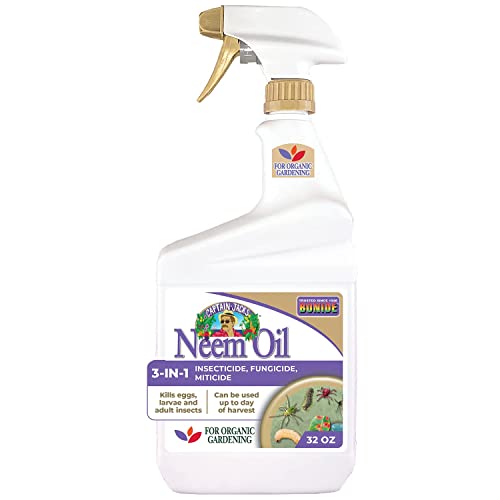
Protect your oasis with 3 garden products in 1 from Captain Jack’s; Bonide Captain Jack’s Ready-to-Use Neem Oil spray for plants is a multi-purpose fungicide, insecticide and miticide for your lawn & garden

FUNGAL DISEASE CONTROL: Prevents and controls black spot on roses, powdery mildew, rust, downy mildew, and other listed fungal diseases when applied on a 7–14 day schedule
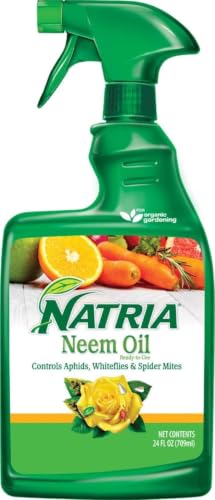
PLANT DISEASE CONTROL: Natria Neem Oil acts as an insecticide and fungicide in one convenient spray; Ready-to-use trigger sprayer requires no mixing
Factors Influencing Application Frequency
- Pest Population: If you notice a high number of pests, increase your application frequency to combat them effectively.
- Weather Conditions: Rain can wash away neem oil, so reapply after significant rainfall.
- Plant Growth Stage: Younger plants may require more frequent applications due to their vulnerability. Mature plants can handle longer intervals.
- Type of Pest: Specific pests may necessitate different frequencies. Persistent pests may need more regular treatment, while others may require less.
- Existing Disease: If fungal issues occur, increase the frequency until symptoms improve.
Recommended Application Schedule
Follow a consistent schedule for optimal results:
- Initial Application: Start with a spray every 7-14 days when problems arise.
- Maintenance: Once pests decline, switch to a bi-weekly or monthly schedule to maintain protection.
- Post-Rain Events: Reapply after heavy rain to ensure effectiveness.
- Seasonal Adjustments: Depending on the garden’s condition and pest cycles, adjust the schedule accordingly.
By understanding these factors and following a recommended schedule, you enhance the effectiveness of neem oil in your vegetable garden.
Method of Application
Applying neem oil correctly ensures maximum effectiveness against pests in your vegetable garden. Follow these guidelines for proper application.
Recommended Products

Protect your oasis with Captain Jack’s Neem Max Ready-to-Use Spray; this multipurpose product acts as a 4-in-1 insecticide, fungicide, miticide and nematicide

Gentle Plant Wash Made with Neem Oil & Peppermint Oil

Protect your oasis with Captain Jack’s Neem Max Ready-to-Use Spray; this multipurpose product acts as a 4-in-1 insecticide, fungicide, miticide and nematicide
Dilution and Mixing Guidelines
Dilution is essential for safety and effectiveness. Use the following steps for creating a neem oil solution:
- Choose neem oil: Use cold-pressed neem oil for the best results.
- Mixing ratio: Combine 1-2 tablespoons of neem oil per gallon of water. For heavy infestations, you can use the higher amount.
- Add soap: Include a few drops of mild liquid soap for better mixing. This helps the oil blend with water, allowing for an even spray.
- Shake well: Mix the solution thoroughly before use to ensure even distribution of the neem oil.
Best Practices for Application
To achieve the best results, follow these application practices:
- Timing: Apply neem oil in the early morning or late afternoon. Avoid applying during direct sunlight to prevent leaf burn.
- Coverage: Spray the entire plant, focusing on the undersides of leaves where pests often hide.
- Frequency: Repeat the application every 7-14 days, or as needed. Check plants weekly for signs of pests and adjust your schedule accordingly.
- Weather considerations: Reapply after heavy rain or watering, as water washes away neem oil.
Using these methods ensures that neem oil effectively protects your vegetable garden from pests while promoting healthy plant growth.
Potential Risks and Considerations
Using neem oil in your vegetable garden comes with certain risks and considerations. Understanding these factors helps you apply neem oil effectively while protecting the environment and your plants.
Recommended Products

PURE NEEM OIL FOR PLANTS: Neem Oil Concentrate serves as a neem oil spray for both indoor and outdoor ornamental plants. Crafted from 100% cold-pressed, top-notch organic neem oil, it provides your plants with the essential elements for a lustrous sheen

Protect your oasis with 3 garden products in 1 from Captain Jack’s; Captain Jack’s Ready-to-Use Neem Oil spray for plants is a multi-purpose fungicide, insecticide and miticide for your lawn and garden

FOR ORGANIC GARDENING - Captain Jack's NeemMax is a perfect pest control solution for any garden dealing with mites, flies, mildew, and more. This product is a four-in-one insecticide, fungicide, miticide, and nematicide.
Impact on Beneficial Insects
Neem oil affects not only harmful pests but also beneficial insects. Predators like ladybugs and lacewings can be impacted by neem oil application, especially when applied indiscriminately. To minimize harm, avoid spraying during peak activity times for these insects, typically early morning or late afternoon. Before applying, assess the presence of beneficial insects and consider targeting specific problem areas instead of widespread spraying.
Safety Precautions for Application
Taking safety precautions ensures your neem oil application is effective and risk-free. Always wear protective gloves, long sleeves, and goggles when handling neem oil to avoid skin irritation or eye contact. Store neem oil in a cool, dark place away from children and pets. When mixing, ensure you dilute the neem oil according to manufacturer instructions to prevent plant damage. Conduct a patch test on a small plant section before wide application to check for any adverse reactions.
Conclusion
Using neem oil in your vegetable garden can be a game changer for pest control. By applying it consistently and adjusting your schedule based on pest activity and weather, you can keep your plants healthy and thriving. Remember to focus on proper application techniques to maximize its benefits while being mindful of beneficial insects.
With a little patience and care, you’ll create a flourishing garden that’s not only productive but also safe for your family and the environment. So grab that neem oil and get ready to enjoy a pest-free gardening experience!
Frequently Asked Questions
What is neem oil and how does it work against pests?
Neem oil is a natural pest control agent extracted from the seeds of the neem tree. It contains azadirachtin, which disrupts pests’ feeding and breeding patterns, making it effective against insects like aphids and spider mites. It deters pests while being safe for beneficial insects, helping maintain a balanced garden ecosystem.
How often should I apply neem oil to my vegetable garden?
The frequency of neem oil application varies based on pest activity and environmental conditions. Initially, spray every 7-14 days when problems arise, then transition to bi-weekly or monthly applications as pests decline. Reapply after heavy rain for optimal results.
Is neem oil safe for humans and pets?
Yes, neem oil is generally safe for humans and pets when used correctly. Its non-toxic nature makes it a preferred alternative to harsh chemical pest control methods. However, it’s always recommended to follow application guidelines and wear protective gear during use.
Can neem oil harm beneficial insects?
Neem oil can affect beneficial insects if not applied carefully. To minimize harm, avoid spraying during peak activity times for predators such as ladybugs and lacewings. Targeting specific problem areas instead of widespread spraying can help protect these useful insects.
What are the best practices for applying neem oil?
For effective application, dilute cold-pressed neem oil with water and a few drops of mild liquid soap. Spray in the early morning or late afternoon for optimal coverage. Adjust application frequency based on pest activity, and ensure you cover all affected plant areas thoroughly.

My interest in trees started when I first saw the giant sequoias in Yosemite.I was a teenager then, and I remember thinking, “I need to learn more about this.”That moment stuck with me.A few years later, I went on to study forestry at Michigan Tech.
Since graduating, I’ve worked in a mix of hands-on tree care and community education.I’ve spent over ten years helping people understand how to plant, maintain, and protect the trees in their neighborhoods.I don’t see trees as just part of the landscape.They are living things that make a real difference in our daily lives.