Are your vegetable plants wilting under the scorching sun? In hot weather, knowing how often to water your garden can make all the difference between a thriving harvest and a disappointing yield. With temperatures rising, it’s easy to feel overwhelmed by the needs of your plants.
Key Takeaways
- Water Consistency is Crucial: Maintaining consistent soil moisture is essential for healthy root development and overall plant growth during hot weather.
- Watering Frequency Varies: Different vegetable types and soil compositions influence how often you should water. Leafy greens may need daily watering, while root vegetables can thrive with every 2-3 days of moisture.
- Assess Soil Moisture: Regularly check soil moisture levels by feeling the soil with your finger; if it’s dry an inch down, it’s time to water your plants.
- Look for Visual Cues: Signs of wilting leaves and a dry soil surface indicate your vegetable garden needs immediate watering to prevent stress.
- Deep Watering Techniques: Utilize methods like soaker hoses or drip irrigation to ensure deep, effective watering that supports strong root growth.
- Timing Matters: Water your garden during cooler hours, such as early morning or late evening, to reduce evaporation and enhance plant hydration.
Importance Of Watering In Hot Weather
Watering your vegetable garden during hot weather plays a critical role in plant health and productivity. High temperatures can lead to rapid evaporation, stressing your plants and potentially stunting growth. Here are the key reasons why watering is essential in these conditions:
Maintains Soil Moisture
Maintaining adequate soil moisture prevents roots from drying out. You want to aim for consistent moisture to promote healthy root development.
Supports Nutrient Uptake
Water facilitates nutrient absorption, allowing plants to access vital minerals. Without sufficient water, nutrient transport slows significantly, negatively impacting growth.
Reduces Stress on Plants
Providing enough water helps minimize plant stress from heat. Less stress results in healthier plants that are more resistant to pests and diseases.
Encourages Fruit Development
Water helps with the proper development of fruits and vegetables. Insufficient watering can lead to issues like blossom drop and poor fruit quality.
Promotes Stronger Plants
Regular watering strengthens plant structures. Stronger plants can withstand harsh conditions better and produce higher yields.
In hot weather, check soil moisture frequently. Use methods like the finger test—insert your finger an inch into the soil. If it feels dry, it’s time to water. Adjust your watering routine as needed to keep your garden thriving.
Factors Affecting Watering Frequency
Several factors influence how often you should water your vegetable garden in hot weather. Understanding these elements helps you maintain optimal plant health and moisture levels.
Recommended Products
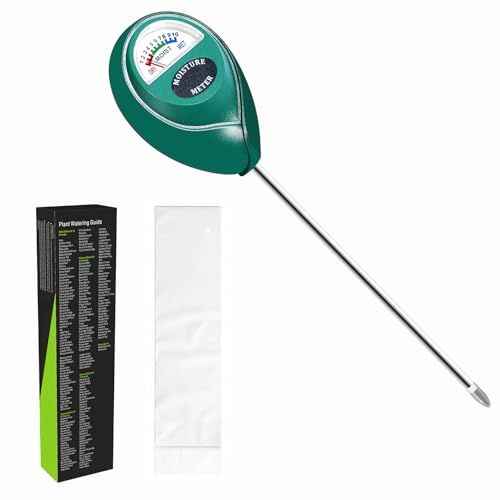
Trusted Since 2015: Become one of the many plant lovers who rely on the proven accuracy of XLUX. Established in 2015, our soil moisture meter has earned over 60,000+ verified ratings for its consistent performance. While many many newer brands come and go, we provide the long-term reliability and quality that American households have trusted for over a decade.

Kindly NOTE: This soil tester can not be applied to test pH value of any other liquid. If the soil is too dry the indicator will not move, and water it before testing.

【4 in 1 function】This is a 4-in-1 multifunctional soil tester.Our soil tester fastly to measure soil moisture, pH, temperature and sunlight to help you take better care of flowers and plants.You can know when you need to water your soil by measuring moisture and pH & Temperature value of the soil and sunlight level of plants with it.
Plant Type
Different vegetable types have varying water needs. Lettuce and spinach prefer consistently moist soil, while tomatoes and peppers tolerate brief dry spells. Identify your plants and their specific requirements. For instance:
- Leafy Greens: Water daily in hot conditions to prevent wilting.
- Root Vegetables: Water every 2-3 days, as they require more moisture for growth.
- Fruit-Bearing Plants: Water deeply 2-3 times a week to promote strong root systems.
Soil Composition
Soil type significantly impacts water retention. Sandy soils drain quickly, requiring more frequent watering. Clay soils retain moisture but can compact, preventing water penetration. Consider these soil types:
- Sandy Soil: Water every other day in hot weather.
- Loamy Soil: Water 2-4 times a week, depending on rain.
- Clay Soil: Water less frequently, about once every 5-7 days, but in larger amounts.
Weather Conditions
Weather variances can dictate watering frequency. Higher temperatures and windy days increase evaporation and plant stress, necessitating more water. Evaluate these conditions:
- High Temperatures: Increase watering frequency to prevent heat stress.
- Humidity: Less water may be required on humid days since evaporation rates decrease.
- Rainfall: Adjust your schedule based on recent precipitation; dry spells require prompt watering reminders.
By considering these factors, you can tailor your watering practices to suit your vegetable garden’s specific needs in hot weather.
Signs Your Vegetable Garden Needs Watering
Recognizing when your vegetable garden needs watering is essential, especially in hot weather. Watch for the following signs to ensure your plants thrive.
Recommended Products
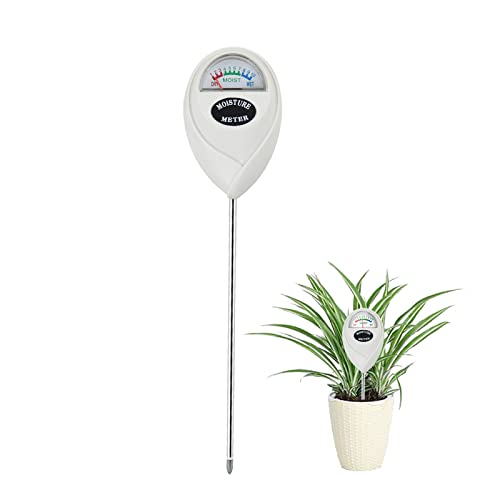
【SAVE YOUR PLANTS】: Over watering can cause problems with your plants or even kill them. This soil moisture meter helps you know the soil is dry, moist or wet.No more over watering!

Accurate Soil Moisture Detection: The XLUX Soil Moisture Meter can tell you if the soil deep inside your pot or garden is dry, moist or wet; whereas your eyes and fingers can only determine the moisture level of the soil surface. The probe is 5.5 inches (14 cm) longer than regular styles, allowing it to measure the soil moisture at the bottom of larger and deeper flower pots.

【NO MORE GUESSWORK】:Ever wonder if your plants need watering or not? You need this soil moisture meter to help you eliminate the guesswork. Don’t want to stick your finger into the soil to test for moisture, you need this this soil meter to help you.
Wilting Leaves
Wilting leaves are a clear signal your plants need water. When leaves droop or become limp, it often indicates a lack of moisture. Check if the leaves are turning yellow or browning at the edges, which can also signify stress. Providing water promptly can revive your plants and help them recover.
Dry Soil Surface
A dry soil surface often suggests that your garden requires watering. Use your fingers to dig into the soil about an inch deep. If the soil feels dry and crumbly, it’s time to water. Look for cracks forming in the soil, which also indicates a need for moisture. Consistent checks help maintain proper hydration and keep your plants healthy.
Best Practices For Watering
Understanding best practices for watering ensures your vegetable garden thrives in hot weather. Follow these guidelines to keep your plants hydrated and healthy.
Deep Watering Techniques
Deep watering saturates the soil and encourages strong root growth. Aim for watering sessions that reach at least 6-12 inches deep. Use these techniques:
- Soaker Hoses: Lay soaker hoses on the soil surface. They deliver a slow, steady stream of water directly to the roots.
- Drip Irrigation: Install a drip irrigation system. This method minimizes water waste and targets the root zone effectively.
- Watering Cans: For smaller gardens, use a watering can. Pour water slowly around the base of each plant, allowing it to seep into the soil.
- Adjusting Hose Flow: If using a standard hose, adjust the water flow. Water should drip gently rather than spray, reducing evaporation.
Timing your deep watering sessions is crucial. Water early in the morning or late in the evening to prevent evaporation and reduce stress on plants.
Timing Your Watering
Choosing the right time to water helps maximize hydration while conserving water. Here are key tips for timing:
- Morning Watering: Water during the cooler morning hours. This practice allows moisture to soak into the soil before the day’s heat sets in.
- Avoid Midday: Skip watering during the hottest part of the day. Sunlight can evaporate much of the water before it benefits the plants.
- Evening Watering: If mornings aren’t feasible, consider evening watering. Ensure that plants dry off before nightfall to reduce mold risk.
- Adjust for Rain: Monitor weather forecasts. If rain is expected, you can skip your scheduled watering to prevent oversaturation.
By sticking to these practices, your vegetable garden will stay healthy and productive during hot weather. Regular adjustments based on specific conditions ensure your watering routine meets your plants’ needs effectively.
Conclusion
Keeping your vegetable garden thriving in hot weather can be a challenge but it’s definitely doable with the right approach. By paying attention to your plants’ specific needs and monitoring soil moisture regularly you can ensure they get just the right amount of water.
Remember to adjust your watering routine based on factors like plant type and soil composition. Using deep watering techniques and choosing the right time of day can make all the difference. With a little care and attention your garden can flourish even in the heat, leading to a bountiful harvest that you can be proud of. Happy gardening!
Frequently Asked Questions
How often should I water my vegetable plants during hot weather?
In hot weather, watering frequency depends on the plant type. Leafy greens typically need daily watering, while root vegetables require watering every 2-3 days. For fruit-bearing plants, deep watering 2-3 times a week is recommended. Always check soil moisture to adjust your routine.
What are the signs that my vegetable garden needs watering?
Key signs include wilting leaves, a dry soil surface, yellowing or browning leaves, and cracks in the soil. Regularly monitoring these indicators helps maintain proper hydration and ensures the health of your plants.
What factors influence how often I should water my garden?
Factors include plant type, soil composition, and current weather conditions. Different vegetables have varying water needs, and soil types can affect moisture retention. High temperatures and humidity levels also dictate your watering schedule.
What watering techniques are best for maintaining vegetable plants in heat?
Deep watering is essential. Techniques like using soaker hoses, drip irrigation systems, or watering cans are effective. Water early in the morning or late in the evening to prevent evaporation and reduce plant stress.
Why is proper watering important for vegetable plants in hot weather?
Proper watering maintains soil moisture, supports nutrient uptake, reduces plant stress, encourages fruit development, and promotes stronger plants. It’s crucial for ensuring a successful harvest during high temperatures.

My interest in trees started when I first saw the giant sequoias in Yosemite.I was a teenager then, and I remember thinking, “I need to learn more about this.”That moment stuck with me.A few years later, I went on to study forestry at Michigan Tech.
Since graduating, I’ve worked in a mix of hands-on tree care and community education.I’ve spent over ten years helping people understand how to plant, maintain, and protect the trees in their neighborhoods.I don’t see trees as just part of the landscape.They are living things that make a real difference in our daily lives.