Have you ever stood in front of your flower garden, wondering if you’re giving those blooms enough water? You’re not alone. Many gardeners struggle with finding the right balance between keeping their flowers hydrated and avoiding overwatering.
Key Takeaways
- Understand Watering Needs: Recognize factors like soil type, plant type, sunlight exposure, temperature, humidity, and growth stage to determine how often to water your flower garden.
- Seasonal Adjustments: Adapt your watering frequency with the seasons—more in spring and summer, less in fall and winter, while monitoring rainfall and soil moisture.
- Best Practices: Water in the morning or early evening to minimize evaporation and fungal diseases; employ techniques like soaker hoses, drip irrigation, or sprinklers for efficient watering.
- Identify Watering Issues: Look for signs of underwatering (wilting leaves, dry soil) or overwatering (yellowing leaves, soggy soil) to adjust your practices accordingly.
- Stay Adaptable: Regularly reassess your watering schedule based on changing weather conditions and use soil moisture sensors to ensure optimal hydration without guesswork.
Understanding Watering Needs
Watering your flower garden requires attention to various factors. Recognizing these elements helps determine how often you should water your plants.
Factors Affecting Watering Frequency
- Soil Type: Sandy soils drain quickly. You may need to water more often. Clay soils retain moisture. Less frequent watering applies here.
- Plant Type: Different flowers have unique hydration needs. Drought-tolerant varieties require less water, while tropical plants thrive on consistent moisture.
- Sunlight Exposure: Areas with full sun dry out faster. Water these spots more regularly. Shady areas need less frequent watering.
- Temperature and Humidity: Hot, dry conditions increase evaporation. During these times, increase watering frequency. Cool, humid weather may necessitate less.
- Growth Stage: New plants need more water as they establish roots. Mature plants may require reduced hydration.
- Spring: As temperatures rise, start watering more frequently. New growth signals a higher demand for moisture.
- Summer: This is typically the hottest season. Water deeply and consistently, aiming for 1 to 2 inches per week.
- Fall: Gradually reduce watering as temperatures drop. Monitor rainfall and adjust accordingly.
- Winter: Many plants enter dormancy. Water only when the soil dries out significantly.
Monitoring these factors ensures your flower garden receives the right amount of water, promoting healthy growth and vibrant blooms.
Best Practices for Watering
Effective watering enhances the health and beauty of your flower garden. Implementing best practices ensures your plants thrive throughout the growing season.
Morning vs. Evening Watering
Watering your garden in the morning provides the best results. Morning watering allows plants to absorb moisture before the heat of the day. Watering during cooler temperatures reduces evaporation, ensuring more moisture reaches plant roots. If morning isn’t an option, consider watering in the early evening. Evening watering, however, may lead to fungal diseases if plants remain wet overnight. Aim to water when temperatures are lower and avoid the midday sun.
Watering Techniques
Employ effective watering techniques to maximize absorption and minimize waste.
- Soaker Hoses: Use soaker hoses to deliver water directly to the soil. This method reduces evaporation and directs water to the root zone.
- Drip Irrigation: Install a drip irrigation system to control the flow of water. It provides consistent moisture and is efficient for larger gardens.
- Watering Cans: Use watering cans for smaller or delicate areas. This technique allows precise application without disturbing plants.
- Sprinklers: Utilize sprinklers for larger flower beds. Set timers to optimize watering schedules and avoid overwatering.
Monitor the soil moisture before watering. Simple finger tests can indicate whether the soil feels dry an inch below the surface. Adjust your techniques based on weather conditions and plant needs to ensure optimal hydration for your flower garden.
Signs of Under or Overwatering
Recognizing signs of under or overwatering helps maintain a healthy flower garden. Pay attention to your plants for visual cues that indicate their watering needs.
Recommended Products
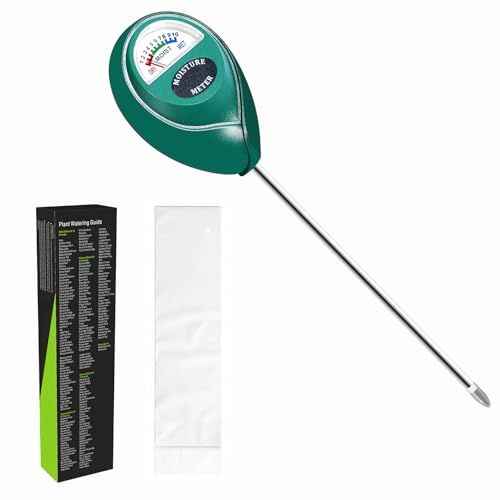
Trusted Since 2015: Become one of the many plant lovers who rely on the proven accuracy of XLUX. Established in 2015, our soil moisture meter has earned over 60,000+ verified ratings for its consistent performance. While many many newer brands come and go, we provide the long-term reliability and quality that American households have trusted for over a decade.

Accurate Soil Moisture Detection: The XLUX Soil Moisture Meter can tell you if the soil deep inside your pot or garden is dry, moist or wet; whereas your eyes and fingers can only determine the moisture level of the soil surface. The probe is 5.5 inches (14 cm) longer than regular styles, allowing it to measure the soil moisture at the bottom of larger and deeper flower pots.
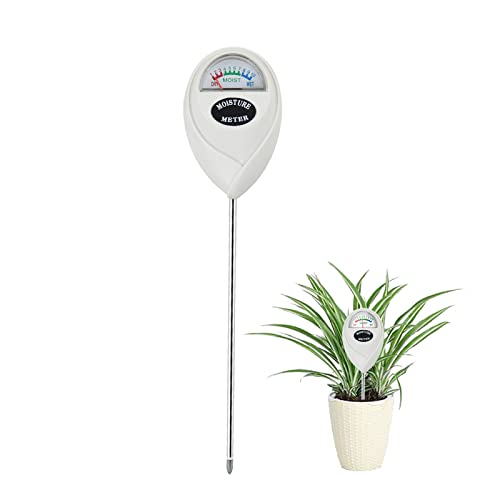
【SAVE YOUR PLANTS】: Over watering can cause problems with your plants or even kill them. This soil moisture meter helps you know the soil is dry, moist or wet.No more over watering!
Recognizing Underwatered Plants
- Leaves appear wilted: A significant sign of underwatering is droopy or limp leaves. Check them closely; they may feel dry to the touch.
- Leaf edges turn brown: Dry leaf edges indicate insufficient moisture. This often starts at the tips and progresses inward.
- Soil feels dry: Stick your finger about an inch into the soil. If it feels dry, it’s time to water your plants.
- Stunted growth: Underwatered plants may exhibit slow growth, with fewer blooms than expected.
- Leaves yellow: Yellowing leaves commonly indicate overwatering. They may fall off or develop soft spots.
- Soil remains soggy: If the soil stays wet for long periods, you’re likely overwatering. The soil should drain well between watering sessions.
- Fungal growth: Mold or mildew on the soil surface suggests excess moisture. This can lead to root rot.
- Root issues: Check for a foul odor around the roots. An unpleasant smell signals rotting roots due to being submerged in water.
By monitoring these signs, you can adjust your watering practices to support your flower garden’s health.
Adjusting Watering Schedule
Adapting your watering schedule to changing conditions enhances your flower garden’s health. Regularly assessing factors like weather and soil moisture leads to better hydration practices.
Adapting to Weather Conditions
Adjust your watering frequency based on current weather. During hot, dry spells, increase watering to provide adequate moisture. Aim for thorough watering every few days. Conversely, during rainy periods, reduce watering to prevent root rot. Keep an eye on forecasted rain; adjust accordingly to avoid overwatering.
Using Soil Moisture Sensors
Soil moisture sensors offer a smart solution for monitoring hydration levels. Insert these sensors into your garden’s soil to track moisture. When the reading drops below an optimal level, it’s time to water. These tools benefit busy gardeners by providing actionable insights, ensuring your flowers get the right amount of moisture without guesswork.
Conclusion
Finding the right balance for watering your flower garden can make all the difference in keeping your blooms healthy and vibrant. By paying attention to the unique needs of your plants and adjusting your watering routine with the seasons, you’ll create a thriving environment.
Don’t forget to observe the signs your plants give you—whether they need a little more moisture or if you’re overdoing it. With a bit of practice and the right tools, you’ll be well on your way to a beautiful garden that flourishes all season long. Happy gardening!
Frequently Asked Questions
How can I tell if my flower garden needs water?
Check for signs like wilting leaves, dry soil, or stunted growth to determine if your garden is underwatered. On the other hand, if you notice yellowing leaves and soggy soil, you may be overwatering. Monitoring these visual cues will help you maintain optimal hydration for your plants.
What watering frequency should I follow in different seasons?
In spring and summer, increase watering frequency to support growth. Gradually reduce it in the fall as plants prepare for dormancy, and water sparingly in winter to prevent root rot. Adjust your schedule based on weather conditions for the best results.
What are the best times to water my flower garden?
The best time to water is early morning, allowing plants to absorb moisture before the heat of the day. Alternatively, you can water in the early evening, but avoid late watering to prevent fungal diseases that thrive in damp conditions.
Which watering techniques are most effective?
Consider using soaker hoses or drip irrigation systems for consistent moisture. Watering cans can target delicate areas, while sprinklers are great for larger flower beds. Adapt your technique based on the specific needs of your plants and garden layout.
How can I monitor soil moisture effectively?
You can test soil moisture by inserting your finger about an inch into the soil. If it feels dry, it’s time to water. Additionally, soil moisture sensors are useful tools for providing accurate readings and preventing over or underwatering in your garden.

My interest in trees started when I first saw the giant sequoias in Yosemite.I was a teenager then, and I remember thinking, “I need to learn more about this.”That moment stuck with me.A few years later, I went on to study forestry at Michigan Tech.
Since graduating, I’ve worked in a mix of hands-on tree care and community education.I’ve spent over ten years helping people understand how to plant, maintain, and protect the trees in their neighborhoods.I don’t see trees as just part of the landscape.They are living things that make a real difference in our daily lives.