Do you ever wonder if you’re watering your garden too much or not enough? It’s a common dilemma for many gardeners. Overwatering can drown your plants while underwatering can leave them thirsty and struggling to thrive. Finding the right balance is key to a vibrant garden.
Key Takeaways
- Optimal Watering Timing: Water early in the morning or late in the afternoon to reduce evaporation and ensure soil moisture retention.
- Understand Plant Needs: Different plant types require varying moisture levels; succulents need less frequent watering compared to tropical plants.
- Soil Type Matters: Sandy soils dry out quickly and need more frequent watering, whereas clay soils retain moisture longer and require less.
- Monitor Soil Moisture: Regularly check soil dampness with your finger or a moisture meter to avoid overwatering or underwatering.
- Seasonal Adjustments: Adjust your watering schedule based on seasonal changes and weather conditions to meet your garden’s needs effectively.
- Use Efficient Techniques: Implement mulching and rainwater harvesting to conserve water and promote garden health.
Understanding The Importance Of Watering Your Garden
Watering your garden isn’t just about keeping plants alive; it directly impacts their growth and health. Plants rely on water for various essential processes, including photosynthesis and nutrient absorption. Proper watering promotes strong root development and sturdy growth.
Underwatering can lead to stressed plants. Signs of stress include wilting leaves, dry soil, and stunted growth. If plants look droopy, check the soil moisture. It should feel consistent, not too dry or overly saturated. On the other hand, overwatering often results in root rot and a decline in plant health. Always ensure proper drainage.
Consider these factors when planning your watering routine:
- Plant Types: Different plants have different moisture requirements. Succulents prefer dry conditions, while tropical plants thrive in moisture.
- Soil Type: Sandy soil drains quickly and may require more frequent watering. Clay soil retains moisture longer and needs less frequent watering.
- Weather Conditions: Hot, windy days increase evaporation. Adjust your watering schedule during dry spells or after heavy rain.
To effectively water your garden, follow these tips:
- Water early in the morning or late in the afternoon. This reduces evaporation and ensures the soil retains moisture.
- Deep soak your plants, allowing water to reach the roots. Use a soaker hose or drip irrigation for efficiency.
- Mulch around your plants. This helps retain soil moisture and suppress weeds.
Monitoring soil moisture can guide your watering practice. Use your fingers or a moisture meter to check the soil’s dampness. Adjust your watering frequency based on the season. For example, increase watering during summer heat and decrease it in cooler months.
A balanced watering routine leads to a vibrant garden, supporting plant health and growth.
Factors Influencing Watering Frequency
Watering frequency depends on various factors affecting your garden’s needs. Understanding these elements helps you provide the right amount of water for your plants.
Recommended Products

Accurate Soil Moisture Detection: The XLUX Soil Moisture Meter can tell you if the soil deep inside your pot or garden is dry, moist or wet; whereas your eyes and fingers can only determine the moisture level of the soil surface. The probe is 5.5 inches (14 cm) longer than regular styles, allowing it to measure the soil moisture at the bottom of larger and deeper flower pots.

Kindly NOTE: This soil tester can not be applied to test pH value of any other liquid. If the soil is too dry the indicator will not move, and water it before testing.
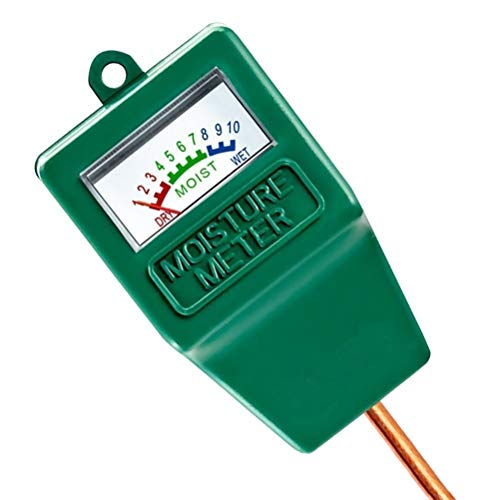
Soil Moisture Meter: This single probe soil moisture meter is specially designed for testing the moisture level in the soil, helps you decide whether the plants need water or not, helps to keep plants alive.
Climate Considerations
Climate plays a crucial role in watering frequency. Hot, dry conditions cause soil to dry out faster, requiring more frequent watering. In contrast, cooler, humid climates retain moisture longer, reducing the need. For instance, in summer, you might water daily, while in winter, once a week may suffice. Always adjust based on local temperature and humidity levels.
Soil Type
Soil type significantly impacts water retention. Sandy soils drain quickly, necessitating more frequent watering. Clay soils hold moisture longer, which means you water less often. For example, if you garden in sandy loam, monitor moisture frequently. In clay-rich areas, check the soil every few days to avoid overwatering.
Plant Variety
Different plants have unique watering needs. Succulents and drought-resistant species prefer less frequent watering, while ferns and leafy vegetables require regular moisture. As a general guideline, check the specific needs of your plants. For instance, flowering annuals might thrive with weekly watering, while tropical plants may need it every few days. Understanding your plants ensures they receive just the right amount of water.
Signs Your Garden Needs Watering
Understanding when to water your garden is crucial for its health. Here are key signs that indicate your garden requires watering.
Wilting Leaves
Wilting leaves are a clear signal your plants need water. When plants don’t get enough moisture, their leaves lose turgor pressure and start to droop. This often affects the oldest leaves first. If you notice lower leaves turning yellow and wilting, it’s time to hydrate your garden.
Soil Dryness
Check the soil to assess its moisture level. Stick your finger about an inch into the soil. If it’s dry at that depth, your plants need water. Dry soil becomes hard and crumbly, making it difficult for roots to absorb nutrients. This condition can lead to stress for your plants, so give them a drink as soon as possible.
Incorporating these checks into your routine can help maintain your garden’s health by ensuring your plants stay hydrated and vibrant.
Recommended Watering Schedule
A consistent watering schedule ensures your garden thrives. You’ll need to adjust your routine based on several factors.
Recommended Products
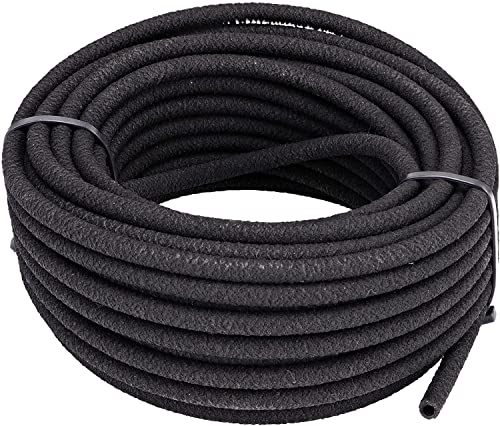
Slowly waters the soil around your plants for complete root zone hydration; Ideal for short runs on flat surfaces, such as vegetable gardens, borders, and around small plants

Save 80% Water: This flat soaker hose penetrates water through numerous tiny holes in a fine and even manner, directly delivering water to the roots of plants. This reduces evaporation and loss. Compared to traditional hoses, garden hose can save 80% water

Water-Saving Efficiency: Delivers slow, steady water directly to plant roots, minimizing evaporation and runoff for eco-friendly gardening.
Seasonal Variations
Adapting your watering schedule to seasonal changes is essential. During spring, plants actively grow, requiring more water—around 1 to 2 inches per week. In summer, increase this to 2 to 3 inches, especially in hot climates. Fall typically sees decreased water needs as plants slow down. Winter often requires minimal watering, depending on the climate; check soil moisture before watering to avoid over-saturation. Adjust your schedule based on weather patterns; for instance, reduce watering during rainy periods.
Time Of Day For Watering
Watering at the right time maximizes absorption. Early morning, between 6 AM and 10 AM, is ideal; cooler temperatures reduce evaporation. Late afternoon, from 4 PM to 6 PM, also works but avoid nighttime watering, as it promotes fungal diseases. Consider using a soaker hose or drip irrigation to deliver water directly to roots, minimizing waste and maximizing efficiency. Regularly check moisture levels to fine-tune your timing, ensuring you meet your plants’ needs.
Tips For Efficient Watering
Efficient watering techniques can help maintain your garden’s health while conserving water. Here are a couple of effective methods you can implement.
Recommended Products

Enhanced Protection: Our 2 pcs 6 inch rain barrel screen features a double-layer mesh design that effectively prevents leaves and other unwanted debris from contaminating your rainwater collection, ensuring cleaner, more reliable water

Practical Mesh Cover: Our mesh covers for rain barrel are designed with fine mesh and drawstring, which is practical and flexible. The rain barrel screen can prevent leaves, debris and other small objects from falling into the rain barrel

【6 INCH RAIN BARREL SCREEN】Our rain barrel filter is suitable for 6-inch holes and is perfect for most rain barrels. Helps reduce water waste by enabling efficient rainwater harvesting while keeping contaminants out, promoting sustainable water usage.
Using Mulch
Using mulch effectively conserves soil moisture and reduces evaporation. Organic mulch options include wood chips, straw, and grass clippings. Apply a layer about 2 to 4 inches thick around your plants while avoiding direct contact with stems. This practice helps regulate soil temperature, suppress weeds, and enrich the soil as the mulch decomposes. Remember to replenish mulch each season to maintain its benefits.
Rainwater Harvesting
Rainwater harvesting is an eco-friendly way to water your garden. Set up rain barrels under gutters to collect rainwater during storms. Use this collected water to irrigate your plants, ensuring you check the barrel frequently for necessary water levels. This method not only saves money on water bills but also provides your plants with clean, chlorine-free water. Make sure to install a fine mesh screen to prevent debris and insects from contaminating the water.
Conclusion
Finding the right watering routine for your garden can make all the difference. By paying attention to your plants’ needs and the specific conditions of your garden, you’ll create a thriving environment. Remember to check soil moisture regularly and adjust your watering schedule based on the seasons and weather.
Using techniques like mulching and rainwater harvesting not only helps your plants but also conserves water. With a little observation and care, you can ensure your garden remains vibrant and healthy. Happy gardening!
Frequently Asked Questions
What are the signs of overwatering plants?
Overwatering can lead to root rot and other problems. Signs include yellowing leaves, wilting despite wet soil, and a sour or musty smell from the soil. If you notice any of these symptoms, it’s essential to adjust your watering routine immediately.
How can I tell if my plants need water?
Check for wilting leaves, dry soil, or soil hardness. Insert your finger about an inch deep into the soil; if it feels dry, it’s time to water. Regular checks ensure your plants remain hydrated and healthy.
What factors influence watering frequency?
Watering frequency depends on plant types, soil types, and weather conditions. For example, sandy soils dry out faster than clay soils, and hot, dry climates require more frequent watering compared to humid, cooler ones.
How much water do plants need in different seasons?
In spring, plants typically require 1 to 2 inches of water per week, increasing to 2 to 3 inches in summer. Fall and winter needs decrease, so adjust accordingly to maintain optimal moisture levels.
What are some efficient watering techniques?
Consider watering early in the morning to minimize evaporation, using mulch to retain moisture, and implementing soaker hoses or drip irrigation systems for efficient water delivery.
How does mulch benefit my garden’s hydration?
Mulch conserves soil moisture, regulates temperature, and suppresses weeds. Applying a 2 to 4-inch layer around plants can significantly reduce watering needs while also enriching the soil as it breaks down.
When is the best time to water plants?
The best time to water is in the early morning. This allows water to soak into the soil before the day heats up, reducing evaporation and helping plants absorb moisture more effectively.
Can I use rainwater for my garden?
Yes! Harvesting rainwater in barrels provides plants with clean, chlorine-free water. Ensure to place a fine mesh screen over barrels to prevent contamination, making it a sustainable choice for irrigation.

My interest in trees started when I first saw the giant sequoias in Yosemite.I was a teenager then, and I remember thinking, “I need to learn more about this.”That moment stuck with me.A few years later, I went on to study forestry at Michigan Tech.
Since graduating, I’ve worked in a mix of hands-on tree care and community education.I’ve spent over ten years helping people understand how to plant, maintain, and protect the trees in their neighborhoods.I don’t see trees as just part of the landscape.They are living things that make a real difference in our daily lives.