Are you wondering how often to water your vegetable garden? It’s a common concern for both new and experienced gardeners alike. Too much or too little water can make a big difference in the health of your plants.
Key Takeaways
- Understand Plant Needs: Different vegetable types have unique watering requirements influenced by factors like climate, soil type, and sun exposure. Adjust your schedule accordingly to keep them healthy.
- Water Timing: Watering early morning or late afternoon prevents evaporation and promotes moisture absorption. Avoid nighttime watering to reduce the risk of fungal diseases.
- Watering Techniques: Utilize methods like drip irrigation or soaker hoses for efficient watering. Deep, infrequent watering promotes stronger root growth.
- Monitor for Stress Signs: Recognize signs of underwatering (wilting leaves, brown edges) and overwatering (leaf drop, stunted growth) to adjust watering practices promptly.
- Seasonal Adjustments: Adapt your watering routine based on seasonal changes, increasing frequency during summer heat and reducing it in fall or rainy seasons.
- Drought Preparedness: Use drought-resistant plant varieties and implement water conservation techniques, such as mulching and deep watering, to ensure garden health in dry conditions.
Understanding Watering Needs
Understand the watering needs of your vegetable garden to promote healthy growth. Factors like climate, soil type, and crop species influence how often you should water.
Recommended Products

Accurate Soil Moisture Detection: The XLUX Soil Moisture Meter can tell you if the soil deep inside your pot or garden is dry, moist or wet; whereas your eyes and fingers can only determine the moisture level of the soil surface. The probe is 5.5 inches (14 cm) longer than regular styles, allowing it to measure the soil moisture at the bottom of larger and deeper flower pots.
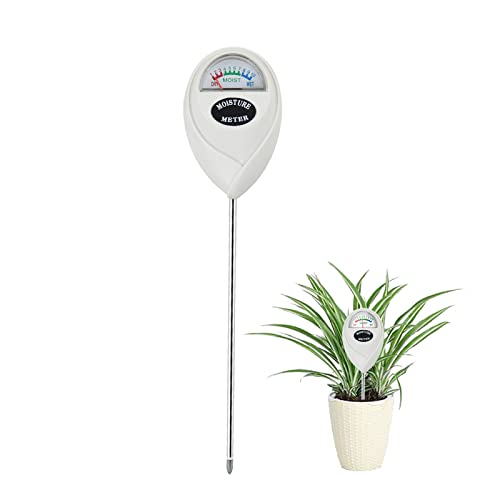
【SAVE YOUR PLANTS】: Over watering can cause problems with your plants or even kill them. This soil moisture meter helps you know the soil is dry, moist or wet.No more over watering!
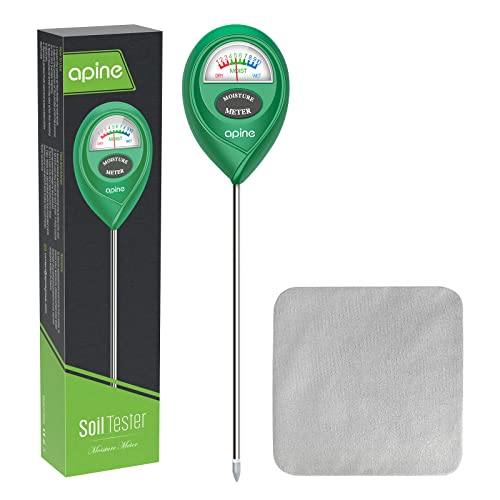
Quick Measurement:Just insert the probe of the plant water meter into the soil about two to four inches,wait a few seconds,you can get the soil moisture immediately.The color division of the dial is simple and clear,and the elderly can easily use it
Factors Affecting Water Frequency
- Climate: Hot, dry weather demands more frequent watering. In contrast, cooler, humid conditions may allow for less.
- Soil Type: Sandy soils drain quickly, requiring more frequent watering. Clay soils retain moisture, requiring less.
- Sun Exposure: Highly sunlit areas dry out faster. Vegetables in shaded spots generally need watering less often.
- Plant Size: Mature plants typically need more water than seedlings. Bigger plants have larger root systems, absorbing more moisture.
- Rainfall: Monitor rainfall. Adjust your watering schedule based on recent precipitation to avoid overwatering.
- Leafy Greens: Require consistent moisture. Aim for at least 1 inch of water per week.
- Root Vegetables: Prefer deep watering. Ensure the soil is moist 6-12 inches down.
- Fruiting Vegetables: Require more water during fruit set. Water weekly, increasing during hot spells.
- Legumes: Thrive with moderate watering. Aim for about 1-2 inches per week during their growing season.
Adjust your watering routine based on these factors and vegetable requirements to keep your garden thriving.
Best Practices for Watering
Consistent watering practices promote robust growth in your vegetable garden. Understanding the timing and techniques for watering ensures plants receive the right amount of moisture.
Recommended Products
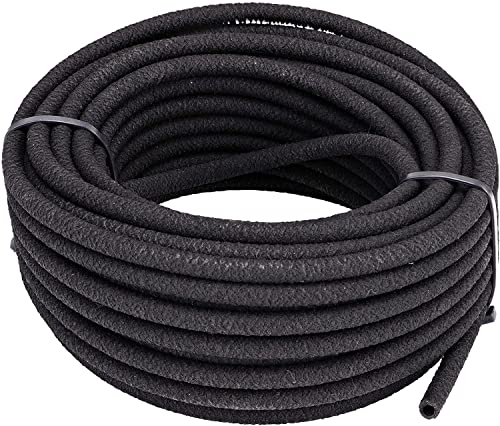
Slowly waters the soil around your plants for complete root zone hydration; Ideal for short runs on flat surfaces, such as vegetable gardens, borders, and around small plants

Water-Saving Efficiency: Delivers slow, steady water directly to plant roots, minimizing evaporation and runoff for eco-friendly gardening.

【Even & Consistent Root Watering】Features micro-pore seepage technology that distributes water evenly along the entire hose, transforming spot watering into uniform line watering directly to plant roots. Unlike traditional drip irrigation systems with clog-prone emitters, this soaker hose creates a continuous moisture band for healthier, deeper-rooted plants
Timing Your Watering Schedule
Water your garden early in the morning. This timing minimizes evaporation and allows plants to absorb moisture throughout the day. If mornings aren’t feasible, water in the late afternoon or early evening—avoid watering at night, as this can encourage fungal diseases. Adjust your schedule based on weather conditions. During hot spells, increase watering frequency. After rainfall, reassess; you might skip a few days. For most vegetable gardens, aim for watering 1-2 inches per week. Use a rain gauge to measure yourself, ensuring even coverage based on plant needs.
Techniques for Efficient Watering
Utilize drip irrigation or soaker hoses for direct watering at the roots, which conserves water and reduces waste. Hand-watering with a watering can or hose focuses on specific plants, allowing you to monitor moisture levels closely. Water deeply but infrequently; it encourages root development. When using sprinklers, set them for 30 minutes to an hour, depending on your soil type. Follow up with mulching; it retains soil moisture and keeps roots cool. Lastly, check soil moisture by digging down a couple of inches—if it’s dry, it’s time to water.
Signs of Underwatering and Overwatering
Recognizing the signs of underwatering and overwatering is crucial for maintaining a healthy vegetable garden. Understanding these signs can help you adjust your watering practices effectively.
Recommended Products

Kindly NOTE: This soil tester can not be applied to test pH value of any other liquid. If the soil is too dry the indicator will not move, and water it before testing.
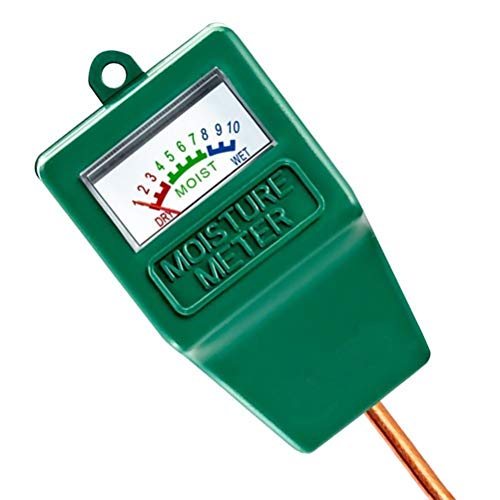
Soil Moisture Meter: This single probe soil moisture meter is specially designed for testing the moisture level in the soil, helps you decide whether the plants need water or not, helps to keep plants alive.

PROMOTES PLANT GROWTH: The Ladybug Themed Moisture Meter helps any gardener test the moisture level of their plant soil and works well indoors for potted plants as well as outdoors to promote healthier lawns, gardens, and shrubs
Recognizing Plant Stress
- Wilting Leaves: Wilting indicates both underwatering and overwatering. Leaves droop when they lack moisture and may also become limp after excessive water, signaling root stress.
- Brown Leaf Edges: Browning at the edges often occurs due to underwatering. In contrast, wet conditions can lead to browning and mushiness at the base of the leaves.
- Leaf Drop: Detached leaves often stem from stress caused by inconsistent watering. You may notice leaves dropping due to inadequate moisture or oversaturation.
- Stunted Growth: Reduced growth or small plant size indicates a struggle for water. Plants may also show lack of vigor under overwatered conditions.
- Nutrient Deficiencies: Underwatering can cause deficiencies in nutrients, affecting growth. Overwatering can lead to root rot, diminishing nutrient absorption.
- Disease Susceptibility: Underwatered plants weaken over time and can become more vulnerable to pests and diseases. Conversely, overwatered plants may develop fungal diseases like root rot.
- Fruit Development: Insufficient water leads to poor fruit quality and smaller yields. Conversely, too much water can cause fruit splitting or diminished flavor profiles.
- Root Health: Healthy roots require consistent moisture levels. Overwatering drowns roots, while underwatering dries them out, both conditions compromising overall plant health.
Monitoring these signs enables you to provide the right amount of water and ensure the vitality of your vegetable garden.
Seasonal Considerations
Seasonal changes significantly impact how often you water your vegetable garden. Knowing the climate conditions during different seasons can help you adjust your watering routine effectively.
Adjusting Watering for Weather Changes
In spring, temperatures rise, and rainfall may increase, providing natural water sources for your plants. You might water once a week, but be ready to adjust based on rainfall. Look for signs like drooping leaves, which can indicate stress from not enough water.
Summer brings heat and often dry weather. During this time, you may need to water every 3-4 days to ensure your vegetables stay hydrated. Consider using mulch to retain moisture and reduce evaporation. Early morning is the best time to water, allowing plants to absorb the moisture before the day’s heat.
Fall weather can be more variable, with cooler temperatures or occasional rainfall. You might reduce watering to once a week as your plants wind down for the season. Monitor rainfall closely and check soil moisture to avoid overwatering.
Preparing for Drought Conditions
Drought conditions require proactive measures to safeguard your garden. Identify drought-resistant vegetable varieties, such as tomatoes and peppers, which thrive with less water. These plants use moisture more efficiently and can sustain through drier spells.
Implementing water-conserving practices, such as deep watering, benefits your garden. Water deeply but less frequently, encouraging roots to grow deeper in search of moisture. Employing drip irrigation systems delivers water directly to the plants with minimal waste, making it an efficient choice during droughts.
Regularly check soil moisture levels. Insert your finger about an inch into the soil; if it’s dry, it’s time to water. Additionally, mulching helps retain soil moisture. Organic materials like straw or wood chips create a barrier against evaporation.
Conclusion
Finding the right watering routine for your vegetable garden can make all the difference in your plants’ health and productivity. By paying attention to factors like climate soil type and the specific needs of your vegetables you’ll be better equipped to give them the care they deserve.
Remember to adjust your watering schedule based on the seasons and weather conditions. With a little observation and practice you can create a thriving garden that yields delicious produce. So grab your watering can or hose and get ready to nurture your plants to their fullest potential. Happy gardening!
Frequently Asked Questions
How often should I water my vegetable garden?
The frequency of watering depends on various factors like climate, soil type, and the specific vegetables grown. Generally, aim for 1-2 inches of water per week. During hot, dry weather, you may need to water every 3-4 days. Always adjust based on conditions such as rainfall and humidity.
What are the signs of overwatering in plants?
Signs of overwatering include wilting leaves, brown leaf edges, and root rot. Overwatered plants may also show stunted growth and increased vulnerability to diseases. Monitoring these symptoms helps you adjust your watering practices as needed.
What are the best practices for watering vegetables?
Watering early in the morning is ideal to reduce evaporation and promote better absorption. Use efficient methods like drip irrigation or soaker hoses, and consider mulching to retain soil moisture. Regularly check soil moisture levels to determine when to water.
How do different vegetables affect watering needs?
Leafy greens require consistent moisture, while root vegetables benefit from deep watering. Fruiting vegetables need extra water during fruit set, and legumes thrive with moderate watering. Adjust your watering based on the specific needs of each type of vegetable.
How can I conserve water while gardening?
To conserve water, implement practices like drip irrigation, deep but infrequent watering, and mulching. Choose drought-resistant vegetable varieties and regularly check soil moisture levels to avoid unnecessary watering, especially during dry spells.

My interest in trees started when I first saw the giant sequoias in Yosemite.I was a teenager then, and I remember thinking, “I need to learn more about this.”That moment stuck with me.A few years later, I went on to study forestry at Michigan Tech.
Since graduating, I’ve worked in a mix of hands-on tree care and community education.I’ve spent over ten years helping people understand how to plant, maintain, and protect the trees in their neighborhoods.I don’t see trees as just part of the landscape.They are living things that make a real difference in our daily lives.