Wondering how often you should water your garden? You’re not alone. Many garden enthusiasts struggle with finding the right balance between keeping their plants hydrated and avoiding overwatering. Too little water can leave your plants wilting, while too much can drown their roots.
Key Takeaways
- Understand Plant Needs: Different plants have varying water requirements; succulents need less water than ferns.
- Factor in Soil Type: Soil composition affects drainage and moisture retention; adjust watering frequency based on whether you have sandy or clay soil.
- Monitor Weather Conditions: Hot, dry weather may necessitate more frequent watering to prevent evaporation and dehydration.
- Recognize Plant Stress Signs: Look for wilting leaves, dry soil, brown leaf edges, and yellowing leaves as indicators that your plants need water.
- Adjust Seasonally: During active growth phases (spring and early summer), provide 1-2 inches of water weekly, reducing to about 1 inch weekly in the cooler fall months.
- Utilize Efficient Techniques: Employ methods like drip irrigation and soaker hoses to promote efficient watering and conserve resources while ensuring plant health.
Understanding Watering Needs
Watering needs vary based on several factors. Recognizing these factors helps you provide the right amount of water for your garden.
Factors Influencing Watering Frequency
- Plant Type: Different plants have different water requirements. Succulents, for example, require less water than ferns.
- Soil Type: Sandy soil drains quickly, while clay soil retains moisture. Adjust watering based on your soil type.
- Weather Conditions: Hot, dry weather increases evaporation. During heat waves, your garden may need more frequent watering.
- Growth Stage: Young plants with shallow roots may need more water than established plants. Monitor their growth closely.
- Mulching: Applying mulch retains soil moisture. If you use mulch, you may water less often.
- Wilting Leaves: Plants with droopy leaves often lack water. Check soil moisture to confirm.
- Dry Soil: If the top inch of soil feels dry, it’s time to water. Stick your finger in the soil for an accurate assessment.
- Brown Leaf Edges: Browning at the leaf edges signals dehydration. This often indicates your plant needs water immediately.
- Slow Growth: Stunted growth can indicate insufficient watering. Ensure regular water supply for healthy growth.
- Yellowing Leaves: Yellow leaves may result from both overwatering and underwatering. Assess your watering schedule based on the overall plant health.
Seasonal Watering Guidelines
Watering needs change with the seasons. Understanding these variations helps you keep your garden healthy and thriving.
Recommended Products
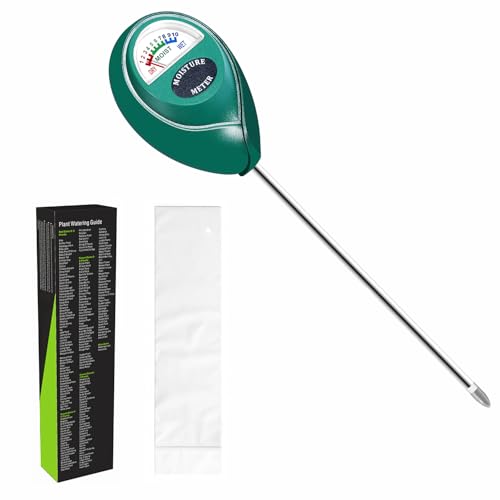
Trusted Since 2015: Become one of the many plant lovers who rely on the proven accuracy of XLUX. Established in 2015, our soil moisture meter has earned over 60,000+ verified ratings for its consistent performance. While many many newer brands come and go, we provide the long-term reliability and quality that American households have trusted for over a decade.

Accurate Soil Moisture Detection: The XLUX Soil Moisture Meter can tell you if the soil deep inside your pot or garden is dry, moist or wet; whereas your eyes and fingers can only determine the moisture level of the soil surface. The probe is 5.5 inches (14 cm) longer than regular styles, allowing it to measure the soil moisture at the bottom of larger and deeper flower pots.

Kindly NOTE: This soil tester can not be applied to test pH value of any other liquid. If the soil is too dry the indicator will not move, and water it before testing.
Spring and Early Summer
During spring and early summer, most plants enter their active growth phase. Watering 1 to 2 inches deep per week is essential, typically divided into two sessions. If rainfall is sparse, water deeply once or twice a week. Monitor soil moisture; it should feel damp but not soggy. Pay special attention to newly planted seedlings and annuals, as they often require more frequent watering.
Late Summer and Fall
In late summer and fall, temperatures start to drop. You can reduce your watering frequency to about 1 inch per week, as many plants slow their growth. Focus on watering early in the morning to minimize evaporation. Ensure the soil is dry before watering again; check the top inch of soil. Plants in containers may need additional water, as pots can dry out faster than garden beds.
Types of Plants and Their Requirements
Different plants have unique watering needs. Understanding these will help you maintain a healthy garden.
Recommended Products

【4 in 1 function】This is a 4-in-1 multifunctional soil tester.Our soil tester fastly to measure soil moisture, pH, temperature and sunlight to help you take better care of flowers and plants.You can know when you need to water your soil by measuring moisture and pH & Temperature value of the soil and sunlight level of plants with it.

3-in-1 Soil Tester: This meter can test soil moisture, light and pH value; You can switch modes with one button; It makes gardening and plantng more efficient
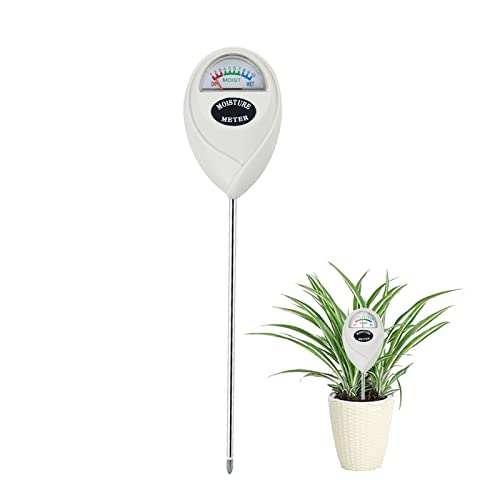
【SAVE YOUR PLANTS】: Over watering can cause problems with your plants or even kill them. This soil moisture meter helps you know the soil is dry, moist or wet.No more over watering!
Annuals vs. Perennials
Annuals typically require more frequent watering. These plants complete their life cycle within one growing season. Water them consistently, aiming for about 1 to 1.5 inches of water each week, especially during hot weather. Examples include marigolds and petunias.
Perennials, on the other hand, are more adaptable once established. They usually need watering less often. After the first year, most perennials require about 1 inch of water per week. Examples include coneflowers and daisies. Monitor their soil moisture and adjust accordingly, particularly during dry spells.
Native Plants and Drought-Resistant Varieties
Native plants are well-suited for your environment and often require less water. Once established, many native plants can thrive on rainfall alone. Examples include black-eyed Susans and purple coneflowers. Focus on seasonal watering during their initial growth.
Drought-resistant varieties also need minimal watering. These plants can tolerate dry conditions, making them ideal for water-wise gardens. Examples include succulents and lavender. Water deeply but less frequently to encourage root growth.
Understanding these differences helps you tailor your watering routine to meet the specific needs of each plant type. Prioritize regular checks for moisture levels in the soil to ensure optimal health of all your plants.
Techniques for Efficient Watering
Efficient watering techniques help save time, conserve water, and promote healthier plants. Here are common methods to consider for your garden.
Recommended Products
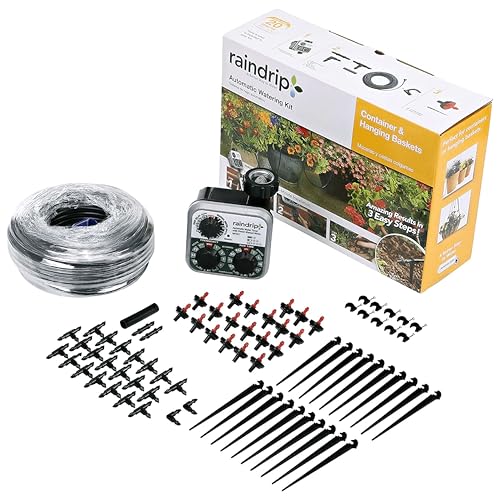
Save Time and Effort: This Raindrip drip irrigation kit includes everything you need to create a drip watering system for potted plants and precisely water up to twenty plants, saving time and effort while keeping your garden healthy

[1/2" High-Flow Mainline for Stable Pressure] Featuring a professional-grade 1/2" (12mm) mainline hose, this kit solves the common issue of water pressure drop-off found in thin 1/4" tubes. The heavy-duty 12mm pipe ensures consistent and balanced water delivery to every plant, making it an ideal automatic watering system for expansive gardens and backyard landscaping.

Smart Irrigation: It Only Takes 2 Minutes To Install The Automatic Watering System To Realize Daily Timed Watering For Your Garden. The Watering Schedule Can Be Adjusted According To The Water Absorption Characteristics Of Plants, With Cycles Ranging From 1 Day, 2 Days Up To 7 Days.
Drip Irrigation Systems
Drip irrigation systems deliver water directly to plant roots. This method minimizes evaporation and runoff, making it highly efficient.
- Set up tubing: Lay out flexible tubing along rows of plants. Position emitters close to the base of each plant.
- Adjust flow rate: Use emitters with varying flow rates to meet specific plant needs. For example, use slower emitters for succulents and faster ones for thirsty plants.
- Install a timer: Maximize efficiency by scheduling watering times. Set the timer to operate early in the morning or late in the evening to reduce evaporation.
Soaker Hoses and Watering Cans
Soaker hoses and watering cans provide targeted watering options that are easy to manage.
- Deploy soaker hoses: Lay soaker hoses on top of the soil, covering desired areas. Water soaks through the hose, providing moisture directly to plant roots.
- Check for clogs: Regularly inspect hoses for blockages. Flush with water if needed to maintain optimal performance.
- Use watering cans: For smaller gardens or potted plants, watering cans ensure precise application. Fill and water directly at the base of each plant to avoid wetting leaves.
- Monitor moisture levels: Check soil moisture with your finger or a moisture meter. Adjust your watering frequency based on what you observe.
These techniques enhance your watering efficiency, ensuring your garden stays healthy without wasting resources.
Conclusion
Finding the right watering routine for your garden can make all the difference in keeping your plants healthy and thriving. By paying attention to their specific needs and the seasonal changes, you can ensure they get just the right amount of hydration.
Don’t forget to check the soil moisture regularly and adjust your watering schedule as needed. Using efficient techniques like drip irrigation or soaker hoses can save you time and resources while promoting strong plant growth.
With a little observation and care, you’ll create a beautiful garden that flourishes season after season. Happy gardening!
Frequently Asked Questions
How often should I water my garden?
The frequency of watering your garden depends on factors like plant type, soil type, and weather conditions. Generally, most plants need 1 to 2 inches of water per week, particularly in the growing seasons. Always check the top inch of soil for dryness before watering again.
What signs indicate my plants need more water?
Look for wilting leaves, dry soil, brown leaf edges, and slow growth to determine if your plants need more hydration. Yellowing leaves can also signal a lack of water, so monitor these signs regularly for optimal health.
Should I water my garden in the morning or evening?
Watering early in the morning is best as it minimizes evaporation and allows plants to absorb moisture before the heat of the day. This practice helps ensure efficient water use and promotes healthier plant growth.
How does the type of plant affect watering needs?
Different plants have unique water requirements. For instance, succulents require less water compared to ferns. Annuals typically need more frequent watering than perennials. Understanding these differences is crucial for developing effective watering routines.
What are some efficient watering techniques?
Utilizing drip irrigation systems helps deliver water directly to plant roots, conserving moisture and reducing evaporation. Soaker hoses and watering cans are also effective for targeted watering. Regularly monitor moisture levels to ensure proper hydration.
How does the season impact the frequency of watering?
Watering needs change with the seasons. In spring and early summer, most plants may require 1 to 2 inches of water weekly. In late summer and fall, as growth slows, reduce the frequency to about 1 inch per week to match cooler temperatures.
What is the benefit of using native plants in the garden?
Native plants typically require less water and often thrive on rainfall alone once established. They adapt well to local conditions, making them a sustainable choice for gardeners.
How can I tell if my soil needs watering?
Check the top inch of soil; if it feels dry, it’s time to water. For container plants, they may dry out faster, so regular checks are essential to maintain moisture levels.

My interest in trees started when I first saw the giant sequoias in Yosemite.I was a teenager then, and I remember thinking, “I need to learn more about this.”That moment stuck with me.A few years later, I went on to study forestry at Michigan Tech.
Since graduating, I’ve worked in a mix of hands-on tree care and community education.I’ve spent over ten years helping people understand how to plant, maintain, and protect the trees in their neighborhoods.I don’t see trees as just part of the landscape.They are living things that make a real difference in our daily lives.