Wondering how often you should water your garden? It’s a common question for both new and seasoned gardeners. You might find yourself standing at the hose, unsure if your plants are thirsty or if you’ve overdone it. Too much or too little water can lead to wilted leaves or even root rot, making it crucial to strike the right balance.
Key Takeaways
- Understand that plant type significantly influences watering frequency; adjust based on specific needs (e.g., succulents vs. leafy greens).
- Soil type matters; sandy soils drain quickly while clay retains moisture longer, affecting how often you water.
- Weather conditions affect evaporation rates; monitor them to optimize your watering schedule, especially during dry spells.
- Watering in the morning is optimal for absorption and minimizing evaporation, while evening watering may increase fungal risks.
- Recognize signs your garden needs water, such as wilting plants and dry soil; test moisture levels to avoid overwatering.
- Avoid common mistakes like overwatering, and set a consistent watering schedule to help plants thrive.
Factors Influencing Watering Frequency
Several factors influence how often you should water your garden. Understanding these aspects helps maintain healthy plants and optimize water usage.
Recommended Products

Kindly NOTE: This soil tester can not be applied to test pH value of any other liquid. If the soil is too dry the indicator will not move, and water it before testing.

【4 in 1 function】This is a 4-in-1 multifunctional soil tester.Our soil tester fastly to measure soil moisture, pH, temperature and sunlight to help you take better care of flowers and plants.You can know when you need to water your soil by measuring moisture and pH & Temperature value of the soil and sunlight level of plants with it.

Trusted Since 2015: Become one of the many plant lovers who rely on the proven accuracy of XLUX. Established in 2015, our soil moisture meter has earned over 60,000+ verified ratings for its consistent performance. While many many newer brands come and go, we provide the long-term reliability and quality that American households have trusted for over a decade.
Plant Type
Different plants have unique water requirements. Succulents and cacti thrive in dry conditions, needing watering every two to three weeks. Conversely, leafy vegetables like lettuce or spinach require more moisture and tend to need watering at least every three to four days. Research the specific needs of your plants to determine their optimal watering frequency, ensuring they thrive.
Soil Type
Soil composition directly affects water retention. Sandy soils drain quickly and may require daily watering, while clay soils retain moisture longer, needing less frequent attention—often every five to seven days. Consider using mulch to help manage moisture levels in your garden. It reduces evaporation and encourages consistent watering practices.
Weather Conditions
Weather significantly impacts how often you need to water. Hot, dry days increase evaporation, requiring you to water more frequently to prevent stress on plants. Rainy weather can reduce the need for supplemental watering. During long dry spells, check the soil moisture regularly—if it’s dry an inch below the surface, it’s time to water. Adjust your watering schedule based on current weather patterns to meet your plants’ needs effectively.
General Watering Guidelines
Finding the right watering schedule is crucial for your garden’s health. Consider factors like plant type, soil type, and weather conditions.
Morning vs Evening Watering
Watering in the morning helps minimize evaporation and allows plants to absorb moisture before the heat of the day. Morning dew enhances hydration, so aim for watering between 6 AM and 10 AM. Evening watering, however, can lead to prolonged moisture on leaves, increasing the risk of fungal diseases. If you water in the evening, do so early enough to allow foliage to dry before nightfall.
Deep Watering Techniques
Deep watering ensures roots grow strong and reach moisture deeper in the soil. To practice deep watering, follow these steps:
- Water Slowly: Use a soaker hose or drip irrigation to deliver water over several hours.
- Frequency: Water less often but deliver around 6-8 inches of moisture every 1-2 weeks, depending on the season.
- Test the Soil: Check soil moisture at a depth of 6 inches using your finger. If it feels dry, it’s time to water.
Implement these techniques to promote healthy growth and robust root systems in your plants.
Signs Your Garden Needs Water
Recognizing when your garden requires water is crucial for maintaining healthy plants. Look for these specific signs to determine when to water.
Recommended Products

Accurate Soil Moisture Detection: The XLUX Soil Moisture Meter can tell you if the soil deep inside your pot or garden is dry, moist or wet; whereas your eyes and fingers can only determine the moisture level of the soil surface. The probe is 5.5 inches (14 cm) longer than regular styles, allowing it to measure the soil moisture at the bottom of larger and deeper flower pots.
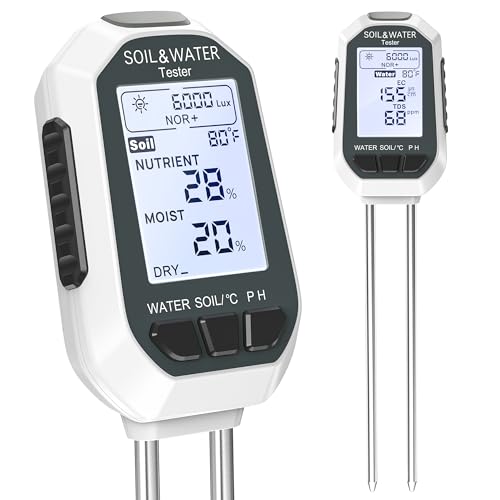
【7-in-1 Features】This is a 7-in-1 multi-function soil tester. Our soil tester quickly measures soil moisture, pH, temperature and light intensity, and its fertility function helps you take better care of your plants. With this device you can measure the soil moisture, pH, temperature and light intensity for your plants and with the EC and TDS functions you will know when it is time to water the soil.

Accurate Soil Moisture Detection: The XLUX Soil Moisture Meter detects deep soil moisture in pots or gardens (dry/moist/wet), unlike eyes or fingers that only sense surface soil.
Wilting Plants
Wilting leaves signify your plants are thirsty. When plants lose turgidity, they droop, which can lead to permanent damage if not addressed. Pay attention to the appearance of the leaves; they may become limp or curl up. If the leaves are turning brown at the edges, it’s another indicator of dehydration.
Soil Moisture Levels
Monitoring soil moisture is key to watering effectively. Stick your finger into the soil about 2 inches deep. If it feels dry at this depth, it’s time to water. Use a moisture meter for more accurate readings. Soil that appears cracking or hard also indicates that it needs moisture. Conversely, if the soil feels overly soggy, you overwatered, which can harm your plants.
Common Mistakes to Avoid
Avoiding mistakes when watering your garden is essential for plant health. Recognizing and addressing common pitfalls can improve your gardening success.
Overwatering
Overwatering can drown your plants, leading to root rot and other issues. Signs include yellowing leaves and a mushy root system. To prevent this, follow these tips:
- Test soil moisture by inserting your finger 2 inches deep. If it feels wet, skip watering.
- Waters deeply but infrequently. This encourages deeper root growth and better drought resistance.
- Use well-draining pots and soil. Ensure proper drainage to minimize water accumulation.
- Water according to specific plant needs. Leafy greens often require more moisture compared to succulents.
- Monitor weather conditions. Hot or windy days necessitate additional watering for moisture retention.
- Set a regular watering schedule. Consistency can significantly improve plant resilience and growth.
Conclusion
Finding the right watering routine for your garden can make all the difference in keeping your plants healthy and thriving. By paying attention to your plants’ needs and the conditions around them you can create a schedule that works best for you.
Remember to look for signs of dehydration and adjust your watering based on the weather and soil type. Avoiding common mistakes like overwatering will help you maintain a vibrant garden.
With a little practice and observation you’ll soon become a pro at knowing just when to give your plants a drink. Happy gardening!
Frequently Asked Questions
How often should I water my plants?
The frequency of watering depends on plant type, soil composition, and weather conditions. Generally, you should water more frequently during hot, dry days and less during cooler, rainy weather. Check soil moisture regularly and water when it feels dry.
What are the signs that my plants need water?
Key signs include wilting leaves and dry soil. You can check soil moisture by inserting your finger about 2 inches deep. If it feels dry, it’s time to water your plants.
Should I water my garden in the morning or evening?
It’s best to water your garden in the morning. This minimizes evaporation and allows plants to absorb moisture before the heat of the day. Evening watering can increase the risk of fungal diseases.
Can I overwater my plants?
Yes, overwatering can lead to root rot and other issues. Always check soil moisture before watering. It’s important to water deeply but infrequently to promote healthy root growth.
What techniques can I use for deep watering?
Deep watering can be achieved using soaker hoses or by watering less frequently but more thoroughly. Ensure water penetrates the soil to a depth of 6 inches for optimal root health.
How can I prevent overwatering?
To prevent overwatering, test soil moisture before watering, use well-draining pots and soil, and be aware of your specific plant’s water needs. A consistent watering schedule helps maintain balance.

My interest in trees started when I first saw the giant sequoias in Yosemite.I was a teenager then, and I remember thinking, “I need to learn more about this.”That moment stuck with me.A few years later, I went on to study forestry at Michigan Tech.
Since graduating, I’ve worked in a mix of hands-on tree care and community education.I’ve spent over ten years helping people understand how to plant, maintain, and protect the trees in their neighborhoods.I don’t see trees as just part of the landscape.They are living things that make a real difference in our daily lives.