Wondering how often you should fertilize your garden? You’re not alone. Many gardeners face the challenge of keeping their plants healthy and thriving. Too much fertilizer can harm your plants, while too little can leave them lacking essential nutrients.
This article will guide you through the best practices for fertilizing your garden. You’ll learn the right frequency for different plants and how to recognize when they need a nutrient boost. With a little knowledge, you can help your garden flourish and enjoy the vibrant blooms and bountiful harvests you’ve always wanted.
Key Takeaways
- Fertilization Frequency Varies by Plant Type: Annuals require feeding every 4 to 6 weeks, perennials need it once or twice a year, and vegetables should be fertilized every 2 to 4 weeks to maximize growth.
- Growth Stages Matter: Fertilizer needs fluctuate during different growth stages; seedlings need diluted fertilizer every 2 weeks, while established plants benefit from slow-release fertilizers every 6 to 8 weeks.
- Soil Health Influences Nutrient Availability: Regular soil testing (every 1 to 3 years) helps determine pH and nutrient levels, guiding adjustments to your fertilization schedule.
- Signs of Nutrient Deficiency are Crucial: Yellowing leaves, stunted growth, and poor flowering indicate that your plants may need additional nutrients, requiring timely adjustments to fertilization.
- Seasonal Adjustments are Necessary: Tailor your fertilization schedule according to seasonal changes—spring boosts growth, summer supports active growth, and fall prepares perennials for dormancy.
- Use Appropriate Fertilizers for Specific Needs: Different fertilizers (balanced, nitrogen-rich, or high-phosphorus) address unique nutrient requirements at various growth stages, ensuring optimal health for your plants.
Understanding Fertilizer Needs
Fertilizer needs depend on various factors, including plant type, growth stage, and soil condition. Assessing these elements helps you determine the right fertilizer frequency.
Recommended Products

High Phosphorus & Potassium Fertilizer – Designed to deliver elevated phosphorus and potassium for targeted plant support.

Bloom Booster Built for Peak Season: Yardi Fruit & Bloom delivers a targeted NPK 2-15-15 formula with micronutrients to drive abundant flowering and stronger yields. Higher phosphorus and potassium maximize bloom production and fruit set at the most critical stage of the growing season.

HIGH PHOSPHORUS FERTILIZER: Unlike other phosphorus fertilizers, our triple super phosphate has a 0-46-0 ratio of phosphorus for plants, helping plants fight phosphorus deficiency & grow healthier.
Plant Types
Different plants require different nutrient levels. Consider the following:
- Annuals: These typically need fertilizer every 4 to 6 weeks during the growing season. For example, petunias and marigolds thrive on consistent feeding.
- Perennials: Fertilize perennials once or twice a year—once in spring and again in late summer. Examples include echinacea and daylilies.
- Vegetables: Fertilizing every 2 to 4 weeks aids in maximizing growth. Heavy feeders like tomatoes and peppers benefit from regular feeding.
Growth Stages
Fertilizer needs change as plants grow. Follow these guidelines:
- Seedlings: Use a diluted fertilizer solution when seedlings develop their first true leaves. Apply every 2 weeks for healthy growth.
- Established Plants: Once plants mature, switch to a slow-release fertilizer. Top-dress every 6 to 8 weeks as needed.
- Flowering: During the blooming phase, use a high-phosphorus fertilizer to enhance flower production. Apply every 4 weeks for the best results.
Soil Health
Soil testing indicates nutrient levels. Test your soil every 1 to 3 years to determine:
- pH Level: Most plants thrive in a pH range of 6.0 to 7.0. Correct imbalances as necessary.
- Nutrients: Analyze levels of nitrogen, phosphorus, and potassium. Amend with specific fertilizers based on soil test results.
Signs of Nutrient Deficiency
Spotting signs of deficiency helps you know when to fertilize. Pay attention to:
- Yellowing Leaves: Often indicates a nitrogen deficiency.
- Stunted Growth: Can signal a lack of phosphorous or potassium.
- Poor Flowering: Sometimes means your plants lack essential nutrients like phosphorus.
Address these signs promptly by adjusting your fertilization schedule or testing soil conditions.
Adapting your fertilization approach based on specific plant needs ensures vibrant growth and fruitful harvests.
Factors Influencing Fertilization Frequency
Several factors affect how often you should fertilize your garden. Understanding these can help you tailor your fertilization schedule for healthy plants.
Recommended Products

Derived for Maximum Growth: Neptune’s Harvest Natural Tomato & Vegetable Organic Fertilizer is a liquid plant food formulated for the critical "vegging" stage of tomatoes, vegetables, and houseplants; this liquid fertilizer enhances plant health, promotes vigorous foliage, and develops strong stems and roots; this fertilizer increases yield, supports healthy deep roots, and helps with big vegetation, healthier crops, especially for tomatoes and vegetables and is safe for kids and pets

Package contains 4 pounds organic vegetable and tomato fertilizer grains and is produced to avoid wasteful runoff, mess, hazards and smells

Derived for Maximum Growth: Neptune’s Harvest Natural Tomato & Vegetable Organic Fertilizer is a liquid plant food formulated for the critical "vegging" stage of tomatoes, vegetables, and houseplants; this liquid fertilizer enhances plant health, promotes vigorous foliage, and develops strong stems and roots; this fertilizer increases yield, supports healthy deep roots, and helps with big vegetation, healthier crops, especially for tomatoes and vegetables and is safe for kids and pets
Plant Type
Different plants exhibit unique nutrient needs.
- Annuals thrive with fertilization every 4 to 6 weeks. Early flowers, like petunias and marigolds, benefit from regular feeding.
- Perennials typically require fertilization once or twice a year, usually in spring and fall, to support their growth cycle.
- Vegetables demand more attention, needing fertilizer every 2 to 4 weeks, especially during their active growing phase.
Tailor your approach based on the specific types in your garden for optimal results.
Soil Quality
Soil conditions play a crucial role in nutrient availability.
- Healthy soil rich in organic matter generally requires less fertilizer, as it holds nutrients effectively.
- Poor-quality soil, lacking in nutrients, can lead to more frequent fertilization needs. Conducting soil tests every 1 to 3 years helps assess your soil’s pH and nutrient levels.
Consider enriching your soil with compost or organic matter to enhance its capacity to support plant growth.
Seasonal Changes
Seasonal variations influence your plants’ fertilization needs.
- Spring marks a vital growth period for many plants. Increase fertilization during this season to promote strong growth and blooms.
- Summer may require ongoing fertilization, particularly for vegetables and annuals, as they actively grow.
- Fall fertilization is crucial for perennials, preparing them for dormancy and ensuring they return strong in spring.
Adjust your fertilization schedule based on the seasons to meet your plants’ changing nutrient requirements.
Recommended Fertilization Schedules
Understanding the right fertilization schedule for your garden enhances plant health and yield. Here’s a breakdown of the optimal schedules for different plant types.
Recommended Products

Package contains 4 Pounds organic fruit and citrus fertilizer grains and is produced to avoid wasteful runoff, mess, hazards and smells

Down to Earth Fruit Tree is a five pound box of all natural fertilizer with 6-2-4 formula and is listed by the Organic Materials Review Institute (OMRI) for use in organic production
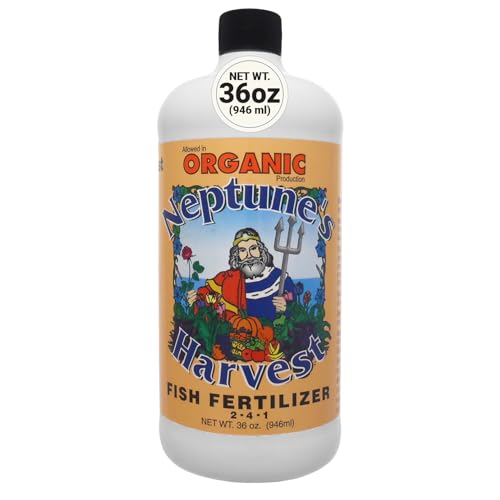
Derived for Maximum Growth: Start with nutrition designed to work with nature; Neptune’s Harvest Organic Fish Fertilizer 2-4-1 is a liquid fish fertilizer and organic fish plant food made using a unique cold process that protects the vitamins, amino acids, enzymes, and growth hormones; sourced from clean, mineral rich North Atlantic Ocean fish and never lake, farmed, or river fish; this fertilizer supports lawns, vegetables, flowers, and indoor plants throughout the growing season and is safe for kids and pets
Annual Plants
Annual plants thrive with consistent nutrition. Fertilize every 4 to 6 weeks during their growing season, starting when they leaf out. Use a balanced fertilizer or one suited to specific needs, such as a higher nitrogen blend for leafy greens. Always follow package instructions for dosage. Key examples include petunias and marigolds.
Perennial Plants
Perennial plants require less frequent fertilization. Apply fertilizer once in early spring as they emerge from dormancy and again in early summer after the first bloom. A slow-release fertilizer works well for these plants, providing a steady nutrient supply. For example, consider using compost or specific perennial blends for plants like coneflowers and daylilies.
Vegetables and Fruits
Vegetables and fruits demand regular nutrition to support growth and fruiting. Fertilize every 2 to 4 weeks, depending on the crop type. For leafy vegetables, a nitrogen-heavy fertilizer helps maximize foliage, while fruiting plants benefit from a balanced fertilizer with potassium. For example, feed tomatoes and peppers every couple of weeks with a high-phosphorus fertilizer when they bloom.
Maintaining a fertilization schedule tailored to each plant group ensures robust growth and bountiful harvests.
Signs Your Garden Needs Fertilizing
Recognizing when your garden needs fertilizing can boost plant health and growth. Watch for these key signs.
Yellowing Leaves
Yellowing leaves often signal nutrient deficiencies. Nitrogen, iron, and magnesium shortages commonly cause this. Leaves may turn pale or yellowish, starting from the tips or edges. If you see this, check soil nutrient levels and consider applying a balanced fertilizer rich in these elements. For example, using a nitrogen-rich fertilizer can green up yellowing leaves on your vegetable plants.
Stunted Growth
Stunted growth indicates that plants aren’t receiving adequate nutrients. If you notice your plants growing slower than expected or failing to reach their usual size, it’s time to reassess your fertilization approach. Newly planted seedlings may particularly appear smaller, reflecting insufficient nutrients. Implementing a slow-release fertilizer can promote steady growth. Assess your plant type; some vegetables typically thrive with more frequent feeding.
Conclusion
Finding the right fertilization schedule for your garden is key to nurturing healthy plants. By paying attention to your plants’ needs and adjusting based on their growth stages and soil conditions, you’ll set them up for success.
Remember to look for signs of nutrient deficiency and be ready to adapt your approach. With a bit of patience and care, you’ll enjoy vibrant blooms and plentiful harvests. Happy gardening and may your plants thrive!
Frequently Asked Questions
How often should I fertilize my garden?
The frequency of fertilization depends on the type of plants in your garden. Annuals generally need fertilizing every 4 to 6 weeks, while perennials typically require it once or twice a year. Vegetables benefit from feeding every 2 to 4 weeks to support healthy growth.
What are signs that my plants need more fertilizer?
Common signs of nutrient deficiency include yellowing leaves, stunted growth, and poor flowering. These symptoms often indicate that your plants are not receiving enough nutrients, prompting a need to reassess your fertilization schedule.
How does soil quality affect fertilization?
Healthy soil rich in organic matter usually requires less fertilizer, while poor-quality soil may need more frequent applications. Conducting soil tests every 1 to 3 years helps assess pH levels and nutrient content to optimize fertilization needs.
When is the best time to fertilize my garden?
The best time to fertilize is during the active growth periods of spring and summer. For perennials, it’s recommended to fertilize in early spring and again in early summer. Preparing them in the fall can help them store nutrients for dormancy.
Should I use different fertilizers for different plants?
Yes, different plants have varying nutrient requirements. For example, annuals thrive on balanced fertilizers, while flowering plants may benefit from high-phosphorus fertilizers. Tailoring your fertilizer choice to plant type ensures optimal growth and health.

My interest in trees started when I first saw the giant sequoias in Yosemite.I was a teenager then, and I remember thinking, “I need to learn more about this.”That moment stuck with me.A few years later, I went on to study forestry at Michigan Tech.
Since graduating, I’ve worked in a mix of hands-on tree care and community education.I’ve spent over ten years helping people understand how to plant, maintain, and protect the trees in their neighborhoods.I don’t see trees as just part of the landscape.They are living things that make a real difference in our daily lives.