Are you excited to start your vegetable garden but unsure how much to plant? You’re not alone. Many new gardeners face the challenge of figuring out the right quantities to ensure a fruitful harvest without overwhelming themselves.
Key Takeaways
- Determine Garden Size: Assess available space to know how many plants can be effectively grown without overcrowding.
- Understand Plant Requirements: Different vegetables have unique spacing and quantity needs based on their growth habits and family consumption.
- Utilize Companion Planting: Pair compatible vegetables together to enhance growth and maximize garden yield.
- Plan for Succession and Intercropping: Implement techniques like succession planting and intercropping to ensure continuous harvests and efficient use of space.
- Use Planning Tools: Leverage garden planners and apps to accurately layout and manage your vegetable garden’s design and growth.
- Learn from Resources: Take advantage of local extension services, community gardens, and gardening clubs for valuable insights and support in your gardening journey.
Understanding Vegetable Garden Planting
When planning a vegetable garden, knowing how much to plant ensures a successful harvest without overwhelming you. Several factors influence planting amounts, and following specific spacing guidelines helps maximize your garden’s productivity.
Recommended Products

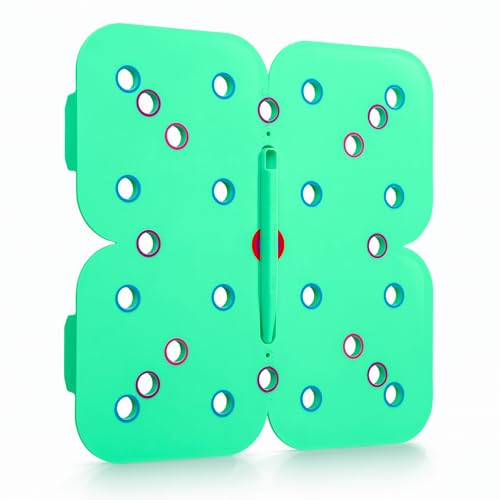
Precise Planting Measurement: The foldable plant ruler is designed to provide precise measurements for seed spacing, ensuring optimal growth for a variety of vegetables including carrots, tomatoes, peas, potatoes, and cabbage.

HELPING YOU GARDEN BETTER: Get ready for a huge harvest from your vegetable garden! Inspired by the Square Foot Gardening method, our patented seed-spacing template is fun for all ages and experience levels.

Precise Spacing for Better Growth - This seed spacers planting tool helps you mark evenly spaced seed positions and straight planting rows, giving plants more consistent room to grow while improving garden organization and reducing guesswork.
Factors Influencing Planting Amount
- Garden Size: The total area you can dedicate to your garden affects how many plants you can grow. Calculate your usable space in square feet or square meters.
- Plant Type: Different vegetables have varying growth rates and yields. For instance, tomatoes produce more fruit per plant than carrots, which require more space per harvest.
- Family Needs: Consider your family’s vegetable consumption. Growing more of your favorite vegetables and fewer of those rarely eaten prevents waste.
- Growing Conditions: Light, soil quality, and climate conditions influence plant growth. A sunnier spot may support higher yields, while shaded areas may necessitate fewer plants.
- Companion Planting: Certain vegetables complement each other and can be planted together for enhanced growth. This strategy can impact your overall planting amounts.
- Leafy Greens: Space these plants about 6 to 12 inches apart. For example, spinach and lettuce perform well close to each other.
- Root Vegetables: Space root vegetables like carrots and beets about 2 to 4 inches apart. This distance allows roots to grow without crowding.
- Fruiting Plants: For larger plants such as tomatoes and peppers, leave 18 to 24 inches between each. This spacing accommodates their height and breadth.
- Vining Plants: If growing cucumbers or squashes, plan for 24 to 36 inches between each plant. Provide trellises to utilize vertical space, maximizing garden area.
- Interplanting: To make the most of limited space, consider planting quick-growing, small crops between slower-growing, larger plants. For example, plant radishes in the spaces between larger crops like corn.
By considering these factors and guidelines, you can successfully determine how much to plant in your vegetable garden, leading to a fruitful harvest tailored to your family’s needs.
Recommended Plant Quantities
Determining how much to plant in your vegetable garden hinges on several factors, including family size and garden capacity. Here, find specific recommendations for popular vegetables.
Recommended Products

【SEED SPACING】12 tapered spikes set exactly 1 inch apart make evenly spaced holes for seed planting in one press for consistent row seeding.
A TIDY GARDEN YOU CAN ACTUALLY ENJOY - Stop the garden chaos before it starts & say goodbye to messy rows and uneven spacing. Planting in a structured garden grid keeps your vegetables neat, visible, and evenly spaced as they grow. Easier weeding, healthier plants, and a garden that looks just as good as it performs.

EASY TO USE & UNDERSTAND - Simplify your garden with our easy-to-use wheel-based vegetable garden planner! Determine seeds needed, planting depth, optimal spacing, and much more for 21 popular vegetables. The garden planner works in all regions of the USA and Canada. Simply adjust the frost line with the frost dates of your area to get started.
Popular Vegetables and Their Requirements
| Vegetable | Recommended Quantity per Person | Spacing Requirements |
|---|---|---|
| Lettuce | 3-4 plants | 12 inches apart |
| Carrots | 10-15 seeds | 2-4 inches apart |
| Tomatoes | 1-2 plants | 18-24 inches apart |
| Bell Peppers | 1-2 plants | 12-18 inches apart |
| Zucchini | 1 plant | 36 inches apart |
| Green Beans | 5-10 plants | 4-6 inches apart |
| Cucumbers | 2-3 plants | 36-42 inches apart |
| Spinach | 5-10 plants | 6-12 inches apart |
Adjust quantities based on your family’s consumption habits, storage ability, and garden space. For instance, if your family enjoys fresh salads, increase lettuce and spinach counts.
Planning for Successions and Intercropping
Implement succession planting to maximize harvest throughout the season. For example, after harvesting early crops like radishes, consider planting a second batch of green beans. This technique extends productivity and keeps your garden thriving.
Utilize intercropping by combining fast-growing crops with slow-growers. Plant radishes alongside slower-developing carrots or onions. The quick radishes mature first, allowing you to harvest and free up space, while the slower crops continue to grow.
These strategies help optimize limited space and ensure a steady supply of fresh produce. Always monitor your plants’ growth and adjust as needed, ensuring a bountiful harvest.
Tools and Resources for Planning
Planning a vegetable garden involves various tools and resources that can simplify the process and enhance productivity.
Recommended Products
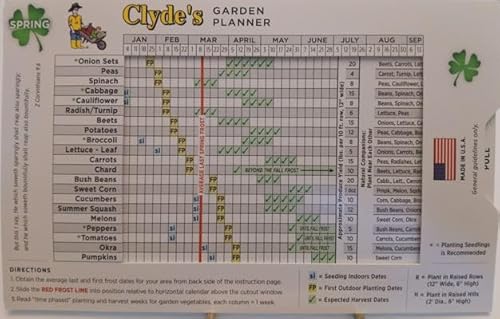
Chart Provides Both Indoor and Outdoor Seeding Dates for 22 Commonly Grown Garden Veggies, (Chart Size = 51/8" x 81/2", 12 Point Cardstock Paper).


Garden Planner
Garden Planners and Apps
You can find numerous garden planners and apps designed to help you visualize and organize your vegetable garden. These tools allow you to map out your garden layout, specify plant types, and track growth. Popular options include:
- Garden Planner: This tool offers drag-and-drop functionality, helping you design your garden layout easily.
- GrowVeg: With customizable planting schedules and reminders, this app assists with timing and spacing.
- Planter: This app tailors recommendations based on your location and climate, ensuring your choices are suitable.
Using these tools, you can ensure optimal spacing and companion planting, ultimately leading to a more productive garden.
Community Resources and Extension Services
Local community resources and extension services play a crucial role in your gardening journey. Many universities and agricultural extensions offer free information and advice on vegetable gardening. Key resources include:
- Cooperative Extension Services: They provide educational programming, soil testing, and regional planting guides tailored to your area.
- Community Gardens: Joining a local community garden allows you to learn from experienced gardeners and share resources. It’s a great way to gain practical knowledge.
- Gardening Clubs and Workshops: These platforms encourage networking with fellow gardeners, allowing you to exchange tips, seeds, and plants.
Accessing these resources can give you valuable insights and support, ensuring your vegetable garden flourishes.
Common Mistakes to Avoid
Avoiding mistakes in your vegetable garden helps you achieve a successful harvest. Here are common pitfalls to steer clear of when determining how much to plant.
Overplanting Consequences
Overplanting can lead to several issues. Plants compete for nutrients, sunlight, and water. For example, overcrowded tomato plants may produce fewer fruits due to limited resources. Excess foliage can create humidity pockets, fostering diseases like powdery mildew. To avoid overplanting, apply spacing recommendations for each vegetable type. Measure your garden bed dimensions and plan according to the suggested quantities for each crop.
Underplanting Challenges
Underplanting creates its challenges, too. You risk producing fewer vegetables than your family requires. For instance, if you grow only a few zucchini plants, you may not harvest enough for your meals. This shortfall can lead to disappointment when your garden doesn’t meet your expectations. To combat underplanting, consider your family’s eating habits. Make a list of the vegetables your family enjoys and adjust your planting quantities accordingly. Keep in mind that you can always plant more next season if you feel uncertain.
Conclusion
Finding the right amount to plant in your vegetable garden can feel like a balancing act. By considering your space family needs and the specific requirements of each plant you can create a thriving garden that meets your expectations.
Remember to adjust your planting based on what your family enjoys eating and don’t hesitate to experiment with different strategies like succession planting. With a little planning and the right resources you’ll be well on your way to enjoying a bountiful harvest. Happy gardening!
Frequently Asked Questions
How do I determine the right amount of vegetables to plant in my garden?
To determine the right amount of vegetables, consider your garden size, the types of plants, and your family’s consumption needs. Also, take into account growing conditions and techniques like companion planting. Refer to specific spacing guidelines for each vegetable type to maximize your harvest while preventing overcrowding.
What spacing guidelines should I follow for planting vegetables?
Spacing guidelines vary by vegetable type. Leafy greens need about 6-12 inches apart, root vegetables about 2-4 inches, fruiting plants require 24-36 inches, and vining plants may need 36-48 inches. Following these spacing recommendations helps ensure healthy growth and optimal yields.
What are common mistakes to avoid in vegetable gardening?
Common mistakes include overplanting and underplanting. Overplanting can cause competition for nutrients and water, leading to lower yields. Underplanting might not provide enough produce for your family. Always follow spacing recommendations and consider family consumption to prevent these issues.
How can I extend my garden’s productivity throughout the season?
You can extend your garden’s productivity by using strategies like succession planting and intercropping. Succession planting involves planting new crops as others are harvested, while intercropping plants fast-growing crops alongside slower ones to maximize the use of space and nutrients.
What tools can help me plan my vegetable garden effectively?
Several tools can aid in planning your vegetable garden, like the Garden Planner or GrowVeg apps. These tools help visualize layouts, track growth, and ensure optimal spacing. Local resources, such as Cooperative Extension Services and gardening clubs, can also provide valuable support and information.
How do I adjust planting quantities based on my family’s needs?
Adjust planting quantities by assessing your family’s eating habits and preferred vegetables. Track your consumption and adjust future planting based on the harvest outcomes. If more vegetables are needed, consider planting larger quantities in the next season while utilizing current space effectively.

My interest in trees started when I first saw the giant sequoias in Yosemite.I was a teenager then, and I remember thinking, “I need to learn more about this.”That moment stuck with me.A few years later, I went on to study forestry at Michigan Tech.
Since graduating, I’ve worked in a mix of hands-on tree care and community education.I’ve spent over ten years helping people understand how to plant, maintain, and protect the trees in their neighborhoods.I don’t see trees as just part of the landscape.They are living things that make a real difference in our daily lives.