Have you ever stared at your new garden bed, wondering how much soil you actually need? You’re not alone. Many gardeners face this common dilemma, and getting it right is crucial for your plants’ health and growth.
Key Takeaways
- Understand Garden Bed Types: Familiarize yourself with different garden bed types—raised, in-ground, and container—to determine which best suits your space and plants.
- Soil Depth Matters: Most vegetables require at least 12 inches of soil, while root vegetables may need 12 to 18 inches for optimal growth.
- Calculate Soil Volume: Accurately measure your garden bed’s dimensions and use the volume formula to determine how much soil is needed, converting measurements from cubic feet to cubic yards.
- Choose the Right Soil Mix: Opt for a balanced soil blend, such as topsoil mixed with compost, to ensure essential nutrients and proper drainage for your plants.
- Monitor Soil Settling: Regularly check your garden bed for settling soil and top it off as necessary to maintain the optimal soil level for your plants.
- Consider Plant-Specific Needs: Different plants have varying soil requirements; research your plants’ specific needs to create the best environment for growth.
Understanding Garden Beds
Understanding garden beds helps you optimize your gardening efforts. A garden bed is a designated area for planting, usually filled with a specific soil mix to promote plant health. Different types of garden beds exist, including raised beds, in-ground beds, and container gardens.
Types of Garden Beds
- Raised Garden Beds: Elevated structures filled with soil. Ideal for limited drainage and easier access.
- In-Ground Garden Beds: Soil directly in the ground. Provides larger planting areas but may require additional amendments.
- Container Gardens: Plants in pots, useful for small spaces. Ideal for herbs or flowers.
Soil Depth Requirements
Soil depth varies based on the plants you want to grow. Most vegetables benefit from at least 12 inches of soil. Flowers often thrive in 6 to 12 inches, while root vegetables, like carrots, usually need at least 12 to 18 inches.
Calculating Soil Volume
To calculate how much soil you need for your garden bed, follow these steps:
- Measure the Dimensions: Record the length, width, and height of the bed.
- Use the Formula: Multiply length by width by height (in feet) to find cubic feet.
- Convert to Cubic Yards: Divide the total cubic feet by 27 to convert to cubic yards, as one cubic yard equals 27 cubic feet.
For example, if your bed measures 4 feet long, 2 feet wide, and 1.5 feet high, the volume would be 12 cubic feet, or 0.44 cubic yards.
Additional Considerations
Choosing the right soil mix is crucial. A balanced blend often includes topsoil, compost, and other organic materials. This mix provides necessary nutrients and a healthy environment for your plants.
Maintenance Tips
Regularly check your garden bed after filling it. Soil may settle, especially after rainfall. If you find the soil level dips, top it off with more soil as needed. Also, consider yearly amendments to maintain soil quality and nutrient levels.
Understanding garden beds pays off. With the right depth and appropriate soil mix, you promote robust growth and a flourishing garden.
Factors Affecting Soil Volume
Understanding the factors that affect soil volume helps ensure your garden thrives. Consider these key elements when determining how much soil to fill your garden bed.
Recommended Products

Garden Bed Dimensions
Garden bed dimensions play a crucial role in calculating soil volume. Measure the length, width, and height of your bed in inches. Multiply these dimensions together to find the cubic inches. For example, a bed measuring 4 feet long, 3 feet wide, and 1.5 feet tall has a volume of 18 cubic feet. Remember, you can convert cubic feet to cubic yards by dividing the total by 27.
Desired Soil Depth
Desired soil depth varies by plant type and growth stage. Most vegetables require at least 12 inches of soil for healthy root systems. However, some plants, like carrots or potatoes, thrive with deeper soils to accommodate their growth. For example, a bed intended for deep-rooted vegetables should measure at least 18 inches deep. Always aim for sufficient depth based on the plants you choose.
Type of Plants
Different plants have unique soil requirements. While leafy greens thrive in shallower soils, root vegetables demand deeper soil. For example, tomatoes and peppers flourish in a bed with at least 12 inches of quality soil. Herbs often do well in raised beds with about 6-12 inches of soil. Research the specific needs of your chosen plants to ensure optimal growth conditions.
Calculating Soil Requirements
Accurate soil requirements lead to healthier plants and better yields. Understanding how to calculate soil volume ensures your garden bed has the right amount of soil.
Recommended Products

Comprehensive Small Garden Tools: Our indoor garden kit Not only for succulents, but also suitable for bonsai plants, cactus and most of indoor small plants. The mini garden tools set meets your various gardening needs like potting mat, digging, watering, loosening soil, transplanting, cleaning, pruning, weeding, etc. Lightweight, Easy carry and wash after every use. Just pat dry.

STAINLESS STEEL MATERIAL: The soil sample probe is made from high grade stainless steel in premium craftsmanship, which ensures the long-lasting durability, rust and corrosion resistance, will provide an easy and convenient sampling process for you
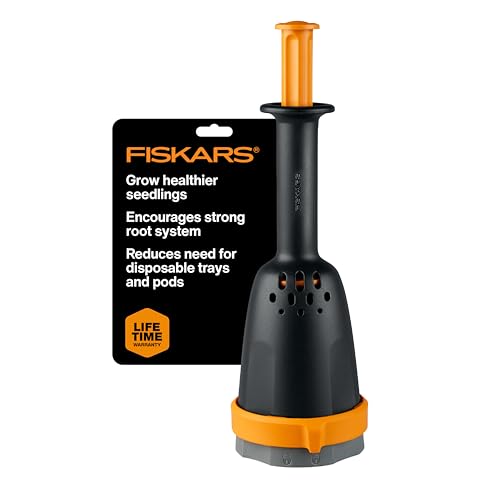
Fiskars Soil Block Maker helps you grow healthier seedlings by encouraging stronger root systems through natural air pruning
Volume Calculation Formulas
To calculate the volume of soil needed, use the formula for the volume of a rectangular prism. The formula is:
Volume = Length × Width × Depth
- Measure your garden bed’s length, width, and desired depth in inches.
- Multiply these measurements together to get the volume in cubic inches.
- Convert cubic inches to cubic feet by dividing the result by 1,728 (since there are 1,728 cubic inches in a cubic foot).
- Convert cubic feet to cubic yards by dividing the number of cubic feet by 27 (since there are 27 cubic feet in a cubic yard).
This approach gives you a clear understanding of how much soil to purchase.
Practical Examples
For a garden bed measuring 4 feet long, 3 feet wide, and 1 foot deep, here’s how to calculate the soil needed:
- Convert dimensions to inches:
Length: 4 ft × 12 in/ft = 48 in
Width: 3 ft × 12 in/ft = 36 in
Depth: 1 ft × 12 in/ft = 12 in - Calculate volume:
Volume = 48 in × 36 in × 12 in = 20,736 cubic inches - Convert to cubic feet:
20,736 cubic inches ÷ 1,728 in³/ft³ = 12 ft³ - Convert to cubic yards:
12 ft³ ÷ 27 ft³/yd³ ≈ 0.44 yd³
Thus, you need approximately 0.44 cubic yards of soil for this garden bed.
For another example, a deeper raised bed measuring 6 feet long, 4 feet wide, and 1.5 feet deep calculates as follows:
- Convert dimensions to inches:
Length: 6 ft × 12 in/ft = 72 in
Width: 4 ft × 12 in/ft = 48 in
Depth: 1.5 ft × 12 in/ft = 18 in - Calculate volume:
Volume = 72 in × 48 in × 18 in = 62,208 cubic inches - Convert to cubic feet:
62,208 cubic inches ÷ 1,728 in³/ft³ = 36 ft³ - Convert to cubic yards:
36 ft³ ÷ 27 ft³/yd³ ≈ 1.33 yd³
Thus, you need approximately 1.33 cubic yards of soil for this deeper raised bed. Use these formulas and examples to determine the right amount of soil for your specific garden bed needs.
Choosing the Right Soil
Selecting the right soil for your garden bed plays a crucial role in plant health and growth. Understanding your plants’ needs helps you choose an appropriate mix.
Recommended Products

Ready-to-Use Formula: No mixing or extra steps required. Simply pour and plant - perfect for gardeners of all experience levels.

ALL-NATURAL MIX: Burpee Organic Premium Potting Mix is formulated with plant food & coconut coir to promote seed & root growth and healthy flower, vegetable & herb plants. OMRI Listed for organic use.

Ready to Use, Right from the Bag: No prep required. This raised bed garden soil is packed with organic compost and nutrients, ready to use for quick and easy planting
Soil Types
- Topsoil: Rich in nutrients, topsoil provides a solid foundation for most plants. It’s easy to work with and promotes drainage.
- Potting Soil: Ideal for container gardens, potting soil contains ingredients like peat moss and vermiculite. This mixture enhances moisture retention while allowing good airflow.
- Compost: Compost enriches the soil with organic matter. You can create it by recycling kitchen scraps and yard waste.
- Garden Mix: A blend of soil, compost, and other amendments, garden mix is suitable for in-ground and raised beds. It balances drainage and nutrient retention.
Soil Quality
Consider the following characteristics when choosing soil:
- Texture: Loose, loamy soil retains moisture while draining excess water. Avoid heavy clay, which retains too much moisture and hinders root growth.
- pH Level: Most vegetables thrive in slightly acidic to neutral pH (6.0 to 7.0). Testing your soil and amending it accordingly ensures optimal growth.
- Nutrient Content: Analyze the soil for key nutrients like nitrogen, phosphorus, and potassium. Depending on your plants, specific amendments may enhance soil quality.
- Test Your Soil: Use a soil test kit to determine pH and nutrient levels. This helps you amend the soil based on your findings.
- Layer Wisely: When filling a raised bed, start with coarser materials at the bottom. This promotes better drainage. Add a mix of topsoil, compost, and any necessary fertilizers on top.
- Aerate the Soil: Turn the soil before planting to incorporate air and break up compacted areas. This improves root access to nutrients and water.
- Consider Your Climate: Choose soil types that work best in your region. In areas with heavy rainfall, opt for soil that drains well to prevent waterlogged roots. In drier climates, retain moisture with organic matter.
By selecting the right soil type and quality, you support your plants’ growth and increase your garden’s yield.
Conclusion
Getting the right amount of soil for your garden bed is key to nurturing healthy plants. By understanding your garden’s specific needs and following the steps to calculate soil volume, you’re setting yourself up for success.
Don’t forget to choose the right soil type that suits your plants and local conditions. With the right preparation and care, your garden can thrive and provide you with bountiful harvests. Happy gardening and enjoy watching your plants grow!
Frequently Asked Questions
How much soil do I need for a new garden bed?
To determine the amount of soil needed, measure the length, width, and desired depth of the garden bed. Most vegetables require at least 12 inches of soil, while deeper-rooted plants may need 18 inches or more. Use the formula Volume = Length × Width × Depth to calculate the total soil volume in cubic feet, then convert it to cubic yards for accurate measurement.
What are different types of garden beds?
Common types of garden beds include raised beds, in-ground beds, and container gardens. Raised beds offer better drainage and soil control, in-ground beds are easy to create with existing soil, and container gardens are ideal for small spaces or mobility. Each type has unique benefits based on your gardening goals.
Why is soil depth important for plants?
Soil depth is crucial because different plants have varying root systems and nutrient needs. Most vegetables thrive in at least 12 inches of soil to allow for proper root growth, nutrient absorption, and moisture retention. Deep-rooted plants, like carrots and potatoes, often require 18 inches for optimal growth.
How do I calculate the volume of soil needed for my garden?
To calculate soil volume, measure your garden bed’s length and width in inches, add the desired depth, then multiply these dimensions (Volume = Length × Width × Depth). Convert the result from cubic inches to cubic feet (1 cubic foot = 1728 cubic inches) and then to cubic yards (1 cubic yard = 27 cubic feet) for easier purchasing.
What types of soil are best for my garden?
The best soil types depend on the plants you are growing. Common options include topsoil, potting soil, compost, and garden mix. Consider factors like texture, pH level, and nutrient content. A soil test kit can help assess your soil’s quality and guide you in selecting the right type for your plants’ needs.
How can I maintain soil quality in my garden?
To maintain soil quality, regularly aerate the soil to improve drainage and root access, add organic matter like compost to enrich nutrients, and monitor pH levels. Rotate crops to prevent nutrient depletion and use mulch to retain moisture and suppress weeds. Adjust soil composition based on seasonal changes and plant requirements.
Can I use any soil for gardening?
Not all soil is suitable for gardening. Avoid using heavy clay or sandy soils alone, as they may not support healthy plant growth. Instead, mix different soil types or amend your soil with organic matter to improve its structure, drainage, and nutrient content, creating a more favorable environment for plants.

I’ve always been drawn to trees.As a kid, I spent most of my free time outside, climbing, exploring, and trying to figure out the names of the trees around me.That early curiosity eventually led me to study arboriculture and horticulture at Michigan State.Later, I completed a degree in forestry at the University of Michigan.
I’ve been working in tree care and education ever since.These days, I enjoy helping people learn more about the trees in their own backyards.How they grow, how to care for them, and why they matter.You don’t need to be an expert to appreciate trees.A little curiosity goes a long way.