Apple trees typically begin to bear fruit between three to five years after planting, depending on the variety and growing conditions. Proper care and maintenance can influence this timeline, ensuring a healthy tree that produces quality fruit.
Apple Tree Varieties and Fruiting Timelines
Different apple tree varieties come with unique characteristics, including the time it takes for them to bear fruit. Understanding these timelines is essential for gardeners and orchardists looking to maximize their harvest. This section delves into various apple tree types and their specific fruiting schedules, providing insights that can help you plan effectively.
Different apple tree varieties have unique timelines for fruit production. Some dwarf varieties may bear fruit sooner, while standard trees take longer. The following factors influence the time to fruiting:
-
Tree type: Dwarf, semi-dwarf, standard
-
Rootstock: Determines growth rate and size
-
Climate: Warmer climates may accelerate growth
| Variety Type | Average Years to Fruit | Notes |
|---|---|---|
| Dwarf | 2-4 | Smaller size, quicker yield |
| Semi-Dwarf | 3-5 | Balanced growth and yield |
| Standard | 4-6 | Larger tree, longer wait |
Recommended Products

4 kinds of the most popular fruits, individually packaged, 50pcs Lemon seeds 50pcs Cherry seeds 50pcs Orange seeds 50pcs Apple seeds Fresh seeds, all fruit seeds are packed in tear and moisture resistant zipper sealed bags for your long term storage.

4 FRUIT VARIETIES – 100 SEEDS TOTAL: Includes 30 Apple Seeds, 30 Lemon Seeds, 30 Cherry Seeds, and 10 Banana Seeds, individually separated by variety for an exciting fruit-growing collection.

🌳 3-Pack Fruit Tree Bundle Includes live apple, blueberry, blackberry trees—perfectly paired for a diverse and productive backyard orchard.
Optimal Conditions for Apple Tree Growth
Understanding the optimal conditions for apple tree growth is crucial for successful fruit production. Factors such as soil quality, sunlight exposure, and climate play significant roles in determining how quickly and abundantly apple trees will bear fruit. By creating the right environment, you can enhance the health and yield of your apple trees.
Apple trees thrive under specific conditions that can affect their fruiting timeline. Optimal sunlight, soil quality, and water availability are crucial for healthy growth. Consider the following:
-
Sunlight: Requires full sun for at least six hours daily
-
Soil: Well-drained, loamy soil with a pH of 6.0 to 7.0
-
Water: Regular irrigation, especially during dry spells
Optimal Soil Conditions for Apple Trees
Understanding the optimal soil conditions for apple trees is crucial for successful cultivation. The right soil type, pH level, and drainage can significantly influence growth and fruit production. This section delves into the specific requirements that will help you create the ideal environment for your apple trees to thrive and bear fruit.
Preparing the soil properly is essential for apple tree success. Follow these steps to ensure a healthy growing environment:
-
Test soil pH: Aim for a balanced pH level.
-
Amend soil: Incorporate organic matter to improve drainage and nutrients.
-
Tilling: Loosen the soil to promote root growth.
Pollination Strategies for Apple Trees
Understanding the pollination strategies for apple trees is crucial for maximizing fruit yield. Effective pollination not only enhances the chances of successful fruit set but also influences the overall health and productivity of the tree. This section delves into the various methods and best practices to ensure your apple trees receive the necessary pollination for optimal growth.
Pollination plays a significant role in apple fruit production. Many apple trees require cross-pollination to set fruit effectively. Here are key points to consider:
-
Pollinator varieties: Plant compatible varieties nearby.
-
Bees and insects: Essential for transferring pollen.
-
Timing: Blooming periods should align for effective pollination.
Recommended Products

Grow your own apple, a tree of legend that has been cherished and cultivated for thousands of years by people of many cultures from every corner of the world

Plant pollinator-- this tool is designed to be compatible with different types of crops, including hybrids, exotic species, and varieties,fruits pollination

❥ EFFORTLESS & EFFICIENT POLLINATION: Designed to take the hard work out of orchard management, this handheld electric pollinator is perfect for a wide variety of fruit trees including Kiwi, Pear, Apple, Peach, Dragon Fruit, and Cherry. Its compact and lightweight build ensures comfortable operation, allowing you to pollinate for longer periods without fatigue.
Fruit Set Enhancement Techniques
Enhancing fruit set in apple trees is crucial for maximizing yield and ensuring healthy growth. Various techniques can significantly influence the number of blossoms that develop into fruit. This section explores proven methods to improve fruit set, helping growers achieve a bountiful harvest.
To enhance fruit set, implement these strategies:
-
Select compatible varieties: Choose trees that bloom simultaneously.
-
Encourage pollinators: Plant flowering plants nearby to attract bees.
-
Hand pollination: In absence of natural pollinators, consider manual methods.
Challenges to Apple Tree Fruit Production
Apple trees can be a rewarding addition to any garden, but several challenges can hinder their fruit production. Factors such as climate, soil conditions, and disease can significantly impact the yield and quality of apples. Understanding these obstacles is crucial for successful cultivation and maximizing your harvest.
Several challenges can delay or prevent apple trees from bearing fruit. Identifying and addressing these issues early can save time and effort. Key problems include:
-
Pest infestations: Aphids, codling moths, and spider mites can harm trees.
-
Diseases: Fungal infections like apple scab can affect fruit development.
-
Nutrient deficiencies: Lack of essential nutrients can stunt growth.
Recommended Products
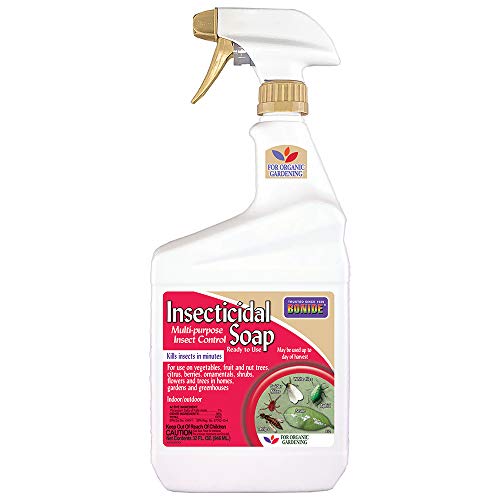
Captain Jack's Insecticidal Super Soap controls species of adelgid, ant, aphid, borer, caterpillar, spider mite, cricket, chinch bug, weevil, fly, thrip, and more

Control diseases and insects in your garden with Captain Jack’s Fruit Tree Spray Concentrate! Use on a variety of listed fruits, nuts and citrus plants.

3-IN-1 GARDEN CARE SPRAY - Earth’s Ally 3-in-1 Plant Spray is a ready-to-use botanical oil spray designed for indoor and outdoor plant care. The houseplant pest spray effectively kills and controls soft-bodied insects and common plant diseases with a synergistic blend of essential oils.
Apple Tree Pest and Disease Control Techniques
Maintaining the health of apple trees is crucial for a successful fruit harvest. This section explores effective pest and disease control techniques that can protect your trees from common threats. By implementing these strategies, you can ensure robust growth and a bountiful yield in your apple orchard.
Implement these management techniques to protect your apple trees:
-
Regular inspections: Check for signs of pests or disease.
-
Organic pesticides: Use environmentally friendly options when necessary.
-
Fertilization: Apply balanced fertilizers to address nutrient deficiencies.
Pruning Strategies for Apple Tree Productivity
Pruning is a crucial practice for enhancing the productivity of apple trees. By understanding the right techniques and timing, you can significantly influence fruit yield and tree health. This section explores effective pruning strategies that promote robust growth and maximize the potential of your apple trees.
Pruning is vital for maintaining apple tree health and encouraging fruit production. Proper techniques can lead to better air circulation and sunlight exposure. Consider these pruning guidelines:
-
Timing: Prune during late winter or early spring.
-
Tools: Use sharp, clean pruning shears.
-
Technique: Remove dead or crossing branches and thin out crowded areas.
Effective Pruning Techniques for Apple Trees
Effective pruning is essential for promoting healthy growth and maximizing fruit production in apple trees. By understanding the right techniques and timing, gardeners can enhance air circulation, sunlight exposure, and overall tree structure. This section will explore proven methods to achieve optimal results through proper pruning practices.
Follow these steps for effective pruning:
-
Assess tree shape: Identify areas needing attention.
-
Make clean cuts: Cut at an angle to promote healing.
-
Remove suckers: Eliminate any growth from the base of the tree.
Apple Tree Care for Fruitful Harvests
Proper care of apple trees is essential for ensuring a bountiful harvest. From soil preparation to pruning techniques, understanding the specific needs of your apple trees can significantly impact their growth and fruit production. This section will delve into the best practices for nurturing your trees, setting the stage for a fruitful future.
Patience is essential when growing apple trees. With proper care, they will eventually bear fruit. Regular monitoring and maintenance can significantly enhance the chances of a fruitful harvest.
Do not over-fertilize or over-water, as these practices can harm your trees and delay fruit production.

My interest in trees started when I first saw the giant sequoias in Yosemite.I was a teenager then, and I remember thinking, “I need to learn more about this.”That moment stuck with me.A few years later, I went on to study forestry at Michigan Tech.
Since graduating, I’ve worked in a mix of hands-on tree care and community education.I’ve spent over ten years helping people understand how to plant, maintain, and protect the trees in their neighborhoods.I don’t see trees as just part of the landscape.They are living things that make a real difference in our daily lives.