Have you ever wondered how to turn kitchen scraps and yard waste into a gardening powerhouse? Using compost can transform your garden into a thriving ecosystem. It’s a simple yet effective way to enrich your soil, boost plant growth, and reduce waste.
Key Takeaways
- Enhanced Soil Quality: Compost improves soil structure, nutrient content, and water retention, making it essential for healthy plant growth.
- Healthier Plants: Utilizing compost promotes stronger plants with increased growth rates and better disease resistance.
- Types of Compost: Both homemade and store-bought compost are effective; choose based on your gardening needs and preferences.
- Application Techniques: Properly incorporate compost into garden beds and use it as mulch to protect plants, retain moisture, and suppress weeds.
- Best Practices: Apply compost during the growing season, avoid direct contact with plant stems, and maintain even distribution for optimal results.
Benefits of Using Compost in Your Garden
Composting enhances gardening by improving soil and plant vitality. Using compost enriches the garden while promoting sustainable practices.
Enhancing Soil Quality
Compost acts as an organic soil amendment. It improves soil structure, making it easier for roots to penetrate. It also increases water retention, reducing the need for frequent watering. Adding compost to your garden enriches soil with essential nutrients.
- Increases Nutrient Content: Compost supplies nitrogen, phosphorus, and potassium.
- Improves Drainage: Compost helps sandy soils retain moisture while allowing drainage.
- Encourages Microbial Activity: Compost supports beneficial soil organisms that break down organic matter.
Promoting Plant Health
Compost promotes healthier plants by providing a balanced source of nutrients. Plants grown in compost-rich soil exhibit stronger growth and increased resistance to diseases.
- Boosts Growth Rate: Plants receive an immediate supply of nutrients from compost.
- Enhances Disease Resistance: Compost helps improve soil ecology, reducing pathogen presence.
- Improves Flavor and Nutrient Density: Vegetables and fruits grown in compost-rich soil often taste better and provide more nutrients.
Using compost in your garden creates a flourishing environment for your plants and contributes to a sustainable landscape.
Types of Compost
Compost comes in various forms, each with its unique benefits. Understanding these types helps you choose the best option for your garden needs.
Recommended Products

100% Organic & Peat-Free: Our compost mix is 100% organic & peat-free. Peat is one of Mother Nature’s most important stores of carbon. Instead of imported peat, the base of our soils is made from upcycled plant matter or wood fines from the United States!

Optimized for Raised Beds: True Organic Raised Bed Food is specially designed to support abundant growth of herbs, flowers, vegetables, and fruits in raised beds and large containers.

OMRI Listed
Homemade Compost
Homemade compost offers a sustainable way to recycle kitchen scraps and yard waste. It typically includes:
- Kitchen Scraps: Fruits, vegetables, eggshells, and coffee grounds provide essential nutrients.
- Yard Waste: Leaves, grass clippings, and small branches enhance the carbon content.
- Browns and Greens: A balanced mix of carbon-rich (browns) and nitrogen-rich (greens) materials creates a nutrient-rich compost.
To create homemade compost, you’ll need to establish a compost bin or pile. Start by layering greens and browns, maintaining a 2:1 ratio of browns to greens. Turn the compost every few weeks to promote aeration and speed up decomposition. After several months, it will transform into dark, crumbly compost perfect for enriching your garden soil.
Store-Bought Compost
Store-bought compost offers convenience and immediate access to quality compost. It often comes in bags or bulk options and varies in composition. Look for:
- Organic Compost: Made from natural materials without synthetic additives, ideal for organic gardening.
- Specialty Compost: Tailored for specific uses, such as worm castings for nutrient-dense soil or mushroom compost for enhanced drainage.
When using store-bought compost, check product labels for essential nutrient content and any additives. Spread it evenly over your garden beds or mix it into existing soil when planting. Store-bought compost can quickly improve soil structure, ensuring strong plant growth.
Choosing between homemade and store-bought compost depends on your gardening style and preferences. Both options contribute to building a vibrant, productive garden.
How to Use Compost in Your Garden
Using compost effectively can significantly enhance your garden’s health and productivity. Incorporate compost into your gardening routine to yield impressive results.
Recommended Products
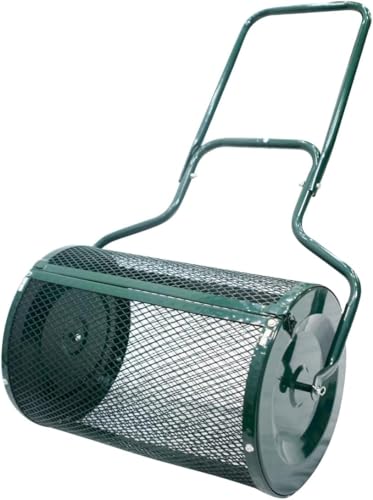
Sturdy and durable, with a rust-resistant powder-coated finish.

[Uniform and Efficient Spreading] This 30 inch compost spreader for lawn is engineered for consistent and uniform spreading, enhancing garden soil structure and nutrient absorption. Equipped with a thickened diamond-shaped mesh, it ensures refined particle filtration. A must-have Compost Spreader to achieve lush, healthy lawns and gardens.
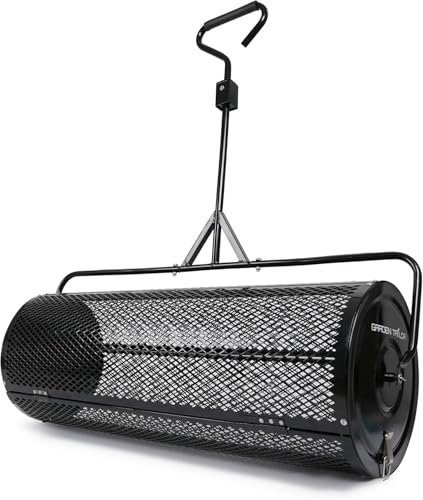
∮IDEAL FOR LAWN GUARDEN JOBS ∮- 44" Rolling width and 5.6 Cu. Ft. capacity. This spreader is the largest in our product line and is perfect for larger yards or bigger green-spaces - covering more ground for quicker results. This spreader is suitable for all types of fine-ground topdressing materials including compost, peat moss, topsoil, seeds, and manure. Making you quickly and easily have the lawn of your dreams!
Incorporating Compost into Garden Beds
Incorporating compost into your garden beds promotes healthier soil and plants. Follow these steps for optimal results:
- Prepare the Bed: Clear the garden bed of weeds, rocks, and debris.
- Spread the Compost: Distribute a 2-4 inch layer of compost evenly over the bed. Use shovel or trowel for even spreading.
- Mix with Soil: Use a garden fork or tiller to mix the compost with the top 6-12 inches of soil. This improves soil texture and nutrient availability.
- Water Thoroughly: Water the bed after mixing to help the compost integrate and activate beneficial microorganisms.
You can incorporate compost in the spring or fall, before planting or after the growing season.
Using Compost as Mulch
Using compost as mulch protects plants, retains moisture, and suppresses weeds. Apply it using these guidelines:
- Prepare the Area: Clear around the plants, ensuring there’s space for the mulch.
- Apply a Layer: Spread a 1-3 inch layer of compost around your plants, avoiding direct contact with stems and trunks.
- Maintain the Layer: Over time, mulch may settle or break down. Replenish it as needed to maintain thickness.
Using compost as mulch not only conserves moisture but also provides nutrients to your plants as it breaks down.
Best Practices for Compost Application
Using compost effectively enhances your garden’s growth and health. Here are some best practices to keep in mind for optimal compost application.
Recommended Products

Push & Tow Design: Our compost spreader can be used as a walk-behind unit or towed behind a tractor, ATV, or UTV using a 1" hitch pin. It features a 47.2" x Ø19.3" drum with a 7.2 cu ft capacity and 44" spreading width for yard and farm fertilizing tasks

PRECISE & EFFICIENT COVERAGE – Handheld seed spreader perfect for distributing grass seed, lawn food, fertilizer, salt, or ice melt evenly across your lawn or driveway for consistent results without waste. Helps create a healthy, green lawn without clumps or patchy spots.

Application: This compost spreader can not only be used as a lawn drop spreader for spreading fertilizers, grass seeds, etc., applied in scenarios such as lawns, farms, gardens, and flower beds. But also can be used as a garden tool cart to store and transport various gardening tools, such as rakes, shovels, scissors, etc
Timing and Frequency
Apply compost during the growing season for maximum benefits. Spring is ideal for enriching garden beds, while fall is perfect for preparing the soil for winter. For established gardens, side-dressing with compost every 4-6 weeks provides ongoing nutrients. Timing applications before major rain events also helps compost penetrate the soil better.
Avoiding Common Mistakes
Avoid piling compost directly against plant stems, as this can cause rot. Ensure even distribution to promote uniform growth. Don’t overload with compost; stick to a 2-4 inch layer in garden beds. Be cautious with using fresh compost, which can be too rich for young plants. Always let compost mature for several months before application to prevent burning sensitive roots.
Conclusion
Using compost in your garden is a simple yet powerful way to boost plant health and enrich your soil. Whether you choose to make your own or buy it from the store you’re making a choice that benefits both your garden and the environment.
By incorporating compost into your gardening routine you’re not just enhancing growth but also creating a thriving ecosystem. Remember to apply compost at the right times and in the right amounts to maximize its benefits.
With just a little effort you can transform your garden into a lush paradise where plants flourish and produce delicious fruits and vegetables. Happy gardening!
Frequently Asked Questions
What is compost and why is it beneficial for gardening?
Compost is a rich organic material made from decomposed kitchen scraps and yard waste. It’s beneficial for gardening as it enhances soil structure, increases water retention, and provides essential nutrients like nitrogen, phosphorus, and potassium, which promote healthy plant growth.
How do I make homemade compost?
To create homemade compost, collect kitchen scraps (greens) and yard waste (browns). Layer these materials in a compost bin, keeping a balanced ratio. Turn the pile regularly to aerate it and speed up decomposition. In a few months, you’ll have nutrient-rich compost ready for your garden.
What types of compost are available?
There are two main types of compost: homemade and store-bought. Homemade compost is eco-friendly and customizable, while store-bought compost offers convenience and immediate quality. Options include organic, specialty, or blended compost, which vary in nutrient content and use.
How should I use compost in my garden?
Incorporate compost by preparing your garden bed, spreading a 2-4 inch layer of compost, mixing it with topsoil, and watering thoroughly. You can also use compost as mulch to protect plants, conserve moisture, and suppress weeds; apply a 1-3 inch layer around plants.
When is the best time to apply compost?
The ideal times to apply compost are in the spring to enrich garden beds and in the fall to prepare soil for winter. For established gardens, side-dressing with compost every 4-6 weeks boosts ongoing nutrient availability, supporting healthy growth.
What are common mistakes to avoid when using compost?
Avoid piling compost against plant stems, overloading your garden with compost, and applying fresh compost on young plants. Ensure compost matures for several months before use to prevent burning sensitive roots. These practices will help maintain plant health and productivity.

My interest in trees started when I first saw the giant sequoias in Yosemite.I was a teenager then, and I remember thinking, “I need to learn more about this.”That moment stuck with me.A few years later, I went on to study forestry at Michigan Tech.
Since graduating, I’ve worked in a mix of hands-on tree care and community education.I’ve spent over ten years helping people understand how to plant, maintain, and protect the trees in their neighborhoods.I don’t see trees as just part of the landscape.They are living things that make a real difference in our daily lives.