Galls on pin oaks do not typically kill the tree but can cause significant stress and decline in health if left untreated. Identifying and managing these galls early can preserve the tree’s vitality and longevity.
Pin Oak Gall Symptoms and Causes
Pin oaks can be affected by various galls, which are abnormal growths caused by insects or pathogens. Understanding the symptoms and underlying causes of these galls is crucial for diagnosing their impact on tree health. This section delves into the specific signs to look for and the factors contributing to gall formation on pin oaks.
| Symptom | Primary Suspect | Difficulty 1-5 |
|---|---|---|
| Leaf distortion | Oak gall wasps | 2 |
| Premature leaf drop | Environmental stress | 3 |
| Twig dieback | Insect infestation | 4 |
| Reduced growth rate | Nutrient deficiency | 3 |
Identifying Galls on Pin Oaks
Identifying galls on pin oaks is essential for understanding their impact on tree health. These abnormal growths can vary in appearance and may indicate underlying issues. Recognizing the specific types of galls helps in determining whether they pose a threat to the tree’s vitality and overall well-being.
Galls are abnormal growths that appear on various parts of pin oaks. They are often caused by insects, particularly gall wasps, which lay eggs in the leaves or stems.
The tree responds by forming a protective growth around the eggs, resulting in galls. While these galls may look alarming, they are not usually fatal to the tree. However, heavy infestations can lead to stress and secondary issues.
Gall Infestation Symptoms in Pin Oaks
Identifying gall infestation symptoms in pin oaks is crucial for maintaining the health of these trees. Galls, which are abnormal growths caused by various insects and pathogens, can lead to significant stress and damage if left unchecked. Understanding the signs of infestation will help in diagnosing the issue early and taking appropriate action.
Recognizing the symptoms of gall infestations is essential for timely intervention. Symptoms can vary depending on the type of gall and the severity of the infestation. Common signs include:
-
Distorted leaves with abnormal shapes
-
Premature leaf drop, leading to reduced canopy density
-
Twig dieback, where branches appear dead or unhealthy
-
Stunted growth, indicating overall tree stress
Identifying these symptoms early allows for effective management strategies.
Insect Activity and Gall Formation Factors
Understanding the factors that contribute to insect activity and gall formation on pin oaks is essential for diagnosing potential threats to the tree’s health. Various insects, particularly gall-forming species, can influence the development of galls, which may impact the tree’s vitality. This section explores the relationship between these insects and gall formation, helping you assess the overall condition of your pin oak.
Galls primarily form due to insect activity, particularly from gall wasps. These wasps lay eggs in the tree tissue, triggering the tree to create galls. Other factors contributing to gall formation include:
-
Environmental stressors such as drought or poor soil conditions
-
Nutrient deficiencies, particularly in nitrogen or potassium
-
Fungal infections that can exacerbate gall formation
Understanding these root causes helps in developing targeted management strategies.
Effective Gall Management for Pin Oaks
Managing galls on pin oaks is essential for maintaining the health and vitality of these trees. Understanding the types of galls and their effects can help in implementing effective management strategies. This section outlines practical approaches to control and mitigate the impact of galls, ensuring your pin oaks thrive.
Managing galls on pin oaks involves several steps to minimize their impact. Follow this guide for effective treatment:
-
Inspect the tree regularly for signs of galls and other symptoms.
-
Prune affected branches to remove galls and improve airflow.
-
Apply insecticidal soap or horticultural oil to control gall wasps.
-
Fertilize the tree with a balanced fertilizer to promote healthy growth.
-
Monitor for secondary pests that may take advantage of the weakened tree.
Proper management can significantly reduce the impact of galls on pin oaks.
Essential Tools for Gall Management
Managing galls on pin oaks requires the right tools to effectively diagnose and address the issue. This section outlines the essential equipment and resources that can help you identify the type of galls present and determine the best course of action for maintaining the health of your tree. Proper preparation is key to successful gall management.
Before starting the management process, gather the necessary tools and supplies. This checklist includes:
-
Pruning shears for branch removal
-
Insecticidal soap or horticultural oil for treatment
-
Balanced fertilizer for nutrient support
-
Protective gloves and eyewear for safety
Having the right gear ensures efficient and safe management of galls.
Recommended Products

READY-TO-USE CONTACT SPRAY: No mixing required. Thoroughly spray insecticide on all plant parts, including the underside of leaves. Pests must be sprayed directly to achieve control
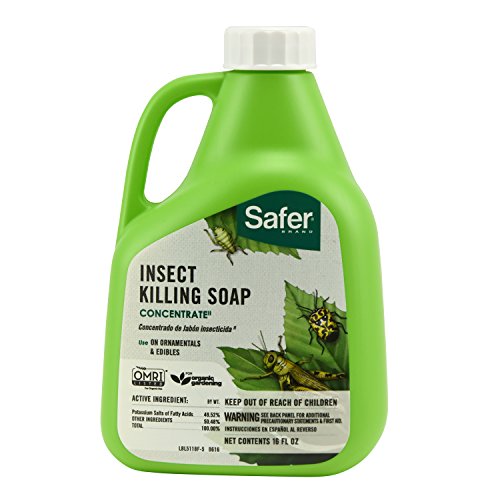
GENTLE ON MOST PLANTS - This aphid spray is ideal for use on flowers, herbs, vegetables, houseplants, lawn, tree, shrubs, and more

Bonide Liquid Insecticidal Soap 12 oz.88
Treatment Preparation and Safety Protocols
When dealing with galls on pin oaks, proper treatment preparation and safety protocols are essential for effective management. Understanding the necessary precautions and techniques ensures both the health of the tree and the safety of those applying treatments. This section outlines the critical steps to take before initiating any intervention.
Before beginning any treatment, ensure you are prepared. Consider these safety measures:
-
Wear protective gear, including gloves and eyewear.
-
Ensure that any chemicals used are safe for the environment and follow label instructions.
-
Work during dry weather to prevent chemical runoff and ensure effective treatment.
Taking these precautions protects both you and the environment.
Effective Gall Treatment Strategies
Managing galls on pin oaks requires a strategic approach to minimize their impact on tree health. Effective treatment strategies can help mitigate damage and promote recovery, ensuring the vitality of these trees. This section outlines practical methods for addressing gall infestations and maintaining the overall well-being of pin oaks.
Executing the treatment plan requires attention to detail. Follow these steps closely:
-
Identify the type of gall present on your pin oak.
-
Assess the severity of the infestation to determine the best course of action.
-
Implement pruning and chemical treatments as needed.
-
Monitor the tree’s recovery over the following weeks.
Regular monitoring is crucial for ensuring the health of your tree.
When to Consult an Arborist for Galls
Galls on pin oaks can raise concerns for many tree owners, prompting questions about their impact on tree health. While some galls may be harmless, others can indicate more serious issues. Understanding when to consult an arborist is crucial for maintaining the vitality of your pin oak and ensuring it thrives in its environment.
Sometimes, managing galls may require professional intervention. Consider contacting an arborist if:
-
The infestation is extensive and beyond your control
-
The tree shows signs of severe decline
-
You are unsure about the appropriate treatment methods
Professional arborists can provide specialized care and treatment options.
Gall Infestation Management for Pin Oaks
Managing gall infestations on pin oaks is crucial for maintaining the health and longevity of these trees. Understanding the types of galls and their impact can help in implementing effective control measures. This section provides practical strategies for addressing gall issues and ensuring your pin oaks thrive despite these challenges.
Ignoring galls on pin oaks can lead to severe tree decline and potential death. Act promptly to manage infestations and preserve tree health.

My interest in trees started when I first saw the giant sequoias in Yosemite.I was a teenager then, and I remember thinking, “I need to learn more about this.”That moment stuck with me.A few years later, I went on to study forestry at Michigan Tech.
Since graduating, I’ve worked in a mix of hands-on tree care and community education.I’ve spent over ten years helping people understand how to plant, maintain, and protect the trees in their neighborhoods.I don’t see trees as just part of the landscape.They are living things that make a real difference in our daily lives.