Have you ever wondered if treated lumber is safe for your garden beds? You’re not alone. Many gardeners face this dilemma when planning their outdoor spaces. Treated lumber can be tempting due to its durability and resistance to pests, but concerns about chemicals and soil health often arise.
Key Takeaways
- Understanding Treated Lumber: Treated lumber is chemically processed to resist decay and pests, but the type of treatment significantly affects its safety for garden use.
- Types of Treatments: ACQ and CA treatments are safer options for garden beds, containing fewer harmful chemicals compared to older treatments like CCA.
- Safety Practices: Always check for regulatory certifications and labels indicating suitability for garden use to minimize risks of chemical leaching.
- Benefits of Treated Lumber: Offers durability and resistance to pests and rot, potentially lasting up to 20 years, which can save time and money on replacements.
- Considerations: Be aware of potential chemical leaching, especially with edible plants, and evaluate costs, as treated lumber can be pricier than untreated options.
- Alternative Materials: Explore untreated lumber, eco-friendly materials, and repurposed items as safer alternatives for garden beds, promoting both sustainability and plant health.
Understanding Treated Lumber
Treated lumber is commonly used in outdoor projects, including garden beds, for its durability and resistance to pests. However, understanding its types and treatments helps you make an informed choice.
What Is Treated Lumber?
Treated lumber refers to wood that undergoes a chemical process to enhance its resistance to decay, insects, and weather conditions. Typically, it’s used in construction and landscaping to prolong the lifespan of wooden structures. The treatment involves infusing specific chemical preservatives into the wood fibers, allowing for better performance in outdoor environments.
- Pressure Treatment: Pressure-treated lumber is the most common type. In this method, wood is placed in a vacuum chamber, where preservatives are forced deep into the grain under high pressure. This process ensures maximum protection against rot and pests.
- ACQ (Alkaline Copper Quaternary): ACQ is a water-based preservative that contains copper and other biocides. It’s effective against fungal decay and insect damage. ACQ-treated lumber is safer for garden use as it contains fewer toxic chemicals than older treatments.
- CA (Copper Azole): CA is another type of water-based treatment that provides longevity and resistance to pests. Similar to ACQ, CA-treated wood releases fewer harmful substances, making it a more environmentally friendly option.
- Micronized Copper: Micronized copper treatments use small copper particles for protection against fungal growth and insect damage. It’s designed to be safer for the environment and can be used in gardens without concerns about leaching toxic substances into the soil.
Choosing the right type of treated lumber ensures your garden beds remain durable while minimizing risks to plant health.
Safety Concerns
Safety is a primary consideration when using treated lumber for garden beds. It’s essential to understand how the chemical treatments impact soil and plant health.
Chemical Treatments and Their Impacts
Treated lumber undergoes various chemical processes to enhance durability against decay and pests. Common chemicals include:
- Copper: Found in ACQ and CA treatments, copper protects against insects and fungi but can leach into the soil.
- Borate: This offers protection against termites and wood rot, posing minimal risks when used in garden applications.
- Chromated Copper Arsenate (CCA): Once widely used, it contains arsenic, making it unsafe for direct contact with soil.
Choose treated lumber certified for garden use to minimize risks. Opt for products labeled as safe for vegetable gardens, as they usually contain less harmful substances.
Regulatory Standards for Treated Lumber
Regulatory bodies have established standards for treated lumber to ensure its safety. The following points highlight key guidelines:
- American Wood Protection Association (AWPA): Sets standards for chemical treatments, ensuring they comply with safety practices for consumer use.
- Environmental Protection Agency (EPA): Regulates the use of specific chemicals, restricting potentially harmful substances in garden-compatible lumber.
- Labeling Requirements: Products must clearly state suitability for garden use, helping consumers make informed choices.
Always check product labels. Selecting lumber that complies with established safety regulations ensures a safer environment for your garden and plants.
Advantages of Using Treated Lumber for Garden Beds
Treated lumber offers several benefits that can enhance your gardening experience.
Recommended Products

【5 LB VALUE PACK】 Includes approximately 321 pieces of #10 x 3-inch deck screws and a matching star drive bit. The large 5 lb package is ideal for decks, fences, outdoor structures, woodworking and ongoing construction projects.

UNMATCHED STRENGTH: Made from a thick 3-gauge steel, these landscaping nails are built tough and won't bend during installation! Ensuring that your landscaping timbers, edging, and other projects like garden beds stay securely in place for years to come.
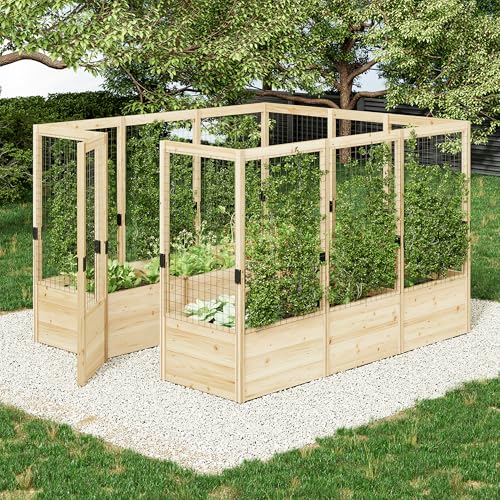
Deer Resistant Fence: Equipped with Deer Resistant fence, this raised garden bed kit provides an additional layer of protection, keeping unwanted animals at bay and safeguarding your plants.
Durability and Longevity
Treated lumber is designed to withstand the elements. This type of wood is chemically treated to resist decay, ensuring your garden beds last longer than untreated options. For example, pressure-treated lumber can last up to 20 years, even in harsh weather. Its enhanced durability means fewer replacements, saving time and money.
Resistance to Pests and Rot
Treated lumber provides excellent protection against pests and fungal rot. The chemicals used in treatment deter insects like termites and carpenter ants, protecting your garden from potential damage. For instance, using ACQ-treated lumber can effectively ward off pests, giving you peace of mind. This resistance ensures healthier plants and less worry about infestations, allowing you to focus on growing your garden.
Disadvantages of Using Treated Lumber for Garden Beds
Using treated lumber for garden beds presents some drawbacks that require careful consideration. Understanding these disadvantages helps you make informed choices for your garden.
Potential Chemical Leaching
Treated lumber contains chemicals that protect it from decay and pests. However, these treatments can leach into the soil over time. Leaching may affect soil health and the plants you grow. Studies indicate that certain chemicals, like copper and arsenic from older pressure-treated lumber (treated with Chromated Copper Arsenate, or CCA), can seep into the surrounding soil. It’s essential to be cautious, especially when growing edible plants. Using barriers, such as liners, can help mitigate this risk by preventing direct contact with treated wood.
Cost Considerations
Treated lumber generally costs more than untreated wood. While the initial investment can save money in the long run due to its durability, budgeting for garden projects is crucial. Depending on your region, prices can vary significantly. You’ll often pay around $2 to $4 per linear foot for treated lumber compared to $1 to $3 for untreated options. Assessing your overall budget for materials and maintenance will guide your decision on whether the benefits of treated lumber outweigh the costs.
Alternative Materials for Garden Beds
When considering alternatives to treated lumber for garden beds, several options provide safe and effective solutions. You can choose from untreated lumber, eco-friendly materials, or even repurposed items.
Recommended Products

Elevate Your Garden - Opt for a brilliantly engineered raised garden bed to revolutionize your gardening. Its spacious design, measuring 48x24x30 inches, allows for the cultivation of multiple vegetable varieties alongside a plethora of herbs, optimizing your gardening space for ease and diversity.

🪵 Solid American Cedar: Crafted from untreated 100% solid American cedar boards, it is ideal for growing vegetables, herbs, and flowers.

Perfect for growing vegetables, herbs, and flowers and ideal for patios, porches, decks, and balconies
Untreated Lumber Options
Untreated lumber offers a natural alternative for garden beds. It’s free from chemical treatments, making it a safer choice for soil health. You can use softwoods like pine, cedar, or redwood, which resist decay due to their natural oils.
- Cedar: Cedar lasts longer than most untreated woods, with an estimated lifespan of 10-15 years. It naturally repels insects and has a pleasant aroma.
- Redwood: Redwood shares similar benefits with cedar, lasting up to 25 years and adding aesthetic value to your garden.
- Pine: While less durable, pine is more affordable. Its lifespan is around 5-10 years, making it a popular choice for budget-conscious gardeners.
Staining or sealing untreated lumber can enhance its lifespan, but ensure any products used are non-toxic and suitable for garden application.
Other Eco-Friendly Materials
Several eco-friendly materials provide innovative gardening solutions. These options can promote sustainability and vegetable health.
- Wood Alternatives: Mixed materials like composite wood, created from recycled plastics and wood fibers, offer durability without harmful chemicals. This type of material can last over 25 years and requires little maintenance.
- Brick or Stone: Using bricks or stones creates a permanent garden bed structure. These materials provide excellent drainage and temperature regulation for plants.
- Metal: Galvanized steel or aluminum containers are durable and recyclable. Metal beds can last 20 years or more and evenly retain heat, benefiting plant growth.
- Bamboo: As a renewable resource, bamboo provides a lightweight, natural alternative. It lasts for about 5 years but can be a sustainable choice if regularly replaced.
- Reclaimed Materials: Repurposed items like old pallets or used barrels can help reduce waste. Ensure they’re free from harmful chemicals before use.
Choosing the right materials can enhance your garden’s longevity while ensuring a safer environment for plants.
Conclusion
Choosing treated lumber for your garden beds can be a smart decision if you weigh the pros and cons. Its durability and pest resistance can save you time and money in the long run. However it’s crucial to consider the potential risks of chemical leaching and select products that meet safety standards.
If you’re concerned about soil health or growing edibles, don’t hesitate to explore alternative materials. Whether you go for untreated lumber or eco-friendly options there are plenty of ways to create a thriving garden. Ultimately it’s all about finding the right balance that works for you and your garden. Happy gardening!
Frequently Asked Questions
Is treated lumber safe for garden beds?
Using treated lumber for garden beds can be safe, especially if it’s certified for garden use. Choose products labeled safe for vegetable gardens to minimize any potential risks of chemical leaching into the soil.
What chemicals are commonly used in treated lumber?
Common chemicals used in treated lumber include copper, borates, and Chromated Copper Arsenate (CCA). Understanding these substances helps assess the potential risks associated with their use in gardens.
What are the benefits of using treated lumber?
Treated lumber is durable and weather-resistant, with a lifespan of up to 20 years. It also provides excellent resistance to pests and fungal rot, allowing for healthier plants and reduced maintenance.
Are there any downsides to using treated lumber?
The main concern with treated lumber is the potential for chemical leaching, which may affect soil and plant health. Additionally, treated lumber typically costs more than untreated options, necessitating careful budget considerations.
What are alternative materials for garden beds?
Alternatives include untreated lumber like cedar or redwood, and eco-friendly options like composite wood, brick, stone, metal, bamboo, and reclaimed materials. Each alternative offers unique benefits, such as sustainability and natural decay resistance.

My interest in trees started when I first saw the giant sequoias in Yosemite.I was a teenager then, and I remember thinking, “I need to learn more about this.”That moment stuck with me.A few years later, I went on to study forestry at Michigan Tech.
Since graduating, I’ve worked in a mix of hands-on tree care and community education.I’ve spent over ten years helping people understand how to plant, maintain, and protect the trees in their neighborhoods.I don’t see trees as just part of the landscape.They are living things that make a real difference in our daily lives.