Have you ever wondered if you can use OSB for your raised garden beds? If you’re looking to create a thriving garden without breaking the bank, you might be considering alternative materials. OSB, or oriented strand board, is often used in construction, but is it suitable for gardening?
Key Takeaways
- OSB Suitability: OSB can be a cost-effective alternative for raised garden beds, but its durability is influenced by moisture exposure, requiring careful consideration.
- Cost-Effectiveness: OSB is typically more affordable than traditional options like cedar or redwood, costing between $7 to $15 per sheet, which can lead to significant savings for larger projects.
- Durability Limitations: Expect OSB’s lifespan to be around 3-7 years, especially in humid conditions, and consider using treated varieties for better moisture resistance.
- Health Considerations: Choose low-VOC or formaldehyde-free OSB to minimize potential chemical exposure when gardening, especially for edible plants.
- Best Practices: Seal OSB with waterproof sealants and line the interior with plastic to enhance durability and limit moisture contact, ensuring the integrity of the raised beds.
- Alternatives Available: Consider other materials like pressure-treated lumber, cedar, composite materials, or stone/concrete for raised beds based on your gardening goals and budget preferences.
Overview of OSB for Raised Garden Beds
OSB, or oriented strand board, is a versatile material often used in construction. This engineered wood product consists of strands of wood glued together, creating a strong panel suitable for various applications. When considering OSB for raised garden beds, several factors come into play.
Durability and Longevity
OSB’s durability depends on its exposure to moisture. While it’s generally resilient, prolonged contact with soil and water can lead to degradation. Choosing an OSB variant treated for moisture resistance may extend its lifespan in garden settings. Expect OSB to last between 5 to 7 years, compared to untreated wood, which may require replacement sooner.
Cost-Effectiveness
OSB is typically more affordable than alternatives like cedar or redwood. Prices can range from $7 to $15 per sheet, making it an attractive option for budget-conscious gardeners. The cost savings can be significant, especially for larger projects.
Ease of Use
Working with OSB is straightforward. It cuts easily with standard tools, making it simple to create custom bed sizes. To construct a raised bed, use screws or nails to join the panels, ensuring stability.
Environmental Impact
Using OSB can be more environmentally friendly than other materials. It often comes from sustainably managed forests. Additionally, the production process uses fewer resources compared to solid wood.
Health Considerations
When using OSB for gardening, it’s crucial to be aware of potential chemical exposure. Some OSB products may contain formaldehyde or other VOCs (volatile organic compounds). Choosing low-VOC or formaldehyde-free OSB can minimize risks to plants and your health.
Alternatives
While OSB is a viable option, consider alternatives like pressure-treated lumber, composite materials, or concrete blocks. Each has its pros and cons, but your choice should align with your gardening goals and environmental preferences.
OSB offers a practical and cost-effective solution for raised garden beds. By understanding its properties and limitations, you can determine the best approach for your gardening needs.
Benefits of Using OSB
Using OSB for raised garden beds offers several advantages that can enhance your gardening experience. Understanding these benefits helps you make an informed choice.
Recommended Products

Pack of 2 Raised Garden Bed - Add a new level of convenience to your gardening experience with the lightweight Galvanized Raised Garden Bed. Enjoy expanded yield and a more assembled garden layout with this garden accessory, each sized at 72 Inches x 24 Inches x 12 Inches.

Raised Garden Bed: Cultivate plants like vegetables, flowers, herbs in your patio, yard, garden, and greenhouse

【Maintenance-Free Vinyl Construction】: Built from premium vinyl, this raised garden bed resists rust, rot, fading, and harsh weather without painting or sealing. Unlike traditional wood or metal beds, it stays beautiful season after season with minimal maintenance
Cost-Effectiveness
OSB stands out for its affordability. Typically, it’s cheaper than materials like cedar or redwood, often costing 25-50% less. This cost savings allows you to allocate more of your gardening budget towards plants and soil. For example, if a cedar board costs $15 for a 6-foot length, an equivalent piece of OSB might only run you $7. Lower material costs can lead to substantial savings, especially when building larger beds.
Availability and Ease of Use
OSB is widely available at most home improvement stores, making it convenient to find for your project. You won’t face difficulties locating it. Plus, OSB is easy to work with. Most can cut it with standard tools like a circular saw or jigsaw. Its lightweight nature makes handling and assembly simple. You can construct a robust raised garden bed with just basic carpentry skills, which saves time and effort. For instance, a weekend project to build a 4-foot by 8-foot bed is easily achievable with OSB.
Drawbacks of Using OSB
While OSB offers advantages for raised garden beds, it’s crucial to understand its limitations.
Recommended Products

High-Quality Material: Made of ultra-durable non-woven fabric, this piece of landscape fabric is the perfect liner for the Large Vegetable Tank Outdoor Large Raised Bed. The liner is porous enough to allow excess water to drain and tough enough to stop soil from escaping
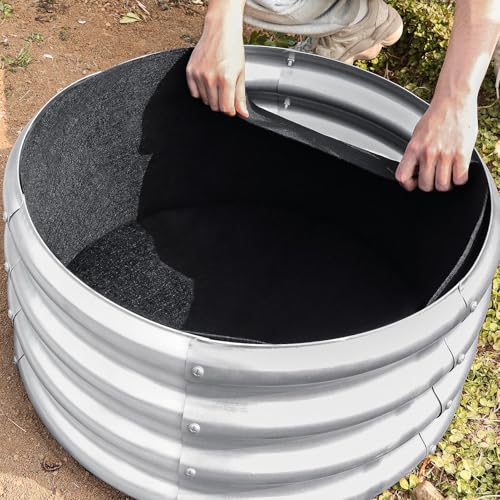
Metal Planting Bed Liner: This is a fabric planting bag specially designed for metal raised planting beds, it can effectively protect your metal planting beds, and can be directly used as a plant growing bag alone

✅ PROFESSIONAL GRADE NON-WOVEN LINER - This heavy-duty black fabric liner is engineered specifically for raised bed gardening. Unlike woven barriers, our breathable non-woven material allows optimal air and water flow to prevent root rot while acting as a superior weed blocker and soil containment barrier.
Durability Concerns
OSB lacks the natural rot resistance of wood species like cedar or redwood. Prolonged exposure to moisture can cause OSB to swell, warp, or deteriorate. If you’re in a humid climate, opting for treated OSB may extend its lifespan, but even treated variants won’t last as long as higher-quality woods. Expect a lifespan of around 3-7 years for untreated OSB used in direct soil contact, depending on environmental conditions. If you plan to keep your garden beds for many years, consider alternatives that offer greater durability.
Chemical Treatments and Safety
Many OSB products are treated with chemicals to resist moisture and pests. This treatment can include adhesives that may release volatile organic compounds (VOCs) over time. For those gardening organically or growing edible plants, these chemicals could pose health risks. Always look for low-VOC or formaldehyde-free OSB to mitigate these concerns. If you choose to use OSB, line the interior with a plastic barrier to limit soil contact with the wood, ensuring a more secure and healthier environment for your plants.
Best Practices for Using OSB in Gardening
When using OSB for raised garden beds, following best practices ensures longevity and minimizes potential issues. Here’s how to make the most out of your OSB garden beds.
Recommended Products
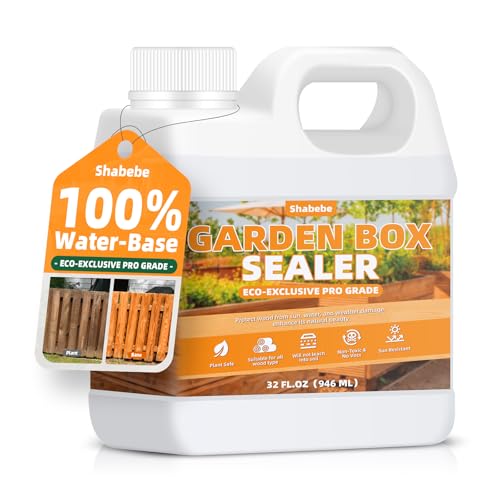
PROFESSIONAL-GRADE PROTECTION FOR ALL WOOD TYPES: Our premium wood sealer penetrates deep into wood surfaces to help protect against the effects of moisture, sun exposure, and outdoor wear. Suitable for cedar, pine, hardwood, bamboo, and pressure-treated wood. A great choice for garden beds, planter boxes, fences, and other outdoor wood structures. Note: Not recommended for laminated or coated wood.

PRO-GRADE WOOD SEALER FOR OUTDOOR USE: Upgraded pro-grade formula designed for outdoor wood projects. Penetrates into wood fibers to help reduce moisture absorption and surface wear caused by sun and changing weather. Suitable for raised garden beds, planter boxes, fences, and other non-coated outdoor wood surfaces.

No harsh smells during or after application
Sealing and Protecting OSB
Seal OSB before placing it in your garden to enhance its durability. Use a waterproof sealant or exterior paint designed for wood. This step reduces moisture absorption and helps prevent rot. Make sure to apply the sealant on all sides, including the edges, to create a full barrier. Consider reapplying the sealant every couple of years for sustained protection. Additionally, lining the interior of the garden bed with a plastic barrier can further limit moisture exposure, preserving the integrity of the wood.
Alternatives to OSB
If OSB doesn’t seem like the right fit, several alternatives provide similar benefits.
- Pressure-Treated Lumber: This option offers enhanced durability against rot and pests. Pressure-treated wood can last 10-20 years with proper care.
- Cedar: Naturally resistant to decay and insects, cedar is a popular choice among gardeners. It can last 10-15 years without treatment.
- Composite Materials: These materials combine wood fibers and plastics, providing a low-maintenance option that resists warping and rotting.
- Stone or Concrete: For a more permanent solution, consider stone or concrete blocks. These materials offer exceptional longevity and stability.
Evaluate your gardening goals, budget, and environmental concerns when choosing the best material for your raised garden beds.
Conclusion
Using OSB for your raised garden beds can be a smart choice if you’re looking for an affordable and accessible option. Just keep in mind its limitations regarding moisture exposure and lifespan. With proper sealing and maintenance you can extend its usability and protect your plants.
Consider your gardening goals and the environment you’ll be working in. If you’re ready to embrace a DIY project OSB can be a great way to get started. Just remember to choose wisely and prioritize your plants’ health along the way. Happy gardening!
Frequently Asked Questions
What is OSB and how is it made?
OSB, or oriented strand board, is an engineered wood product made from strands of wood bonded together with adhesives. It is produced by combining wood strands, which are then compressed under heat and pressure to create panels. This process makes OSB a versatile material suitable for various applications, including construction and gardening.
Is OSB a good material for raised garden beds?
OSB can be a cost-effective choice for raised garden beds. It is more affordable than natural woods like cedar or redwood, making it accessible for budget-conscious gardeners. However, it is essential to consider its durability, as prolonged exposure to moisture can lead to degradation.
How long does OSB last in garden beds?
The lifespan of untreated OSB in direct soil contact is generally around 3-7 years. Its longevity can be extended by using treated variants, although they still may not match the durability of higher-quality woods. Proper sealing and maintenance can also help improve its longevity.
How can I protect OSB when using it for gardening?
To protect OSB, apply a waterproof sealant or exterior paint to all sides before use, reducing moisture absorption. Regular reapplication every few years is recommended. Additionally, lining the interior of garden beds with plastic can limit soil contact and prevent rotting.
Are there any health concerns with using OSB?
Some OSB products contain chemicals that can release volatile organic compounds (VOCs), posing health risks, particularly for organic gardening. It’s advisable to choose low-VOC or formaldehyde-free options to minimize exposure and ensure a safer gardening environment.
What are some alternatives to OSB for raised garden beds?
Alternatives to OSB include pressure-treated lumber, cedar, composite materials, and stone or concrete. Each option offers different levels of durability, maintenance, and cost. Consider your gardening goals, budget, and environmental concerns when selecting the best material for your project.

My interest in trees started when I first saw the giant sequoias in Yosemite.I was a teenager then, and I remember thinking, “I need to learn more about this.”That moment stuck with me.A few years later, I went on to study forestry at Michigan Tech.
Since graduating, I’ve worked in a mix of hands-on tree care and community education.I’ve spent over ten years helping people understand how to plant, maintain, and protect the trees in their neighborhoods.I don’t see trees as just part of the landscape.They are living things that make a real difference in our daily lives.