Are you wondering if you can spray Roundup before planting your garden? You’re not alone. Many gardeners face the challenge of dealing with stubborn weeds while trying to create a beautiful outdoor space. It’s tempting to reach for a herbicide to clear the way, but is it safe for your future plants?
Key Takeaways
- Understanding Roundup: Roundup is a non-selective herbicide containing glyphosate, which efficiently targets and kills a wide range of weeds, vital for weed control before planting.
- Optimal Application Timing: Spray Roundup 1 to 2 weeks prior to planting to allow effective weed elimination while minimizing its impact on future plants.
- Weed Control Benefits: Pre-planting application of Roundup provides a cleaner garden, better soil preparation, healthier plants, and simplified maintenance by controlling existing weeds.
- Safety Considerations: Be aware of Roundup’s potential effects on soil health and future plant growth. Wait 1 to 2 weeks after application before planting and test soil for residues if concerned.
- Exploring Alternatives: Consider organic options like vinegar, salt solutions, or corn gluten meal, as well as manual methods such as hand pulling and mulching for a chemical-free approach to weed control.
Understanding Roundup
Roundup is a widely used herbicide designed to eliminate unwanted weeds effectively. Understanding its components and effects is crucial before applying it in your garden.
What Is Roundup?
Roundup is a non-selective herbicide that targets and kills a broad range of weeds and grasses. It’s essential for gardeners struggling with persistent weeds. Its active ingredient, glyphosate, disrupts the plant’s ability to produce certain proteins necessary for growth. This mechanism makes it effective for controlling weeds before planting new crops or flowers.
Active Ingredients in Roundup
Roundup’s main active ingredient is glyphosate. Glyphosate acts by inhibiting a specific enzyme pathway found in plants and some microorganisms, leading to plant death. In addition to glyphosate, Roundup includes surfactants, which help the herbicide adhere to the plant surface. This combination enhances the effectiveness of glyphosate, ensuring thorough weed control.
For specific formulations, always check the label, as some contain additional ingredients designed for particular environments or plant types. Familiarizing yourself with these components ensures you understand their effects on both weeds and future garden plants.
Timing and Application
Timing plays a crucial role in the effective use of Roundup before planting a garden. You need to ensure that the application aligns with your gardening schedule for best results.
Recommended Products

Visible Results in One Hour - Spruce is designed to break down plant cells so weeds die from dehydration. The hardworking weed spray can kill all types of broadleaf and grassy weeds including dandelions, large crabgrass, white clover, dollarweed and morning glory vines.
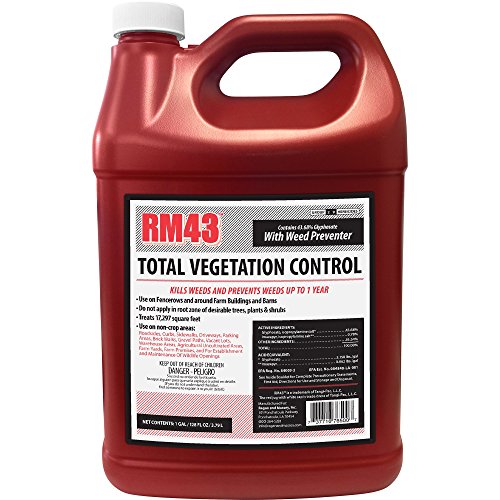
Concentrated mix with water, add to sprayer

Roundup Dual Action 365 Weed & Grass Killer Plus 12 Month Preventer provides one-step weed protection for up to 12 months
When to Spray Roundup
Apply Roundup at least 1 to 2 weeks before planting your garden. This timeframe allows glyphosate to fully work on the weeds and reduces its impact on future plants. Make sure to check the weather; a dry period with no rain for at least 24 hours after application facilitates better absorption into the weeds. Additionally, avoid windy days to prevent drift onto desirable plants.
Benefits of Pre-Planting Application
Using Roundup before planting offers several advantages:
- Weed Control: Eliminates existing weeds efficiently, providing a cleaner garden space.
- Soil Preparation: Prepares the soil better for planting as it reduces competition for nutrients and water.
- Healthier Plants: Encourages stronger plant growth without the interference of invasive weeds.
- Simplified Maintenance: Reduces the need for frequent weeding later in the season.
By spraying Roundup before planting, you create an optimal environment for your garden to thrive.
Safety Considerations
Using Roundup before planting a garden requires careful thought about safety. Understanding its effects on soil health and future plants helps make informed decisions.
Recommended Products

Quick, at home results for Soil pH, Nitrogen, Phosphorous and Potash Innovative and inexpensive soil test kit features an easy-to-use capsule system and patented color comparators

KNOW BEFORE YOU GROW | Grow the healthiest, sustainable lawn and garden with the most accurate and easy to use professional soil test kit on the market

Accurate Soil pH Testing: Dewildetradingco Soil pH Test Strips offer measurements of soil pH levels (pH 3.5-9). As an essential tool for every gardener and grower, these test strips help determine the optimal pH for various plants, such as outdoor plants, indoor plants, gardens, grass lawns, fruit trees, flowers, vegetables, and forest shrubs.
Effects on Soil Health
Roundup’s active ingredient, glyphosate, can impact soil microorganisms that promote plant health. Applying Roundup may temporarily reduce beneficial bacteria and fungi essential for nutrient cycling. Soil testing before and after application provides insight into any changes.
To enhance safety:
- Choose the right formulation by checking labels.
- Apply Roundup during suitable weather conditions, avoiding rain forecasts.
- Avoid over-application, as excessive amounts can harm soil ecosystems.
Impacts on Future Plants
Using Roundup can affect the growth of desired plants planted after application. Glyphosate can linger in the soil, inhibiting growth for weeks. Certain plant types are more sensitive than others.
To minimize negative effects:
- Wait at least 1 to 2 weeks after applying Roundup before planting.
- Test soil for glyphosate residues if you’re concerned about future plants being affected.
- Use cover crops that can tolerate glyphosate or non-chemical weed control strategies if applicable.
Following these safety measures helps ensure healthy gardening practices while maintaining effective weed control.
Alternatives to Roundup
You can explore several effective alternatives to Roundup for controlling weeds before planting your garden. These options help manage weeds while promoting a healthier soil environment.
Recommended Products
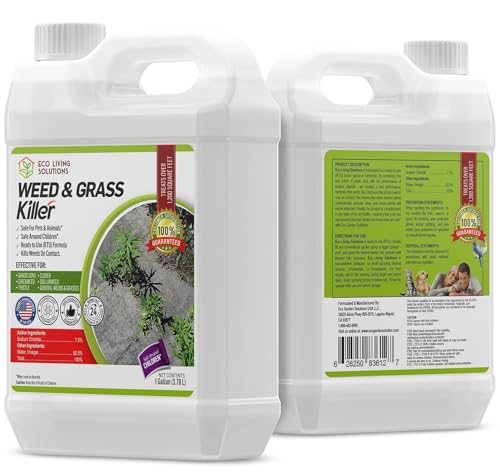
✔️ PET & KID SAFE HERBICIDE - Eco Garden Pro Weed Killer is designed with you and your family in mind! All of our ingredients are carefully selected to be SAFE FOR: PETS, CHILDREN, BEES, FISH, AND ANY LIVESTOCK!

✅ All Natural and Safe Product- Safe for your family, safe for your pets.

CONTAINS NO GLYPHOSATE - Natural, Concentrated Formula For Making 250+ Types of Weeds and Grasses Stop Right in Their Tracks. Weeds and Grass Will Look Like You Took A Torch To Them.
Organic Herbicide Options
Organic herbicides provide a more natural approach for weed management without chemical residues. Here are a few common options:
- Vinegar-Based Herbicides: Use household vinegar with at least 10% acetic acid for effective weed control. Spray it directly on weeds, as the acidity burns the plant.
- Salt Solutions: A mixture of salt and water can also deter weeds. Combine 3 parts salt with 1 part water, then apply directly to unwanted plants. Use caution, as salt can damage surrounding soil if used in excess.
- Corn Gluten Meal: This natural herbicide works by inhibiting seed germination. Spread it on the garden area before weeds sprout for effective prevention.
Manual Weed Control Methods
Manual weed control methods offer a hands-on approach to maintaining a weed-free garden. Consider these techniques:
- Hand Pulling: Regularly pull weeds by hand, ensuring you remove the entire root. This method proves effective for small areas and allows for immediate control.
- Hoeing: Use a hoe to disrupt the soil and sever weed roots. This technique works best when weeds are young and tender.
- Mulching: Apply a layer of organic mulch, such as straw or wood chips, around plants. Mulch prevents sunlight from reaching weeds, suppressing their growth and retaining soil moisture.
- Boiling Water: Pouring boiling water directly on weeds instantly kills them. This method is useful for tough weeds and is chemical-free.
By opting for these alternatives, you create a healthy garden environment while effectively managing weeds.
Conclusion
Using Roundup before planting your garden can be effective for managing weeds but comes with considerations. Timing is key to minimize its impact on future plants. If you decide to use it make sure to follow safety measures and allow enough time for glyphosate to break down in the soil.
Don’t forget there are plenty of alternatives available that can help you maintain a weed-free garden without relying on chemicals. Embracing organic options or manual methods can lead to a healthier growing environment. Ultimately it’s all about finding the right balance that works for you and your garden. Happy gardening!
Frequently Asked Questions
Is it safe to use Roundup before planting a garden?
Using Roundup before planting a garden requires caution. It’s important to apply it 1 to 2 weeks prior to planting to allow glyphosate to work while reducing its impact on future plants. Always check product labels for formulations and adjust your application based on local conditions.
How does Roundup work?
Roundup is a non-selective herbicide that contains glyphosate, which disrupts plant growth by inhibiting protein production essential for plant life. This means it can eliminate a wide range of weeds and grasses effectively, making garden preparation easier.
When should I apply Roundup before planting?
It’s recommended to apply Roundup 1 to 2 weeks before planting. This timing allows the herbicide to clear weeds and minimizes its effect on any future crops you intend to plant, ensuring a healthier garden environment.
What are the safety concerns using Roundup?
Using Roundup can temporarily affect beneficial soil microorganisms critical for nutrient cycling. To enhance safety, consider soil testing before and after application and apply under suitable weather conditions, avoiding over-application and waiting 1 to 2 weeks before planting.
Are there alternatives to Roundup for weed control?
Yes, several alternatives exist for weed control before planting. Organic herbicides, such as vinegar-based solutions and corn gluten meal, as well as manual methods like hand pulling and mulching, provide effective, chemical-free options to maintain a weed-free garden.

My interest in trees started when I first saw the giant sequoias in Yosemite.I was a teenager then, and I remember thinking, “I need to learn more about this.”That moment stuck with me.A few years later, I went on to study forestry at Michigan Tech.
Since graduating, I’ve worked in a mix of hands-on tree care and community education.I’ve spent over ten years helping people understand how to plant, maintain, and protect the trees in their neighborhoods.I don’t see trees as just part of the landscape.They are living things that make a real difference in our daily lives.