Have you ever wondered what to do with all those vegetable peelings after cooking? You’re not alone. Many people face the dilemma of how to dispose of kitchen scraps while keeping their gardens healthy and thriving.
Using a garden waste bin can be a great solution, but you might be unsure if vegetable peelings belong there. This article will clarify whether you can toss those scraps into your garden waste bin and explain the benefits of doing so. By the end, you’ll know how to make the most of your kitchen waste and contribute to a greener garden.
Key Takeaways
- Vegetable Peelings Allowed: You can put vegetable peelings in your garden waste bin, but verify local regulations as acceptance may vary by area.
- Nutrient Benefits: Adding vegetable peelings enriches soil with essential nutrients like nitrogen, phosphorus, and potassium, promoting healthier plants.
- Proper Layering: For effective decomposition, alternate layers of green materials (e.g., vegetable peelings) with brown materials (e.g., dry leaves) in your garden waste bin.
- Composting Alternative: Consider composting as a sustainable alternative to garden waste bins, as it creates nutrient-rich soil and reduces landfill waste.
- Avoid Contaminants: Steer clear of adding peels from heavily processed or treated vegetables to prevent harmful chemicals from entering your compost or garden waste.
- Pest Management: Protect your garden from pests by securely managing your waste bin and minimizing odors through proper layering of materials.
Understanding Garden Waste Bins
Garden waste bins serve as a convenient option for disposing of organic materials. They typically accept a range of plant debris, such as grass clippings, leaves, and branches. Here’s what you need to know about using these bins effectively.
What Can Go In A Garden Waste Bin?
- Plant Debris: Grass clippings, leaves, and flowers can easily go in.
- Prunings: Small branches and twigs from shrubs and trees fit well.
- Weeds: You can include annual weeds, but avoid seeding weeds to prevent spreading.
What Can’t Go In A Garden Waste Bin?
- Kitchen Scraps: Avoid including food waste like meat, dairy, and oils.
- Non-biodegradable Items: Plastic bags, metals, and glass should not enter.
Can You Put Vegetable Peelings In A Garden Waste Bin?
You can add vegetable peelings to a garden waste bin. However, check with your local guidelines regarding this material. Some waste management services accept kitchen scraps, while others do not.
Tips For Using Garden Waste Bins
- Layering: Alternate between green materials (e.g., vegetable peelings) and brown materials (e.g., dry leaves).
- Shredding: Shredding larger items can speed up the decomposition process.
- Check Local Rules: Always review your area’s waste management policies to ensure compliance.
Additional Considerations
You may consider composting as an alternative to using garden waste bins. Composting can enrich your garden soil and provide a sustainable way to recycle kitchen scraps. It’s a great option if you’re looking for a more hands-on approach to waste disposal.
Types of Organic Waste
Understanding the types of organic waste helps you manage your garden waste bin effectively. Organic waste falls into two main categories: garden waste and kitchen waste.
Garden Waste
Garden waste refers to materials collected from outdoor spaces. This includes:
- Grass Clippings: Freshly cut grass contributes nitrogen, enriching the compost.
- Leaves: Fallen leaves add carbon and improve texture.
- Small Branches: Shredded branches break down slowly, adding structure to compost.
Properly managing garden waste enhances soil health. Layering different materials aids in decomposition and balances nutrient content.
Kitchen Waste
Kitchen waste consists of food scraps generated during meal preparation. Common kitchen waste items include:
- Vegetable Peelings: Carrot, potato, and cucumber peelings are suitable for garden bins.
- Fruit Scraps: Apple cores and banana peels provide essential nutrients.
- Coffee Grounds: Used coffee grounds benefit the soil with nitrogen.
When disposing of kitchen waste, always check local guidelines to confirm what’s acceptable. Composting is another option, allowing you to recycle scraps into nutrient-rich soil.
Can You Put Vegetable Peelings in Garden Waste Bin?
Yes, you can add vegetable peelings to your garden waste bin. Many waste management services accept these kitchen scraps, but it’s best to check local regulations for any specific guidelines.
Recommended Products

Stylish & Attractive Design – Attractively crafted with a dome-shaped lid, this stylish indoor compost bin can be placed right on your kitchen countertop to provide easy access at all times while adding an elegant look to your kitchen decor.
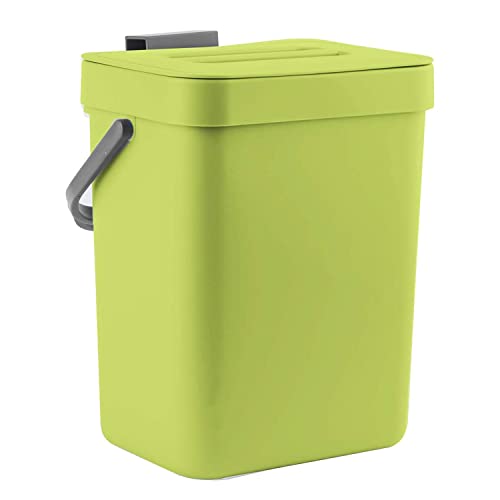
Hangable & Mountable: The small trash can with lid can be easily hung on the doors of kitchen cabinets, office lockers or bedroom drawers. Moreover, this food waste caddy can also be wall-mounted to your cupboard, kitchen wall or bathroom wall with adhesive pad.

FEATURED IN BON APPETIT & FORBES: Recognized by renowned magazines, EPICA’s compost bin is a perfectly sized marvel for your kitchen, compact yet spacious enough to hold days' worth of compostable organic waste. Measures 7.16" in diameter x 11" high.
Benefits of Adding Vegetable Peelings
- Nutrient-Rich Addition: Vegetable peelings break down and enrich the soil with essential nutrients like nitrogen, phosphorus, and potassium.
- Improved Soil Structure: Decomposing peelings improve soil aeration and water retention, benefiting plant growth.
- Waste Reduction: Using vegetable scraps in your garden waste bin reduces landfill contributions and promotes recycling efforts.
- Encourages Biodiversity: Adding diverse organic materials supports beneficial microorganisms in your soil.
- Local Guidelines: Some areas may have restrictions on kitchen waste. Always confirm what is allowed in your garden waste bin.
- Pest Attraction: If not managed properly, vegetable peelings can attract pests. Use a secure bin and consider layering materials to reduce odors.
- Decomposition Time: Some vegetable peelings may take longer to decompose than others. Shredding them can speed up the process.
- Contamination Risks: Avoid adding peels from processed or heavily-treated vegetables, as these can introduce harmful chemicals into your compost.
Best Practices for Composting
Composting vegetable peelings effectively enhances your garden’s health. Follow these best practices to optimize your composting efforts.
Recommended Products

Twin chambers: Two separate chambers allow one side to finish composting while leaving the other side available to add fresh wastes; Constant alternation of the two sides will create an uninterrupted stream of nutritious compost

Speed Your Compost Pile - Using this compost starter can add air to your bin full of grass clippings, leaves, and vegetable scraps for speeding up compost process
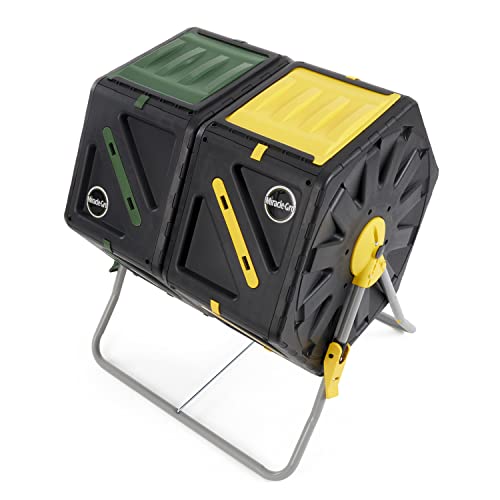
YOUR RECIPE FOR PLENTIFUL PLANTS – Do you dream of a huge harvest or a front yard full of vibrant flowers? Achieve all of your garden goals with Miracle-Gro’s large 2x – 18.5 (70L) dual chamber rolling compost tumbler! It’ll help you produce a constant and abundant flow of the coveted “black gold.” Give your plants the nutrient-dense fertilizer they crave, and watch your garden bloom like never before!
Layering Materials
Layering helps decompose organic material efficiently. Alternate between greens, like vegetable peelings, and browns, such as dry leaves or shredded paper. This combination maintains balanced carbon and nitrogen levels.
Shredding Larger Items
Shred or chop larger vegetable scraps to speed up decomposition. Smaller pieces break down faster, ensuring quicker nutrient release into the soil.
Monitoring Moisture Levels
Keep compost moist but not soggy. A damp sponge texture promotes microbial activity. If compost feels dry, add water. If it’s too wet, mix in more browns to absorb excess moisture.
Turning Your Compost
Turn your compost regularly to aerate it. Aeration ensures microorganisms thrive, speeding up decomposition. Aim to turn it every few weeks for optimal results.
Avoiding Processed Foods
Refrain from adding processed vegetable scraps to your compost. Items like pickles or cooked vegetables may introduce excess salt, oil, or preservatives, which can harm beneficial microbes.
Checking Local Guidelines
Review your local waste management guidelines. Some areas have specific rules about what can be composted. Following these rules ensures effective waste management while promoting a healthy garden.
- Foul Odors: Odors indicate too many greens or insufficient aeration. Add more browns and turn the compost.
- Pests: If pests are attracted, ensure your compost is balanced and covered. Adding a layer of browns on top can deter them.
- Slow Decomposition: Slow breakdown hints at too many large items, insufficient moisture, or lack of aeration. Adjust materials and conditions accordingly.
By following these best practices, you’ll create nutrient-rich compost that enhances your garden while effectively managing kitchen scraps.
Conclusion
Using vegetable peelings in your garden waste bin is a great way to contribute to a healthier garden. Not only do they provide essential nutrients to the soil but they also help reduce waste in landfills. Just remember to check your local guidelines to ensure you’re following the rules for what can go in your bin.
With a little care and attention to detail you can create a thriving garden ecosystem. Whether you choose to compost or use your garden waste bin both methods can lead to a more sustainable and vibrant garden. So go ahead and make the most of those kitchen scraps; your plants will thank you!
Frequently Asked Questions
Can I dispose of vegetable peelings in my garden waste bin?
Yes, you can typically dispose of vegetable peelings in garden waste bins. However, it’s essential to check your local waste management guidelines, as rules may vary by region.
What materials can I include in my garden waste bin?
You can add organic materials like grass clippings, leaves, small branches, and vegetable peelings. Avoid including processed foods or non-organic items to prevent contamination.
What is composting, and why is it beneficial?
Composting is the process of recycling organic waste into nutrient-rich soil. It enriches the soil, reduces landfill waste, improves soil structure, and promotes biodiversity in your garden.
How can I speed up the decomposition of kitchen scraps?
To speed up decomposition, layer materials, shred larger items, and monitor moisture levels. Regularly turning the compost also helps aerate it and enhance breakdown.
What should I avoid adding to my compost?
Avoid adding processed foods, dairy products, or meats, as they attract pests and may harm beneficial microbes. Stick to fruit and vegetable scraps, coffee grounds, and yard waste.
What are the benefits of adding vegetable peelings to compost?
Vegetable peelings enrich the compost with essential nutrients, improve soil health, and promote a healthier garden ecosystem. They also help reduce waste going to landfills.
How do I know if my compost is ready to use?
Your compost is ready to use when it turns dark, crumbly, and has an earthy smell. It should no longer resemble the original materials, indicating proper decomposition.
Can kitchen scraps attract pests in compost?
Yes, certain kitchen scraps can attract pests, especially if not managed properly. To prevent this, avoid adding meat or dairy and ensure proper aeration and moisture levels in your compost.

My interest in trees started when I first saw the giant sequoias in Yosemite.I was a teenager then, and I remember thinking, “I need to learn more about this.”That moment stuck with me.A few years later, I went on to study forestry at Michigan Tech.
Since graduating, I’ve worked in a mix of hands-on tree care and community education.I’ve spent over ten years helping people understand how to plant, maintain, and protect the trees in their neighborhoods.I don’t see trees as just part of the landscape.They are living things that make a real difference in our daily lives.