Have you ever looked at a concrete patio or driveway and wondered if you could turn that hard surface into a thriving garden? You’re not alone. Many people face the challenge of limited yard space or poor soil, leading them to consider unconventional gardening solutions.
Key Takeaways
- Garden Bed Types: Explore various options like raised beds, container gardens, in-ground beds, and vertical gardens to maximize gardening potential on concrete surfaces.
- Benefits of Garden Beds: Enhanced drainage, better soil control, effective pest management, and reduced back strain make garden beds an excellent choice for urban gardening.
- Concrete Challenges: Be aware of drainage issues and temperature regulation when placing garden beds on concrete to protect plant health.
- Space Utilization: Transforming concrete areas into productive gardens optimizes limited space, making it feasible to grow vegetables, herbs, and flowers in urban settings.
- Accessibility Improvement: Raised beds on concrete provide comfortable gardening heights, making it easier for individuals with mobility challenges to maintain their gardens.
- Installation Tips: Properly prepare the concrete surface by cleaning, creating drainage, leveling, laying a weed barrier, and using quality soil to ensure the success of your garden beds.
Understanding Garden Beds
Garden beds offer a structured way to grow plants, allowing you to maximize limited space. They enhance the aesthetics of a concrete area while providing a suitable environment for roots to thrive.
Recommended Products
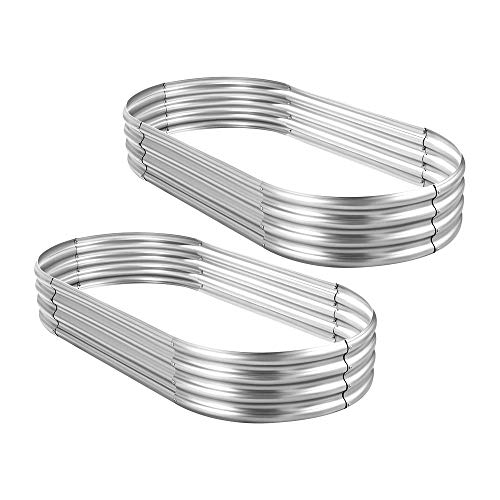
Each raised metal garden bed size: 4×2×1ft , 7Cu
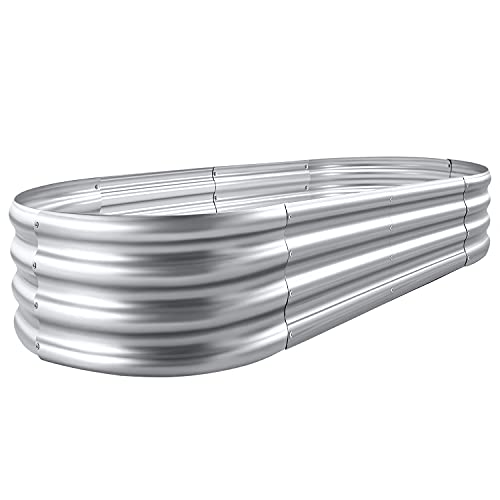
Each raised metal garden bed size: 4×2×1ft ,7.14Cu
Types of Garden Beds
- Raised Beds: Elevated soil areas framed by materials like wood or stone. Raised beds improve drainage and soil quality.
- Container Gardens: Pots or planters for growing plants. They’re versatile and ideal for small spaces.
- In-Ground Beds: Directly planted in the ground, these beds use existing soil. They require good soil conditions and may not work well on concrete.
- Vertical Gardens: Plants grown upward using trellises or wall-mounted systems. They save space and create a unique visual effect.
- Improved Drainage: Garden beds allow excess water to drain easily. This prevents root rot and enhances plant health.
- Better Soil Control: You control the soil mixture, providing optimal nutrients for plants. This leads to healthier growth.
- Pest Management: Elevated beds can help deter pests and make maintenance easier. Increased visibility simplifies monitoring for diseases or insects.
- Aesthetic Appeal: Garden beds add visual interest. They transform dull concrete into vibrant green spaces, enhancing property value.
- Reduced Back Strain: Raised beds reduce bending and reaching, making gardening more comfortable for you.
Incorporating garden beds on concrete offers a multitude of possibilities for urban gardening. Each type provides unique advantages, helping you achieve a flourishing garden regardless of the original conditions.
The Challenges of Concrete
Gardening on concrete presents several challenges that you should consider before transforming your space.
Issues with Drainage
Concrete prevents natural water absorption, leading to potential drainage issues. Without a proper drainage system, excess water can accumulate, causing root rot in plants. Installing a raised garden bed helps, as it allows water to drain through the soil more effectively. You might also consider adding gravel at the bottom of the bed to enhance drainage. Regularly checking for standing water around your beds is essential to ensure your plants stay healthy.
Temperature Regulation
Concrete absorbs and retains heat, often leading to extremely high temperatures in your garden beds. This heat can stress plants, particularly during hot summer months. To address this, use insulating materials like mulch around your plants. A layer of mulch not only helps with temperature regulation but also retains moisture. Alternatively, consider using materials that provide shade, such as shade cloth or taller plants, to mitigate the heat. Keeping an eye on temperature fluctuations helps maintain a stable environment in your concrete garden.
Benefits of Placing Garden Beds on Concrete
Placing garden beds on concrete offers several advantages that can enhance your gardening experience. Here’s a closer look at the benefits.
Recommended Products

Raised Garden Bed - Add a new level of convenience to your gardening experience with the Galvanized Raised Garden Bed. Enjoy expanded yield and a more assembled garden layout with this garden accessory, each sized at 120 cm X 60 cm x 30 cm.
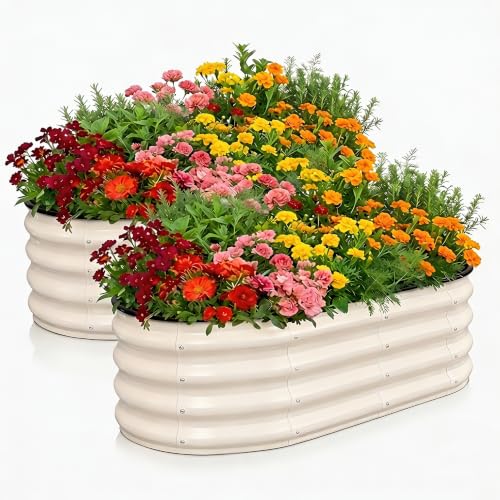
【Raised Garden Beds Outdoor】: GRASQUILINE’s galvanized raised garden bed features enhanced rust and corrosion resistance, ensuring years of durable use even in harsh outdoor environments and humid climates — so you never have to worry about premature wear.

EASY MOBILITY: Built with a set of locking wheels to move the planter from place to place and capture the right amounts of sun and shade
Space Utilization
Utilizing garden beds on concrete maximizes your available space. Urban areas often restrict traditional gardening options due to limited yard size. Concrete surfaces, like patios or driveways, can transform into productive garden areas. Raised beds, containers, and vertical gardens fit neatly into these spaces, allowing you to grow a variety of plants, including vegetables, herbs, and flowers. Placing beds in these areas increases your growing footprint without consuming precious ground space.
Accessibility
Accessibility improves significantly when you place garden beds on concrete. Raised beds can be set at comfortable heights, reducing strain on your back and knees. This design makes gardening enjoyable, especially for those with mobility challenges. Concrete surfaces provide stable footing, reducing the risk of slips or falls while tending to your plants. Furthermore, you can easily wheelbarrow supplies or use garden carts on the solid surface, making transportation of materials efficient and straightforward.
By understanding these benefits, you can create vibrant gardens in unconventional spaces.
Methods for Successful Installation
Installing garden beds on concrete requires careful planning and execution. By selecting the right materials and preparing the surface properly, you can create a thriving garden in an urban environment.
Recommended Products

MOBILE GARDEN ON WHEELS — Two all-terrain wheels and an ergonomic handle let you roll a 200+ lb planted bed wherever sunlight goes. Move your garden across patio, balcony, or backyard in minutes.

ELEVATED RAISED GARDEN BED FOR OUTDOOR GROWING: Designed as a true raised garden bed, this elevated planter box provides a dedicated growing space for vegetables, herbs, and flowers—perfect for patio, backyard, deck, or balcony gardening.

【Raised Garden Beds Outdoor】: GRASQUILINE’s galvanized raised garden bed features enhanced rust and corrosion resistance, ensuring years of durable use even in harsh outdoor environments and humid climates — so you never have to worry about premature wear.
Choosing the Right Materials
Selecting the right materials is crucial for your garden beds. Consider the following options:
- Wood: Cedar or redwood are popular choices for raised beds due to their natural resistance to rot. Make sure to use untreated wood to avoid toxic chemicals leaching into the soil.
- Metal: Galvanized steel or corrugated metal offers durability and can create a sleek, modern look. Ensure the metal is untreated to prevent chemical contamination.
- Plastic: Recycled plastic or composite materials resist rot and pests. These options often have longer lifespans compared to wood.
- Containers: Using pots or fabric grow bags gives you flexibility in design and allows for varying plant heights. Ensure containers have drainage holes to avoid water buildup.
By choosing the right materials, you set the foundation for a successful garden bed.
Preparing the Concrete Surface
Properly preparing the concrete surface enhances the effectiveness of your garden bed. Follow these steps:
- Clean the Area: Remove any debris, dirt, or old paint from the concrete surface. A clean base promotes better drainage and prevents pests.
- Create Drainage: If drainage is a concern, consider adding a layer of gravel or using planter boxes with built-in drainage. This layer helps excess water flow away from plant roots.
- Level the Surface: Ensure the concrete surface is level. If not, you may encounter water pooling in low areas.
- Lay a Weed Barrier: Placing a weed barrier fabric on the concrete before adding soil can prevent weeds and improve moisture retention.
- Add Soil: Fill the garden bed with a quality soil mix suitable for your plants. A mix of topsoil, compost, and other organic matter creates a nutrient-rich environment.
By preparing the concrete surface correctly, you create a solid and sustainable base for your garden beds.
Conclusion
Transforming concrete into a garden space is not only possible but can be incredibly rewarding. With the right approach you can create a beautiful oasis that thrives even in challenging conditions. By choosing suitable garden beds and incorporating effective drainage solutions you’ll give your plants the best chance to flourish.
Don’t forget to consider factors like temperature regulation and accessibility to make your gardening experience enjoyable. With a little creativity and planning you can turn that concrete expanse into a vibrant green space that enhances your home and brings you joy. Happy gardening!
Frequently Asked Questions
What are the challenges of gardening on concrete?
Gardening on concrete poses challenges like poor drainage and temperature regulation. Concrete can prevent water absorption, leading to root rot, while its heat retention can stress plants in hot weather.
What are the benefits of using garden beds on concrete?
Garden beds on concrete can improve aesthetics, enhance drainage, and optimize space in urban areas. They also provide a suitable environment for plants and reduce back strain by allowing higher planting options.
What types of garden beds can be used on concrete?
You can use raised beds, container gardens, in-ground beds, and vertical gardens. Each type has unique benefits, such as better soil management, improved drainage, and enhanced visual appeal.
How can I improve drainage for garden beds on concrete?
To improve drainage, consider using raised garden beds and adding materials like gravel. These methods help excess water escape and prevent root rot by allowing better water flow.
What materials are best for constructing garden beds?
Choose untreated wood, galvanized steel, or recycled plastic to ensure durability and avoid chemical contamination. Ensure the materials are appropriate for the type of plants you plan to grow.
How can I prepare concrete for garden bed installation?
Start by cleaning the area, creating proper drainage, and leveling the surface. Then, lay down a weed barrier and add a quality soil mix to support plant growth effectively.
Are there any accessibility advantages to using raised garden beds?
Yes! Raised garden beds can be designed at comfortable heights, reducing strain on the body. This is especially beneficial for individuals with mobility challenges, making gardening more enjoyable.

My interest in trees started when I first saw the giant sequoias in Yosemite.I was a teenager then, and I remember thinking, “I need to learn more about this.”That moment stuck with me.A few years later, I went on to study forestry at Michigan Tech.
Since graduating, I’ve worked in a mix of hands-on tree care and community education.I’ve spent over ten years helping people understand how to plant, maintain, and protect the trees in their neighborhoods.I don’t see trees as just part of the landscape.They are living things that make a real difference in our daily lives.