Have you ever wondered if you can grow delicious tomatoes in an elevated garden bed? If you’re short on space or looking for a way to make gardening easier on your back, an elevated bed might just be the perfect solution.
Key Takeaways
- Elevated Garden Bed Benefits: Growing tomatoes in elevated beds improves accessibility, drainage, and soil quality while deterring pests and extending the growing season.
- Variety Selection: Choose between determinate and indeterminate tomato varieties based on space and harvesting preferences—determinate are compact and produce all at once, while indeterminate varieties continue to grow and yield throughout the season.
- Soil Composition: A well-draining mix of 40% topsoil, 30% compost, 20% peat moss or coconut coir, and 10% perlite or vermiculite ensures nutrient availability and moisture retention for healthy tomato plants.
- Watering Practices: Implement efficient watering techniques, such as soaker hoses or drip irrigation, and ensure consistent moisture without waterlogging to promote deep root growth.
- Pest and Disease Management: Regularly inspect tomato plants, utilize companion planting, and choose disease-resistant varieties to minimize pest infestations and plant diseases.
- Optimal Conditions: Provide at least 6-8 hours of sunlight daily, support tall plants with trellises, and monitor nutrient levels for thriving tomato growth in elevated beds.
Understanding Elevated Garden Beds
Elevated garden beds offer unique advantages for growing tomatoes. They lift your garden off the ground, improving accessibility and enhancing plant growth conditions.
Benefits of Elevated Garden Beds
- Easier Access: Elevated beds reduce strain on your back and knees, making planting and tending to your tomatoes straightforward.
- Improved Drainage: Soil in elevated beds drains better, preventing waterlogging, which tomatoes dislike.
- Better Soil Quality: You control the soil mixture, ensuring it’s rich in nutrients tailored for tomato plants.
- Pest Control: Elevated gardens can deter common pests like slugs and snails, protecting your plants.
- Extended Growing Season: Soil in raised beds warms up faster in spring, allowing earlier planting.
- Bed Height: A height of at least 12 to 24 inches works best. This height supports root growth while keeping plants accessible.
- Soil Composition: Use a mix of compost, peat moss, and garden soil. This combination provides nutrients and optimal drainage.
- Sunlight: Position the bed in a location that receives at least 6-8 hours of direct sunlight daily to encourage healthy growth.
- Watering: Monitor soil moisture closely. Elevated beds can dry out faster, so regular watering is essential.
- Support Structures: Consider adding trellises or cages as tomato plants can grow tall. Supporting them helps prevent breakage.
Incorporating these factors helps ensure your elevated garden bed flourishes with delicious tomatoes.
Suitable Tomato Varieties
Choosing the right tomato varieties for your elevated garden bed can maximize your harvest. The key is to select types that thrive in this setup and suit your preferences.
Recommended Products

[Upgraded Gardyn Box] Our 56" Raised Garden Bed Planter Box with Trellis fosters optimal growth. The deeper 12x12x12" planter accommodates more soil & nutrients. Adjustable trellis creates 1-4 tier tower, ideal for tomatoes & climbing veggies. Lockable wheels facilitate outdoor/indoor mobility. Scientifically designed with a bottom water reservoir & air holes to ensure plant vitality. Vertical gardening elevates your patio with greenstalks, herbs, flowers, & vegetables. Grow a tower of plants with ease!

Raised Garden Bed - Add a new level of convenience to your gardening experience with the Galvanized Raised Garden Bed. Enjoy expanded yield and a more assembled garden layout with this garden accessory, each sized at 120 cm X 60 cm x 30 cm.

Determinate vs. Indeterminate Types
Determinate tomatoes grow to a certain height, producing fruit all at once. Indeterminate types continue to grow and bear fruit throughout the season.
- Determinate Varieties: Ideal for smaller spaces, they typically grow less than 4 feet tall. Examples include ‘Celebrity’ and ‘Roma.’ These plants need less staking and generally produce their fruit in a concentrated timeframe.
- Indeterminate Varieties: Perfect for ongoing harvests, they can reach heights over 6 feet. Notable examples are ‘Cherokee Purple’ and ‘Sweet 100.’ These varieties require sturdier support due to their continuous growth.
Choosing the Right Variety for Elevation
When selecting tomato varieties for your elevated garden bed, consider your local climate, space constraints, and gardening needs.
- Climate Adaptation: Choose varieties that thrive in your USDA hardiness zone. For example, heat-tolerant varieties like ‘Heatmaster’ perform well in warmer areas.
- Size and Growth Habit: Consider the space you have available. Compact varieties such as ‘Patio Princess’ work well for small beds, while larger varieties can thrive in spacious setups.
- Flavor Profiles: Determine what flavors you enjoy most. Varieties like ‘Brandywine’ offer rich, classic flavors, whereas ‘Sun Gold’ provides a sweet burst of taste.
By understanding the differences between determinate and indeterminate tomatoes and choosing varieties that align with your growing conditions, your elevated garden bed will yield plenty of tasty tomatoes.
Soil and Nutrient Requirements
Growing tomatoes in an elevated garden bed requires attention to soil and nutrient needs. Proper soil composition and nutrient balance help ensure healthy, productive plants.
Recommended Products

STRONGER ROOT DEVELOPMENT: Bone Meal is a natural source of vital, readily available organic nitrogen, phosphorus and calcium that promotes strong plant roots, vibrant blooms and more delicious vegetables. Helps to enhance your plants throughout the growing season!

Encourages Rapid Growth: True Organic Blood Meal is perfect for heavy feeders like corn, spinach, broccoli, and leafy greens, promoting vigorous vegetative growth.

Help Plants Thrive – An organic boost of phosphorous from Earth Science Natural Bone Meal helps your plants thrive! This plant mix encourages early plant growth and root development and feeds plants naturally.
Ideal Soil Mixture
Create a well-draining, nutrient-rich soil mix for your elevated garden bed. Aim for a combination of the following components:
- Topsoil: Use 40% topsoil as the foundation for your mixture. It provides the essential structure and retains moisture.
- Compost: Incorporate 30% compost. This organic matter adds nutrients and improves soil fertility, promoting healthy root growth.
- Peat Moss or Coconut Coir: Add 20% peat moss or coconut coir. These materials enhance moisture retention while ensuring good aeration.
- Perlite or Vermiculite: Include 10% perlite or vermiculite. These additives improve drainage and prevent soil compaction.
Mix these components thoroughly to ensure an even distribution of nutrients and create a healthy environment for your tomato plants.
Nutrient Needs for Healthy Tomatoes
Tomatoes require specific nutrients for optimal growth and fruit production. Here’s what to provide:
- Nitrogen: Essential for leafy growth. Use a balanced fertilizer with a higher nitrogen ratio at the beginning of the growing season. Fertilizers with an N-P-K ratio of 10-10-10 support strong foliage.
- Phosphorus: Crucial for root development and flowering. Incorporate bone meal or a phosphorus-rich fertilizer when planting.
- Potassium: Vital for fruit quality and disease resistance. Use fertilizers with potassium, like greensand, throughout the growing season, especially once tomatoes start setting fruit.
Monitor your plants regularly. Look for signs of nutrient deficiencies, like yellowing leaves or poor fruit development, and adjust your feeding schedule accordingly. Regular soil testing can also help you understand nutrient levels and make informed decisions.
By focusing on the right soil and nutrient mix, you’ll set your elevated garden bed up for success, paving the way for abundant tomato harvests.
Watering and Maintenance
Proper watering and maintenance are essential for thriving tomatoes in an elevated garden bed. You must ensure consistent moisture without waterlogging to maximize your harvest.
Recommended Products
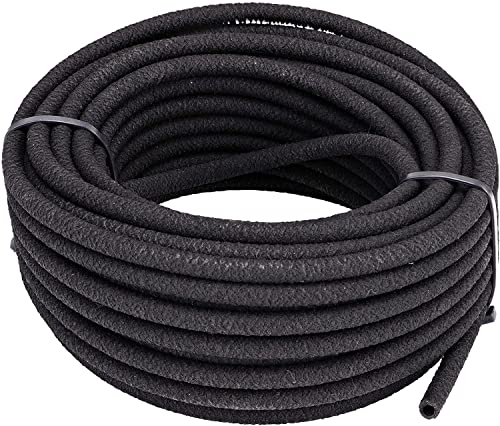
Slowly waters the soil around your plants for complete root zone hydration; Ideal for short runs on flat surfaces, such as vegetable gardens, borders, and around small plants

【Even & Consistent Root Watering】Features micro-pore seepage technology that distributes water evenly along the entire hose, transforming spot watering into uniform line watering directly to plant roots. Unlike traditional drip irrigation systems with clog-prone emitters, this soaker hose creates a continuous moisture band for healthier, deeper-rooted plants

Higher Cost Performance Provide: enough length soaker hoses to get higher cost performance,and our 1/4 " diameter soaker hose set not only include 100 Ft length soaker hose but also include a rich range of accessories for a variety of uses,help you make custom length soaker hoses cheap & easy.
Watering Techniques for Elevated Beds
Watering elevated beds requires a slightly different approach. Here are some effective techniques:
- Soaker Hoses: Lay soaker hoses throughout the bed. They slowly release water directly to the soil, promoting deep root growth while minimizing evaporation.
- Drip Irrigation: Install a drip irrigation system. This method delivers water directly to the base of the plants, ensuring thorough hydration without wetting the foliage, reducing disease risk.
- Watering Can: Use a watering can for targeted watering. Direct moisture to the base of each plant, ensuring you avoid the leaves.
- Consistency: Water deeply and consistently. Aim for 1-2 inches of water weekly, adjusting based on weather conditions and soil moisture levels. Check the soil moisture by sticking your finger in the soil; if it feels dry 1-2 inches down, it’s time to water.
Pest and Disease Management
Managing pests and diseases in elevated gardens keeps your tomato plants healthy and productive. Follow these tips:
- Regular Inspection: Check your plants weekly for signs of pests like aphids or spider mites. Early detection allows for quick action.
- Companion Planting: Plant marigolds or basil nearby. These plants can repel pests and attract beneficial insects that help with pest control.
- Organic Pesticides: Use organic options, such as neem oil or insecticidal soap, to combat infestations. Apply these in the early morning or late afternoon to avoid harming beneficial insects.
- Disease Resistance: Choose disease-resistant tomato varieties. Many options are bred specifically to withstand common diseases like blight.
- Good Air Circulation: Ensure your plants are spaced appropriately. Good air circulation reduces humidity around the foliage, minimizing disease risk.
- Clean Up: Remove any dead leaves or debris from the bed regularly. This helps prevent pests and diseases from finding a home near your plants.
Conclusion
Growing tomatoes in an elevated garden bed can be a rewarding experience. You’ll enjoy easier access and better control over soil quality and drainage. With the right care and attention to your plants’ needs you can look forward to a bountiful harvest.
Don’t forget to choose the right tomato varieties that fit your space and climate. By setting up a well-draining soil mix and maintaining consistent moisture you’ll create a thriving environment for your tomatoes. With a little effort you can transform your elevated garden bed into a delicious source of fresh produce. Happy gardening!
Frequently Asked Questions
What are the benefits of growing tomatoes in an elevated garden bed?
Growing tomatoes in an elevated garden bed provides easier access, reduces back strain, and improves drainage. It also enhances soil quality, aids in pest control, and extends the growing season, making it a practical option for limited spaces.
How tall should an elevated garden bed be for tomatoes?
An elevated garden bed for tomatoes should ideally be between 12 to 24 inches tall. This height provides easy access while allowing for proper root development and drainage.
What is the best soil mix for growing tomatoes in an elevated bed?
A nutrient-rich soil mix for tomatoes should consist of 40% topsoil, 30% compost, 20% peat moss or coconut coir, and 10% perlite or vermiculite. This combination ensures good drainage and nutrient availability.
What tomato varieties are best for elevated garden beds?
Determinate varieties are great for limited spaces as they produce all their fruit at once, while indeterminate varieties continue growing all season. Choose based on local climate, space, and personal taste preferences.
How often should I water tomatoes in an elevated garden bed?
Water tomatoes deeply and consistently, aiming for 1-2 inches of water per week. Check soil moisture regularly to prevent under or overwatering, ensuring your plants get the moisture they need.
How can I manage pests and diseases in my elevated garden bed?
Regularly inspect your plants for pests and consider companion planting to deter harmful insects. Use disease-resistant tomato varieties and maintain good air circulation to prevent issues while promoting healthy growth.

My interest in trees started when I first saw the giant sequoias in Yosemite.I was a teenager then, and I remember thinking, “I need to learn more about this.”That moment stuck with me.A few years later, I went on to study forestry at Michigan Tech.
Since graduating, I’ve worked in a mix of hands-on tree care and community education.I’ve spent over ten years helping people understand how to plant, maintain, and protect the trees in their neighborhoods.I don’t see trees as just part of the landscape.They are living things that make a real difference in our daily lives.