Ever wondered if you can use potting soil in your garden? You’re not alone. Many gardeners find themselves with leftover potting soil after repotting houseplants and wonder if it can benefit their outdoor spaces.
Key Takeaways
- Definition and Composition: Potting soil is a mix of organic and inorganic materials designed for container gardening, primarily consisting of peat moss, vermiculite, and perlite.
- Differences from Garden Soil: Unlike garden soil, potting soil is optimized for drainage and aeration but may lack the essential nutrients found in traditional garden soils.
- Benefits: Using potting soil can improve drainage and enhance nutrient content in the garden when mixed with compost, leading to healthier plant growth.
- Potential Drawbacks: It may contain contaminants such as pests or pathogens and is generally more expensive than native garden soil, which can affect budget considerations.
- Best Practices: Mix potting soil with native soil for better results, and use application techniques like layering, top-dressing, or mixing directly into planting holes to maximize its benefits.
Understanding Potting Soil
Potting soil serves a specific purpose in container gardening. It’s designed to provide a balanced environment for potted plants, and understanding its composition and characteristics can help you decide its use in your garden.
Definition and Composition
Potting soil, often referred to as potting mix, consists of various organic and inorganic materials. Common ingredients include peat moss, vermiculite, perlite, and sometimes compost. Peat moss retains moisture, while vermiculite and perlite improve aeration and drainage. Each component contributes to a light, fluffy texture, promoting healthy root growth in containerized plants.
Differences from Garden Soil
Potting soil differs significantly from typical garden soil. Garden soil typically contains more clay and silt, which can compact easily, hindering root development. In contrast, potting soil is blended to maintain a loose structure. This makes potting soil well-suited for container gardening but may lack essential nutrients found in garden soil. When transitioning from potting soil to garden soil, consider supplementing with compost or organic fertilizers to enrich the nutrient content.
Benefits of Using Potting Soil in the Garden
Using potting soil in your garden provides several benefits that can enhance plant growth and overall garden health.
Recommended Products

100% Natural Soil Amendment for Plants - Plantonix Vermiculite Bliss is a natural soil amendment that traps nutrients in the soil, before gradually releasing them into plant roots as needed. Over time, vermiculite drastically improves nutrient retention and availability, leading to higher nutrient uptake and optimizing soil conditions for increased plant vigor.

8qt bag of Premium Horticultural Grade Perlite to promote root growth, soil aeration & drainage

100% Natural Soil Amendment for Plants - Plantonix Vermiculite Bliss is a natural soil amendment that traps nutrients in the soil, before gradually releasing them into plant roots as needed. Over time, vermiculite drastically improves nutrient retention and availability, leading to higher nutrient uptake and optimizing soil conditions for increased plant vigor.
Improved Drainage
Potting soil features components like perlite and vermiculite that promote excellent drainage. This increased drainage reduces the risk of waterlogging, helping to prevent root rot. When you’ve got heavy rain or need to water your plants, well-drained soil allows excess water to escape. For example, if you add potting soil to your planting beds, your vegetables may thrive better in wetter conditions.
Enhanced Nutrient Content
While potting soil may fall short in nutrients compared to garden soil, many blends include fertilizers or organic matter designed to boost nutrient content. These added nutrients support healthy growth and flowering. If you mix potting soil with compost, you can enhance its nutrient profile even more. For instance, incorporating 25% compost into your potting soil can enrich the mix, providing plants with essential nutrients that promote robust growth.
Potential Drawbacks of Potting Soil in the Garden
Using potting soil in your garden comes with certain drawbacks. It’s important to consider these factors before making a decision.
Recommended Products

INDOOR GROWING: Growing indoors is easy under the right conditions; Miracle-Gro Houseplant Potting Mix is an indoor plant potting soil that combines key elements container plants need to thrive

FEEDS UP TO 6 MONTHS: Miracle-Gro Potting Mix is a gardening soil for outdoor containers that feeds all types of potted plants, including flowers, vegetables, shrubs, annuals, and perennials for up to 6 months
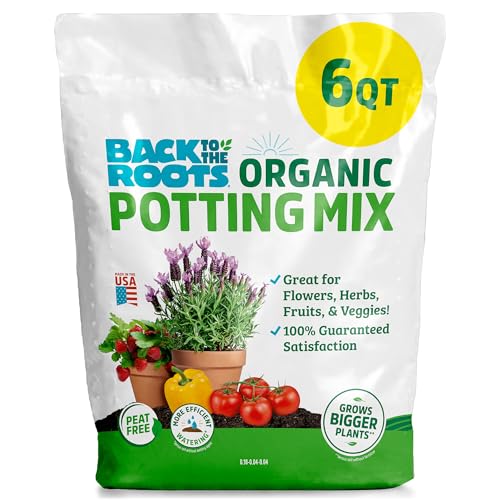
Includes 6qt of Back to the Roots Premium Blend Potting Mix. 100% Organic and Peat-Free, made from upcycled plant matter and wood fines from across the U.S. No imported peat, just better soil with a lighter carbon footprint.
Risk of Contaminants
Potting soil may contain contaminants that affect garden health. You might encounter pathogens, pests, or weed seeds from commercial potting mixtures. For instance, fungus gnats often thrive in potting soil. To minimize risks, examine the soil thoroughly before use. Avoid using potting soil if you notice any signs of pests or mold.
Cost Considerations
Cost can be a significant factor when using potting soil in the garden. Potting soil tends to be more expensive than native garden soil. For large garden areas, this expense can add up quickly. Consider mixing potting soil with local soil or compost to stretch your budget. This approach minimizes costs while ensuring better drainage and nutrients for your plants.
Best Practices for Using Potting Soil in the Garden
Using potting soil in your garden can enhance plant growth when applied correctly. Follow these best practices to maximize its benefits.
Recommended Products

Includes 10lb block of Back to the Roots compressed Coconut Coir that expands to 51qt of potting soil. A balanced pH, which means it’s truly all-purpose. Use alone or as an amendment for anything in a pot or in the ground — vegetables, flowers, herbs, and even starting seeds.

ALL-NATURAL MIX: Burpee Organic Premium Potting Mix is formulated with plant food & coconut coir to promote seed & root growth and healthy flower, vegetable & herb plants. OMRI Listed for organic use.

Ready-to-Use Formula: No mixing or extra steps required. Simply pour and plant - perfect for gardeners of all experience levels.
Mixing with Native Soil
Mixing potting soil with native soil improves texture and nutrient availability. Combine equal parts of each type to create a balanced mix. This combination retains the aeration properties of potting soil while incorporating local nutrients. For example, if you’re planting new shrubs, blend potting soil with garden soil to support root development.
Application Techniques
Apply potting soil using effective techniques for best results. Start by clearing the planting area of debris or weeds.
- Layering: Spread a layer of potting soil on the garden bed before planting. This method provides an immediate nutrient boost to the plants.
- Top-Dressing: Add a thin layer of potting soil on established plants. This technique replenishes nutrients without disturbing the roots.
- Mixing: Incorporate potting soil directly into the planting hole of new plants. This approach enhances drainage and encourages quick establishment.
Maintain a 2- to 3-inch layer of potting soil around the base of plants for moisture retention.
These practices ensure you use potting soil effectively in your garden while promoting healthy plant growth.
Conclusion
Using potting soil in your garden can be a great way to enhance drainage and support healthy plant growth. By mixing it with compost or native soil you can create a balanced environment that nourishes your plants while keeping costs manageable. Just be sure to check for any contaminants and choose quality blends to avoid potential issues.
With the right approach you can make the most of your leftover potting soil and enjoy a thriving garden. Embrace the benefits and get creative with your soil mix to see what works best for your plants. Happy gardening!
Frequently Asked Questions
Can I use leftover potting soil in my outdoor garden?
Yes, you can use leftover potting soil in your outdoor garden. It improves drainage and aeration due to its loose structure. However, mixing it with compost or garden soil is recommended to enhance nutrient content.
What is potting soil made of?
Potting soil is typically composed of organic and inorganic materials, such as peat moss, perlite, and vermiculite. These components work together to provide excellent moisture retention, aeration, and drainage for potted plants.
Are there any risks to using potting soil in the garden?
Yes, potting soil may harbor contaminants such as pathogens, pests, or weed seeds. It’s essential to inspect it thoroughly before use to prevent issues in your garden.
How can I enrich potting soil for my garden?
You can enrich potting soil by mixing it with compost or organic fertilizers. This will add essential nutrients and support healthy plant growth when used in your garden.
Is potting soil more expensive than garden soil?
Yes, potting soil often costs more than native garden soil. To reduce expenses, consider mixing potting soil with local soil or compost, which can enhance drainage and nutrient levels while staying on budget.
What is the best way to apply potting soil in my garden?
Mix potting soil with native soil at a 1:1 ratio for improved texture, or layer it on garden beds. You can also top-dress established plants and mix it into the planting holes for new plants to enhance drainage and nutrient availability.

My interest in trees started when I first saw the giant sequoias in Yosemite.I was a teenager then, and I remember thinking, “I need to learn more about this.”That moment stuck with me.A few years later, I went on to study forestry at Michigan Tech.
Since graduating, I’ve worked in a mix of hands-on tree care and community education.I’ve spent over ten years helping people understand how to plant, maintain, and protect the trees in their neighborhoods.I don’t see trees as just part of the landscape.They are living things that make a real difference in our daily lives.