Have you ever wondered what to do with all that water your sump pump collects? You’re not alone. Many homeowners face the dilemma of dealing with excess water and often overlook a valuable resource—using it in the garden.
Key Takeaways
- Understanding Sump Pumps: Sump pumps are crucial for managing excess water in basements, preventing flooding through automatic operation using a float switch.
- Benefits of Using Sump Pump Water: Utilizing sump pump water for gardening promotes water conservation and provides significant cost savings on water bills while minimizing waste.
- Water Quality Concerns: It’s vital to test sump pump water for contaminants before using it in your garden, as water quality can vary based on source and environment.
- Contaminants to Watch For: Be aware of potential harmful chemicals, heavy metals, and bacteria in sump pump water which can pose risks to plant health.
- Best Practices: Implement filtering and regular testing of sump pump water to assure safety and cleanliness for optimal garden irrigation.
- Sustainable Gardening: Using sump pump water supports sustainable gardening practices, helping conserve natural resources while enhancing plant growth.
Understanding Sump Pumps
Sump pumps play a crucial role in managing excess water, particularly in basements. They prevent flooding by collecting and removing water that may accumulate due to heavy rain or high groundwater levels.
What Is a Sump Pump?
A sump pump is a device installed in the lowest part of a basement or crawl space. Its primary function is to remove water from these areas to prevent water damage. These pumps come in various types, such as submersible and pedestal models. Submersible pumps sit below the water level, while pedestal pumps are mounted above the sump pit.
How Does a Sump Pump Work?
A sump pump operates by using a float switch. When water levels rise in the sump pit, the float switch activates the pump. The pump then moves the water through a discharge pipe, directing it away from your home. Many pumps feature a check valve to prevent backflow.
Typically, sump pumps activate automatically, making them convenient for homeowners. Some models also include battery backups to ensure operation during power outages, providing peace of mind during storms.
Benefits of Using Sump Pump Water
Using sump pump water for your garden offers several advantages. Utilizing this water can enhance your gardening efforts while also benefiting the environment and your wallet.
Recommended Products

If you need the pump to work in a low water level environment (the water level does not exceed the pump), the float switch need to be locked on the pump

Oil-Filled Motor: Submersible sump pump motors utilise oil-filled technology to effectively mitigate motor overload issues,extend operational lifespan.Efficiently drains up to 2450 gallons per hour (GPH) and lifts water vertically up to 31 feet, tackling tough water removal jobs.
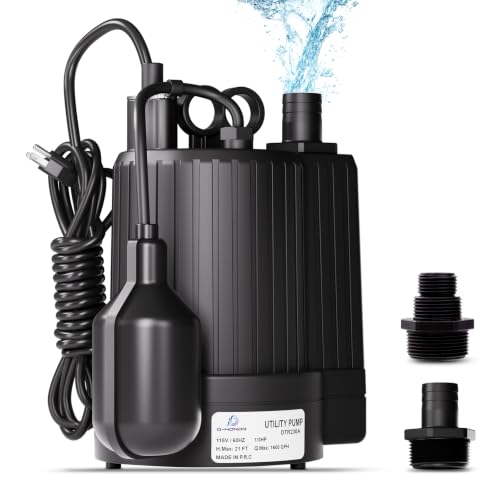
【Powerful Sump Pump with High Performance】 Sump pump powered by a durable 1/3 HP motor, this pump delivers strong, quiet, and energy-efficient performance, with a max lift height of 21 feet. Its 1-1/4in outlet paired with straight-through flow path design reduces resistance for faster drainage and higher efficiency.
Water Conservation
Utilizing sump pump water conserves natural resources. Water scarcity affects many regions, and using this recycled water helps reduce dependency on municipal supplies. You can water your plants efficiently without wasting resources. By redirecting sump pump water into your garden, you promote sustainable gardening practices. Ensure that the water collected is free from contaminants to safely nourish your plants.
Cost Savings
Using sump pump water results in significant cost savings. Instead of relying solely on tap water, you can lower your water bill by reusing runoff. This practice not only saves money but also maximizes the use of water that would otherwise go to waste. If your pump moves a substantial volume of water, you can easily cover your garden’s irrigation needs at minimal expense. Over time, you’ll notice measurable savings, freeing up funds for other gardening projects.
Potential Risks and Concerns
Using sump pump water for your garden carries some potential risks and concerns that you should consider. Understanding these can help you make informed decisions about utilizing this water resource safely.
Recommended Products

Replacement FLOAT kit

KIT INCLUDES: 1/3 HP Sump pump moves up to 2,760 gallons per hour; pump will lift water up to 25' of vertical height plus 1-1/2 in. rubber boot check valve

Kit includes: 1/2 HP Water Removal Utility Pump, high volume lay-flat discharge hose (25 ft.) and quick-connect camlock fittings
Water Quality Issues
Sump pump water’s quality can vary significantly. Factors such as the source of the water and how long it sits in the sump pit can impact its cleanliness. Before using this water for your garden, test it to ensure it’s safe for plants. Home testing kits are available, making it easy to check for harmful bacteria and other contaminants.
Contaminants in Sump Pump Water
Contaminants often present in sump pump water pose risks to your garden. These may include:
- Chemicals: Fertilizers or pesticides from nearby areas might wash into your sump, introducing harmful substances.
- Heavy Metals: Old homes might have metal runoff from roofs or surfaces, which can enter the sump system.
- Bacteria and Pathogens: Bacteria from groundwater or standing water can be a concern, especially if pets or wildlife access the water source.
Always analyze the source and contents of sump water. If contaminants exceed safe levels, consider filtering or treating the water before using it in your garden.
Best Practices for Using Sump Pump Water in the Garden
Using sump pump water in your garden can be beneficial, but it’s important to follow best practices. These practices ensure safety and maximize the advantages of this resource.
Recommended Products

Powerful Performance: Experience unparalleled efficiency with the MEDAS 1HP Submersible Pump, boasting a 3434GPH flow rate and 31ft vertical lift, perfect for everything from pool drainage to garden irrigation.

If you need the pump to work in a low water level environment (the water level does not exceed the pump), the float switch need to be locked on the pump

✅ DURABLE & KINK-RESISTANT – Made from high-quality, non-toxic, phthalate-free PVC with a reinforced helical design, our pond tubing remains flexible even around sharp bends. It resists kinking, cracking, and aging, ensuring uninterrupted water flow in ponds, fountains, and irrigation systems.
Filtering the Water
Filtering sump pump water is essential before using it in your garden. You can prevent sediment and large particles from clogging your irrigation system or harming your plants.
- Use a Mesh Filter: Install a mesh filter at the discharge point of your sump pump. This filter captures debris and larger particles.
- Consider a Sand Filter: For added protection, use a sand filter system. This option removes finer sediment, resulting in cleaner water.
- Replace Filters Regularly: Replace or clean your filters frequently to maintain optimal water quality and flow.
Testing for Contaminants
Testing sump pump water for contaminants is crucial for safe garden use. Conduct tests to ensure water quality before applying it to your plants.
- Purchase a Water Testing Kit: These kits measure pH levels, bacteria presence, and harmful chemicals. Choose one that covers the relevant contaminants.
- Test for Bacteria and Chemicals: Conduct tests for harmful bacteria like E. coli, heavy metals, and residual chemicals from fertilizers or pesticides.
- Analyze Results: If contaminants exceed safe levels, consider treating the water. Filtration, UV treatment, or chemical additives can help reduce harmful substances.
- Test Regularly: Test the water every few months. Changes in environmental conditions can affect water quality.
By filtering and testing sump pump water, you protect your garden and promote healthy plant growth, making the most out of this valuable resource.
Conclusion
Utilizing sump pump water for your garden can be a smart and sustainable choice. Not only does it help conserve water but it can also save you money on those pesky water bills. By following the best practices for testing and filtering, you can ensure your plants thrive without compromising their health.
Remember to stay informed about the quality of the water you’re using. With a little care and attention, you can turn what was once a nuisance into a valuable resource for your gardening efforts. So go ahead and give it a try—your garden will thank you!
Frequently Asked Questions
What is a sump pump?
A sump pump is a device installed in the lowest part of a basement or crawl space to collect and remove excess water. It helps prevent flooding by directing water away from the home through a discharge pipe, especially during heavy rains or high groundwater levels.
How does a sump pump work?
A sump pump operates using a float switch that activates the pump when water levels rise in the sump pit. Once triggered, the pump moves water out of the pit through a discharge pipe, keeping basements dry and protecting your home from flooding.
Can I use sump pump water for gardening?
Yes, you can use sump pump water for gardening as it helps conserve water and can save on utility bills. However, it’s essential to test the water for contaminants and ensure it’s safe for your plants before using it for irrigation.
What contaminants can be found in sump pump water?
Sump pump water may contain various contaminants, such as bacteria, heavy metals, and chemicals like fertilizers or pesticides. It’s crucial to test the water quality to determine if it is safe for gardening.
How can I ensure sump pump water is safe for my garden?
To ensure safety, filter or treat the water to remove contaminants. Use a mesh filter at the discharge point, regularly maintain filters, and test the water for pH levels, bacteria, and chemicals before applying it to your garden.
What are the benefits of using sump pump water?
Using sump pump water helps conserve natural resources, reduces water bills, and promotes sustainable gardening practices. It allows homeowners to recycle excess water efficiently, contributing to eco-friendly gardening efforts.
Are there any risks in using sump pump water for gardening?
Yes, potential risks include the presence of harmful contaminants and the variability in water quality. Homeowners should always test the water and ensure it’s free from harmful substances before using it in their gardens.
How often should I test sump pump water for contaminants?
It is a good practice to test sump pump water for contaminants regularly, especially before the gardening season or after heavy rainfall when water is collected. This ensures that any changes in water quality are monitored effectively.

My interest in trees started when I first saw the giant sequoias in Yosemite.I was a teenager then, and I remember thinking, “I need to learn more about this.”That moment stuck with me.A few years later, I went on to study forestry at Michigan Tech.
Since graduating, I’ve worked in a mix of hands-on tree care and community education.I’ve spent over ten years helping people understand how to plant, maintain, and protect the trees in their neighborhoods.I don’t see trees as just part of the landscape.They are living things that make a real difference in our daily lives.