Wondering if you can spray your garden with Roundup before planting? You’re not alone. Many gardeners face the challenge of dealing with stubborn weeds that threaten to take over their hard work. It’s tempting to reach for a quick solution, but it’s important to understand the implications.
In this article, you’ll learn about the timing and safety of using Roundup in your garden. We’ll cover how it can help clear your space and what to consider before applying it. By the end, you’ll be equipped with the knowledge to make the best decision for your garden, ensuring a healthy start for your plants.
Key Takeaways
- Timing Matters: Apply Roundup at least two weeks before planting to allow glyphosate to break down in the soil, minimizing harm to new plants.
- Understand Glyphosate: Glyphosate is a broad-spectrum herbicide that kills various weeds by disrupting their protein synthesis, but it can affect desirable plants if not applied carefully.
- Safety Precautions: Always wear protective gear and follow the product label instructions to minimize risks during application, including avoiding windy days to prevent spray drift.
- Weed Control Benefits: Using Roundup effectively clears garden spaces, ensuring healthy growth for new plants by reducing competition for nutrients and water.
- Soil Health Considerations: Monitor soil health closely, as excessive use of glyphosate can negatively impact beneficial microbial activity and nutrient balance.
- Alternatives Available: If you prefer not to use chemicals, consider safe alternatives like mulching, boiling water, or hand pulling to manage weeds organically.
Overview Of Roundup
Roundup is a widely used herbicide primarily composed of glyphosate. It targets and kills various types of weeds, making it popular among gardeners and landscapers. You can apply Roundup directly to non-selective weeds, meaning it affects any plant it touches.
Key Features of Roundup
- Active Ingredient: Glyphosate effectively disrupts specific plant enzymes, leading to plant death.
- Application: You’ll find Roundup available as a concentrate or ready-to-use spray, giving you flexibility based on your needs.
- Weather Resistance: Roundup remains effective, even after light rain. However, for best results, avoid applying before heavy rainfall.
Effects and Considerations
Using Roundup provides rapid results—noticeable weed death occurs within days. However, understand its impact on the surrounding flora and fauna.
- Selective Use: Roundup works best on focused applications. When applied to unwanted plants, ensure it doesn’t drift to desirable ones.
- Soil Persistence: Glyphosate breaks down in the soil within weeks, but factors like moisture and temperature affect its degradation rate.
Safety Precautions
Safety measures are crucial when using Roundup. Ensure you wear protective gear, such as gloves and goggles, to avoid skin and eye contact. Always read the label for specific instructions regarding safe use and emergency procedures.
Alternatives to Consider
If you prefer not to use chemical herbicides, consider these options:
- Mulching: Covering soil with organic material suppresses weeds while retaining moisture.
- Boiling Water: Pouring boiling water on weeds provides a chemical-free option for immediate results.
- Hand Pulling: Regularly removing weeds keeps them from spreading and is labor-intensive but eco-friendly.
Using Roundup before planting can make space for new seeds and plants, provided you follow the recommended guidelines and timings.
Understanding Glyphosate
Glyphosate is the active ingredient in Roundup, a common herbicide used to control weeds in gardens and landscapes. It’s crucial to understand its properties and how it functions before using it in your garden.
What Is Glyphosate?
Glyphosate is a broad-spectrum systemic herbicide. It kills weeds by preventing them from producing certain proteins necessary for growth. This action affects a wide variety of plants, including both annual and perennial weeds. It’s not selective, meaning it can harm any green plant it comes in contact with. This characteristic makes it effective for clearing garden spaces but requires careful application.
How Glyphosate Works
Glyphosate works by inhibiting an enzyme pathway known as the shikimic acid pathway. This pathway is essential for the growth and development of plants, fungi, and some microorganisms. When weeds absorb glyphosate, it disrupts their ability to synthesize proteins, leading to their death.
After application, glyphosate is absorbed through the leaves and stems of the plants. Rainfall can wash it off if applied shortly before rain, so wait for dry conditions. The herbicide typically takes several days to show visible results, with plants wilting and yellowing as they die. Understanding this timing helps you plan when to apply glyphosate relative to your planting schedule.
By knowing how glyphosate works, you can make informed decisions about its use, ensuring an effective approach to managing weeds while protecting your desired plants.
Benefits Of Using Roundup Before Planting
Using Roundup before planting offers several advantages for gardeners looking to manage weeds effectively.
Weeding Effectiveness
Weed control is crucial for a successful garden. Roundup effectively eliminates a wide range of weeds, including perennial varieties that can resurge after initial removal. Applying Roundup ahead of planting clears garden space, allowing for healthier plant growth. When you use Roundup, you’ll notice rapid results, often within a few days, leading to fewer competing plants. Using this product helps prepare your garden for a strong start by ensuring that your crops or flowers won’t compete for essential nutrients and water.
Soil Preparation
Soil preparation plays a significant role in gardening success. Using Roundup before you plant helps create a clean slate. Once the weeds are killed, you can till the soil effectively, improving aeration and nutrient distribution. A clean garden bed also reduces pest habitats, promoting plant health. Before planting, the glyphosate breaks down in the soil within weeks, minimizing any lingering effects on new plants. Implementing Roundup can streamline your planting process, allowing you to focus on nurturing your new plants without the hassle of pre-existing weeds.
Applying these strategies provides a solid foundation for planting and enhances long-term garden health.
Potential Risks And Concerns
Using Roundup before planting poses potential risks. Understanding these risks ensures informed decision-making for your garden.
Recommended Products

Size: 1 quart

🌱 Powerful Post-Emergent Weed Control- Controls a broad spectrum of emerged annual and perennial broadleaf weeds and grasses with a fast-acting, foliar-applied herbicide.

FAST-ACTING ALGAE CONTROL: Flumigard pre-emergent weed control delivers rapid knockdown of filamentous algae and young terrestrial weeds, providing quick, visible results. Perfect for copper-sensitive aquatic areas and tough terrestrial weed challenges alike
Impact On Soil Health
Glyphosate, the active ingredient in Roundup, breaks down in soil, but its effects depend on several factors. Excessive application can diminish soil microbial activity, leading to nutrient imbalances. Healthy soil relies on diverse microorganisms, and disruption can affect plant growth. Testing soil health before and after application helps monitor changes.
For example, studies show that certain beneficial bacteria can decline following repeated glyphosate exposure. Always aim for balanced soil health by limiting herbicide use and practicing crop rotation or organic amendments.
Effects On Nearby Plants
Roundup targets specific weeds but can inadvertently affect desirable plants nearby. Spray drift can occur during application, damaging or killing plants not intended for treatment. Avoid applying Roundup on windy days to minimize this risk.
Additionally, root systems of neighboring plants can absorb glyphosate from the soil. This danger emphasizes the importance of precise application methods, like directed spraying instead of broadcasting. Observing a buffer zone around desirable plants provides extra protection against unintended harm.
Best Practices For Application
Applying Roundup correctly ensures effective weed control and minimizes risks to your garden. Follow these best practices for a successful application.
Recommended Products
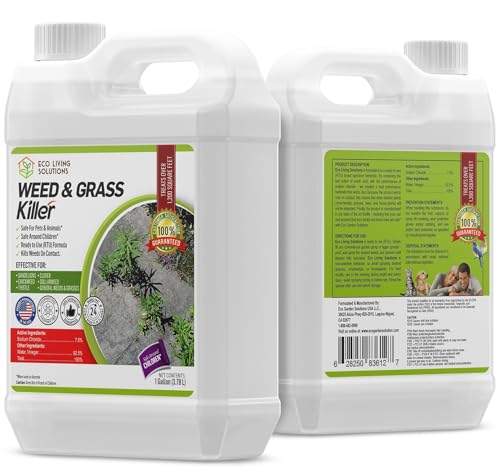
✔️ PET & KID SAFE HERBICIDE - Eco Garden Pro Weed Killer is designed with you and your family in mind! All of our ingredients are carefully selected to be SAFE FOR: PETS, CHILDREN, BEES, FISH, AND ANY LIVESTOCK!
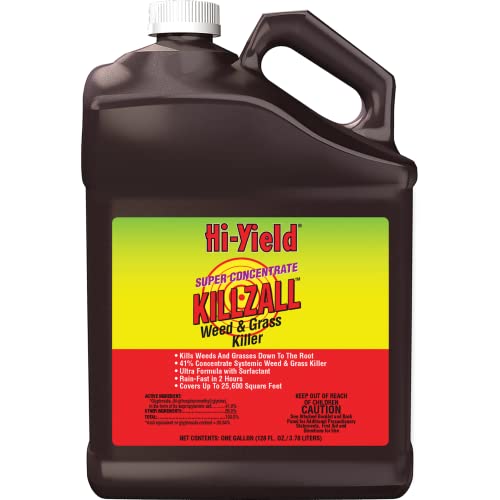
Weed killer controls grasses, broadleaf weeds and woody brush species. Do not use on lawns.

KILLS WEEDS TO THE ROOTS - Earth’s Ally weed grass killer spray is a non-selective, ready-to-use formula proven to eliminate common weeds like broadleaf, crabgrass, dandelion, clover, ivy and chickweed.
Timing Your Application
Consider applying Roundup at least two weeks before planting. This timing allows glyphosate to break down in the soil, reducing potential harm to new plants. For optimal results, choose a dry day with no rain in the forecast for at least 24 hours post-application. Apply when temperatures are between 60°F and 85°F for maximum absorption. Observe the growth stage of weeds—treat them when they’re actively growing for the best weed-killing effectiveness.
Safety Precautions
Use protective gear during application to minimize risks. Wear gloves, long sleeves, and goggles to protect your skin and eyes. Read the label carefully for guidance on mixing and applying Roundup. Always work during calm weather to prevent spray drift, which can affect nearby desired plants. Create a buffer zone of at least 10 feet around ornamental plants or vegetables. Clean equipment thoroughly after use to prevent unintentional contamination. If you accidentally spray on desirable plants, rinse them with water immediately to avoid damage.
These best practices ensure that you effectively use Roundup while safeguarding your garden environment.
Conclusion
Using Roundup before planting can be an effective way to manage weeds in your garden. By following the right guidelines and timing your application, you can create a healthy environment for your new plants. Remember to prioritize safety by using protective gear and being mindful of nearby plants to avoid any unintended damage.
While Roundup offers quick results, consider exploring alternative methods for weed control that align with your gardening philosophy. Whether you choose chemical solutions or eco-friendly practices, the key is to ensure your garden thrives. With the right approach you’ll set the stage for a flourishing garden season ahead. Happy gardening!
Frequently Asked Questions
Is it safe to spray Roundup in the garden before planting?
Yes, it is generally safe to spray Roundup before planting, provided you follow the manufacturer’s instructions. Glyphosate breaks down in the soil over time, reducing its impact on new plants.
When should I apply Roundup before planting?
It’s best to apply Roundup at least two weeks before planting. This timeframe allows glyphosate enough time to break down in the soil, promoting healthier growth for your new plants.
What are the safety precautions for using Roundup?
Always wear protective gear when applying Roundup, such as gloves and masks. Read the label for specific instructions and consider applying it during calm weather to avoid spray drift.
Can Roundup affect nearby plants?
Yes, spray drift from Roundup can harm nearby plants, especially on windy days. It’s crucial to maintain a buffer zone around desirable plants and use directed spraying techniques.
What alternatives to Roundup can I use for weed control?
Alternatives to Roundup include mulching, boiling water, and hand pulling. These methods can effectively manage weeds without the use of chemical herbicides.
How quickly does Roundup work?
Roundup typically provides rapid results, with visible weed wilting occurring within a few days after application. However, rain shortly after spraying can compromise its effectiveness.
Does glyphosate affect soil health?
Excessive use of glyphosate can diminish soil microbial activity, potentially resulting in nutrient imbalances. It’s advisable to test your soil health before and after application.
What weeds can Roundup effectively control?
Roundup is effective in controlling a wide range of weeds, including perennial and annual varieties. It acts as a broad-spectrum herbicide, making it a popular choice for gardeners.

I’ve always been drawn to trees.As a kid, I spent most of my free time outside, climbing, exploring, and trying to figure out the names of the trees around me.That early curiosity eventually led me to study arboriculture and horticulture at Michigan State.Later, I completed a degree in forestry at the University of Michigan.
I’ve been working in tree care and education ever since.These days, I enjoy helping people learn more about the trees in their own backyards.How they grow, how to care for them, and why they matter.You don’t need to be an expert to appreciate trees.A little curiosity goes a long way.