Wondering if you can put mulch on your vegetable garden? You’re not alone. Many gardeners face this question, especially when trying to keep their plants healthy and thriving. Mulch can be a game-changer, but it’s important to know how to use it effectively.
Imagine spending hours planting and caring for your veggies, only to see them struggle with weeds and moisture loss. This article will guide you through the benefits of mulching your vegetable garden, helping you make informed choices that support your plants. From improving soil health to conserving water, you’ll discover why mulch might just be the secret ingredient your garden needs.
Key Takeaways
- Moisture Retention: Mulching helps retain moisture in the soil, reducing watering frequency by up to 50% and keeping plants hydrated in hot conditions.
- Weed Suppression: A thick layer of mulch blocks sunlight and prevents weed growth, minimizing the need for manual weeding and allowing plants to absorb necessary nutrients more effectively.
- Types of Mulch: Choose between organic options like straw and wood chips, or inorganic options like plastic and landscape fabric, based on your garden needs for enrichment and durability.
- Application Timing: Apply mulch in late spring after the soil has warmed to maximize benefits while minimizing fungal risks; ensure proper thickness of at least 3 inches for optimal effectiveness.
- Potential Drawbacks: Be mindful of pest attraction and nutrient depletion; select pest-resistant mulch and supplement with nitrogen-rich fertilizers or compost to keep your soil healthy.
Benefits of Using Mulch in Vegetable Gardens
Using mulch in your vegetable garden offers several key advantages. It enhances soil health, conserves water, and helps control weeds, creating an ideal environment for your plants.
Recommended Products

Professional Grade Weed Barrier: LAVEVE weed barrier fabric is crafted from woven polypropylene material. Its high-density and permeable properties effectively inhibit weed growth and protect soil health, allowing your plants to flourish.
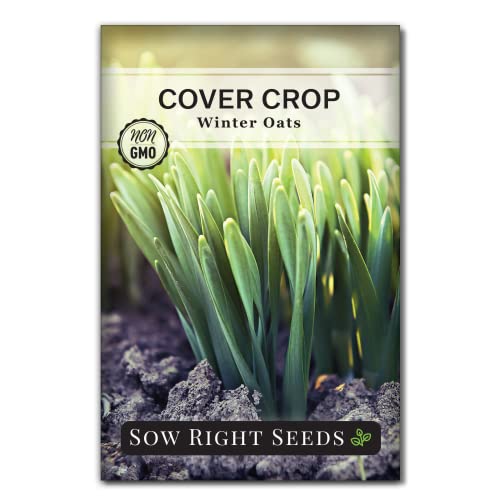
Cover Crop - Large premium packet of Winter Oats (Avena sativa) seeds. Winter-hardy and drought-tolerant cover crops can help cover the soil of your home garden beds during the off season. We've included enough seed in one packet to cover an 8' x 4' garden bed. Minimum of 14 g per packet (about 500 seeds).

🌿 100% Organic Mulch: Made from natural wood, GARDENWISE Premium Organic Mulch is free from chemicals and additives, making it perfect for organic gardening and sustainable landscaping.
Moisture Retention
Mulch significantly improves moisture retention in your garden soil. Organic materials like straw, wood chips, and grass clippings create a barrier that slows evaporation. When the sun beats down, mulch keeps the soil underneath cooler and moist longer. Adding a layer of 2-4 inches of mulch around your vegetables helps ensure they access the water they need, reducing your watering frequency by up to 50%.
Weed Suppression
Mulch acts as an effective weed suppressant. By covering the soil, it blocks sunlight from reaching weed seeds, preventing them from germinating. This barrier reduces the time and effort you spend weeding. Applying mulch around your plants allows them to thrive without competing for nutrients and water. Aim for a thicker layer of mulch, at least 3 inches, to maximize its weed-suppressing effects.
Types of Mulch Suitable for Vegetable Gardens
Choosing the right mulch for your vegetable garden enhances plant health and promotes growth. Understanding the different types of mulch helps you make an informed decision.
Recommended Products

All-Natural & Clean Mulch —Sustainably sourced 100% non-GMO wheat straw is naturally filtered to remove dust, dirt, and as many seeds as possible for a clean, pure mulch.

Includes 10lb block of Back to the Roots compressed Coconut Husk Mulch that expands to over 2 cubic feet of mulch. Use it for gardens, raised beds, pet bedding and more

PREMIUM ORGANIC GARDEN STRAW: High-quality organic straw harvested for superior coverage and durability—ideal mulch for gardening, raised garden beds, flower beds, composting, and lawn care projects.
Organic Mulch
Organic mulch consists of natural materials that decompose over time, enriching the soil. Here are some suitable options:
- Straw: Straw is lightweight and excellent for moisture retention. It provides a good weed barrier while breaking down and adding nutrients to the soil.
- Wood Chips: Wood chips last longer and are great for pathways. They suppress weeds effectively but can take longer to decompose.
- Grass Clippings: Grass clippings are nitrogen-rich and encourage fast soil fertility. Ensure they’re dry and apply in thin layers to prevent matting.
- Leaves: Shredded leaves are a free and easy option. They decompose slowly, retaining moisture and improving soil structure as they break down.
Inorganic Mulch
Inorganic mulch includes synthetic materials that do not decompose. These offer different benefits:
- Plastic Mulch: Black plastic warms the soil and prevents weed growth. It’s ideal for early planting but doesn’t contribute nutrients as it doesn’t decompose.
- Landscape Fabric: Landscape fabric allows water and nutrients to pass through while preventing weeds. It provides long-lasting coverage but can be costly.
- Stone or Gravel: Stones or gravel are durable options that work well in decorative gardens. They help in drainage but may not provide soil nourishment.
By choosing the right type of mulch, you improve your vegetable garden’s productivity while managing moisture and weeds effectively.
How to Apply Mulch to Your Vegetable Garden
Applying mulch to your vegetable garden enhances plant health, conserves moisture, and suppresses weeds. Follow these guidelines for effective mulching.
Recommended Products

UPGRADED SIDE CLASPS FOR DURABILITY: The Landzie Compost & Peat Moss Spreader is designed with upgraded side clasps, preventing wear. This peat moss spreader ensures even distribution across your lawn, perfect for handling compost, topsoil, sand and more. With an adjustable handle and a solid steel mulch spreader build, this top compost spreader for lawn guarantees efficient performance. Ideal for anyone seeking lawn spreaders that last, Landzie delivers the ultimate lawn & garden spreaders

PRECISE & EFFICIENT COVERAGE – Handheld seed spreader perfect for distributing grass seed, lawn food, fertilizer, salt, or ice melt evenly across your lawn or driveway for consistent results without waste. Helps create a healthy, green lawn without clumps or patchy spots.
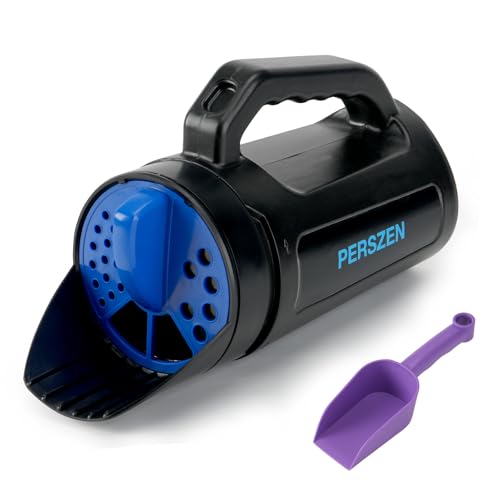
3-in-1 Handheld Spreader for Year-Round Care: Effortlessly switch between spreading grass seed, fertilizer, and ice melt salt with the PERSZEN spreader for lawns. Perfect for every season of lawn care, saving you money and storage space
Choosing the Right Time
Apply mulch after the soil has warmed, typically in late spring. This timing allows plants to benefit from the warmth while minimizing the risk of fungal issues. If you live in a warmer climate, consider mulching earlier in the season. Wait until beds are established, and plants have grown a bit to ensure they can effectively utilize the moisture retained by the mulch.
Proper Thickness of Mulch
Use a thickness of at least 3 inches for optimal benefits. This thickness creates a barrier that retains moisture and suppresses weed growth. For inorganic mulches, like stones or plastic, a thinner layer may suffice, around 2 inches. Make sure to keep mulch away from the base of the plants to prevent rot; leave a few inches of space clear around stems. Refresh organic mulch as it decomposes, typically every season, to maintain its effectiveness.
Potential Drawbacks of Mulching
While mulching offers numerous benefits, it’s important to consider potential drawbacks. Being aware of these issues ensures you make informed decisions for your vegetable garden.
Pest Attraction
Certain types of mulch can attract pests to your garden. For example, wood chips can lure termites or carpenter ants, while straw may attract rodents. Manage this risk by choosing pest-resistant mulch types like shredded leaves or cocoa hulls. Regular inspections of your mulch can also help you catch any pest problems early, allowing for quick action before they affect your plants.
Nutrient Depletion
Organic mulches break down over time, enriching soil but potentially leading to nutrient depletion. As the mulch decomposes, it consumes nitrogen from the soil, which can hinder plant growth. To prevent this, add a nitrogen-rich fertilizer when applying mulch. Consider supplementing your mulch with compost or aged manure to replenish nutrients in your soil, allowing your vegetables to thrive.
Conclusion
Mulching your vegetable garden can be a game-changer for plant health and productivity. By creating a protective barrier around your plants you’re not just fighting weeds but also conserving moisture and improving soil quality.
Choosing the right type of mulch and applying it correctly can make a big difference. Whether you go for organic options like straw or wood chips or stick with inorganic materials you’ll find that the right mulch can support your garden’s growth.
So go ahead and give mulching a try. Your vegetables will thank you for it!
Frequently Asked Questions
Can I use mulch in my vegetable garden?
Yes, you can use mulch in your vegetable garden. Mulch helps retain moisture, suppress weeds, and improve soil health, making it beneficial for plant growth.
What are the benefits of mulching in vegetable gardens?
Mulching retains soil moisture, reduces evaporation, and suppresses weeds by blocking sunlight. It can also enhance soil health as organic mulches decompose.
How thick should my mulch layer be?
A mulch layer of at least 3 inches is recommended for optimal benefits, including improved moisture retention and effective weed suppression.
What types of mulch are suitable for vegetable gardens?
Organic mulches include straw, wood chips, grass clippings, and shredded leaves, which enrich the soil. Inorganic options like plastic or stones provide durability and weed prevention.
When is the best time to apply mulch?
Apply mulch after the soil has warmed, typically in late spring. This timing helps plants benefit from warmth while reducing fungal risks.
Can mulch attract pests?
Yes, certain mulches, like wood chips and straw, can attract pests. To minimize this, consider pest-resistant options like shredded leaves or regularly inspect for infestations.
Does mulching deplete soil nutrients?
Organic mulches can lead to nutrient depletion by consuming nitrogen as they decompose. To counter this, add nitrogen-rich fertilizers or compost to maintain soil fertility.
How often should I refresh organic mulch?
Organic mulch should be refreshed every season to maintain its effectiveness in moisture retention, weed suppression, and soil enrichment.

I’ve always been drawn to trees.As a kid, I spent most of my free time outside, climbing, exploring, and trying to figure out the names of the trees around me.That early curiosity eventually led me to study arboriculture and horticulture at Michigan State.Later, I completed a degree in forestry at the University of Michigan.
I’ve been working in tree care and education ever since.These days, I enjoy helping people learn more about the trees in their own backyards.How they grow, how to care for them, and why they matter.You don’t need to be an expert to appreciate trees.A little curiosity goes a long way.