Have you ever walked through a garden and been captivated by the soothing scent of lavender? If you’re considering adding this beautiful and fragrant plant to your own garden, you’re not alone. Many gardeners are drawn to lavender for its vibrant color and versatility, but you might wonder if it’s the right fit for your space.
This article will guide you through everything you need to know about planting lavender. From soil requirements to sunlight needs, you’ll discover how to create the perfect environment for this lovely herb. By the end, you’ll feel confident in your ability to cultivate a thriving lavender patch that not only enhances your garden but also brings a touch of tranquility to your outdoor space.
Key Takeaways
- Lavender’s Benefits: Planting lavender enhances gardens through its beautiful aesthetics and calming fragrance while attracting beneficial pollinators that support local ecosystems.
- Ideal Growing Conditions: Lavender thrives in full sun, requiring at least six hours of direct sunlight daily, and prefers well-drained, sandy or loamy soil with a pH between 6.0 and 8.0.
- Choosing the Right Variety: Select a lavender variety suited for your climate and intended use, such as English lavender for hardiness or French lavender for vibrant color and unique blooms.
- Effective Planting Techniques: Plant lavender in spring or fall, ensuring proper soil preparation, adequate spacing for air circulation, and mindful watering practices to avoid root rot.
- Ongoing Care Practices: Regularly prune, fertilize, and monitor for pests or diseases to maintain healthy lavender plants, ensuring they thrive and produce vibrant blooms.
- Common Challenges: Be aware of potential issues such as root rot from overwatering or insufficient sunlight, and proactively manage these challenges for optimal lavender growth.
Benefits of Planting Lavender
Planting lavender offers several advantages for your garden. From attracting beneficial insects to enhancing your outdoor space, lavender brings both beauty and utility.
Attracting Pollinators
Lavender is a magnet for pollinators. Bees, butterflies, and other beneficial insects thrive in lavender’s aromatic flowers. Planting lavender increases pollinator populations in your garden, promoting healthy ecosystems. To maximize attraction, choose a variety of lavender species, as they bloom at different times throughout the growing season. This diversity ensures that pollinators find food throughout summer.
Fragrance and Aesthetics
Lavender provides a delightful fragrance that can transform the ambiance of your garden. The calming scent promotes relaxation and can even deter pests. Visually, lavender boasts vibrant purple hues that add color and texture to landscape designs. Use lavender in borders, pathways, and containers to create appealing focal points. Pair lavender with complementary plants, such as white roses or yellow daisies, for stunning contrasts that enhance visual impact.
Planting lavender contributes to a lush environment while enriching both your garden and senses.
Ideal Conditions for Lavender
Lavender thrives in specific conditions that promote its growth and health. By meeting these requirements, you create the perfect environment for this beautiful plant.
Recommended Products

Quick, at home results for Soil pH, Nitrogen, Phosphorous and Potash Innovative and inexpensive soil test kit features an easy-to-use capsule system and patented color comparators

Kindly NOTE: This soil tester can not be applied to test pH value of any other liquid. If the soil is too dry the indicator will not move, and water it before testing.

Accurate Soil pH Testing: Dewildetradingco Soil pH Test Strips offer measurements of soil pH levels (pH 3.5-9). As an essential tool for every gardener and grower, these test strips help determine the optimal pH for various plants, such as outdoor plants, indoor plants, gardens, grass lawns, fruit trees, flowers, vegetables, and forest shrubs.
Sunlight Requirements
Lavender requires full sun for optimal growth. A sunny spot receives at least six hours of direct sunlight daily. Morning sun is especially beneficial, as it dries dew quickly, reducing the risk of fungal disease. If you can’t provide enough sun, consider a different plant that meets your conditions.
Soil Type and Drainage
Lavender prefers well-drained, sandy or loamy soil. Soil pH should range from 6.0 to 8.0, leaning towards alkaline for best results. To improve drainage, mix in gravel or sand if your soil retains water. Avoid heavy clay, as it holds moisture, leading to root rot. If uncertain about your soil, consider a simple pH test available at garden centers.
Choosing the Right Lavender Variety
Selecting the right lavender variety enhances your garden’s beauty and fragrance. Several popular types cater to different needs and climates.
Recommended Products

Fragrant Blooms: English Lavender seeds to plant of Lavandula angustifolia produce purple flower spikes on slender green stems; late spring–summer color with vigorous growth—ideal for fragrant flowers and classic herbs borders. Common name: English Lavender; Scientific name: Lavandula angustifolia

TRUE ENGLISH LAVENDER 'VERA' + STRATIFICATION SUCCESS – Not French lavender — this heirloom English lavender is the original variety with stronger fragrance and superior oil quality. Cold stratify seeds 2–4 weeks before planting to dramatically improve germination, whether growing indoors or outdoors.
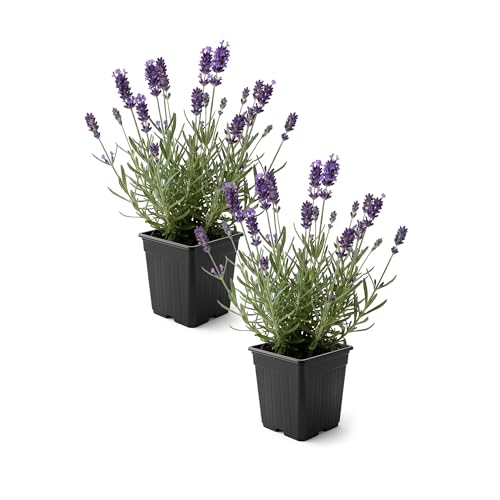
SUMMER FLOWERS: Produces classic purple blooms with a strong, soothing lavender scent.
English Lavender
English lavender (Lavandula angustifolia) is a favorite for its classic scent and hardiness. This variety thrives in USDA Zones 5 through 9. Preferred attributes include:
- Fragrance: It has a sweet, calming aroma, making it ideal for sachets and essential oils.
- Growth Habit: Expect compact, bushy plants that usually reach heights of 12 to 24 inches.
- Flowering: Blooms appear in late spring to early summer, displaying deep purple spikes.
For best results, plant English lavender in well-draining soil and full sun. It tolerates drought, requiring minimal watering once established.
French Lavender
French lavender (Lavandula stoechas) stands out with its unique flowers and vibrant colors. It’s suitable for USDA Zones 8 through 10. Key characteristics feature:
- Fragrance: It offers a strong, distinctive scent with a slightly fruity note.
- Growth Habit: Plants can grow taller, reaching up to 3 feet, with a more open structure.
- Flowering: It blooms in spring and often has additional flowering in fall, showcasing clusters of purple, pink, or white flowers.
French lavender thrives in warmer climates and well-drained soils. It prefers more moisture than English lavender but still benefits from occasional drought conditions.
Choosing the right lavender variety depends on your climate, garden design, and intended use. Consider what suits your space best for a thriving lavender garden.
Planting and Care Tips
Planting lavender successfully involves paying attention to techniques and ongoing care. Follow these tips for optimal growth and vibrant blooms.
Recommended Products

🌿 Exceptional Growing Medium: Our Lavender Potting Mix is meticulously crafted with premium ingredients like Canadian Peat Moss, Charcoal, Worm Castings, Perlite, Sand, Pumice, and Lime, providing the ideal balance of nutrients and moisture for optimal Lavender growth.

【Completely Natural】Tailored Blend for Lavender Plant Growth; Free of Artificial Ingredients

HELPS REGULATE SOIL MOISTURE: Miracle-Gro Organic Indoor Potting Soil Mix is an organic potting soil that protects indoor plants against over and under watering
Planting Technique
- Choose the Right Time: Plant lavender in spring or fall. Spring planting allows for strong roots before heat arrives, while fall planting gives roots time to establish before winter.
- Prepare the Soil: Cultivate the soil to a depth of 12 inches. Incorporate gravel or sand to improve drainage, particularly if your soil is clay-heavy. The soil pH should ideally range from 6.0 to 8.0.
- Space Your Plants: Plant lavender 12 to 24 inches apart to ensure good air circulation. Proper spacing minimizes the risk of fungal infections.
- Dig a Proper Hole: Make a hole twice the size of the root ball. Position the lavender slightly above soil level to prevent rot. Fill in with soil, firming it gently around the base.
- Mulch Wisely: Apply a layer of mulch around the base to retain moisture but keep it at least 2 inches away from the stem to avoid rot.
- Water Sparingly: Water lavender deeply but infrequently. Allow the top inch of soil to dry out before each watering. Overwatering can lead to root rot, so aim for a dry environment.
- Provide Occasional Fertilization: Fertilize lavender once in early spring. Use a balanced fertilizer or a low-nitrogen option to boost growth without encouraging excessive foliage.
- Monitor During Establishment: During the first year, ensure consistent moisture as plants establish their root systems. Adjust watering based on rainfall, but don’t let the plants sit in soggy soil.
- Prune for Health: Prune lavender annually to maintain shape and encourage healthy growth. Cut back one-third of the plant after flowering to prevent woodiness.
By following these planting and care tips, you can cultivate healthy lavender that thrives in your garden.
Common Issues and Solutions
Growing lavender can present challenges, but you can manage these common issues with the right knowledge and techniques.
Pests and Diseases
Lavender is relatively pest-resistant, but certain problems may arise. Here are common pests and diseases along with solutions:
- Aphids: These tiny insects suck plant juices. Use a strong stream of water to dislodge them or apply insecticidal soap.
- Spider Mites: If you notice tiny webs or yellowing leaves, spider mites might be the culprit. Increase humidity around the plants and consider neem oil as a treatment.
- Fungal Diseases: Root rot often occurs in poorly drained soil. Ensure proper drainage by mixing gravel or sand into the soil and avoid overwatering.
- Lavender Weevil: This pest can damage roots. Handpick them and remove affected plants to control their spread.
Environmental Challenges
Lavender thrives in specific conditions; deviations can lead to stress. Here are some common environmental challenges and how to address them:
- Too Much Moisture: Overwatering leads to root rot. Water only when the top inch of soil feels dry.
- Insufficient Sunlight: Lavender requires at least six hours of direct sunlight. If plants appear leggy or sparse, relocate them to a spot with more sun exposure.
- Extreme Temperatures: While many varieties tolerate heat, extreme cold may harm them. Applying mulch can help insulate roots during colder months, especially in USDA Zones 5 and 6.
- Soil Compaction: Compacted soil affects root growth. Regularly aerate the soil around your lavender to ensure healthy development.
With these issues and solutions in mind, you’ll be better equipped to cultivate healthy lavender plants in your garden.
Conclusion
Planting lavender in your garden can truly transform your outdoor space. With its stunning colors and delightful fragrance it’s not just a treat for the eyes but also for the senses. By choosing the right variety and providing the ideal conditions you’ll create a thriving environment that attracts pollinators and enhances your garden’s beauty.
Remember to give your lavender plenty of sunlight and well-drained soil. With a little care and attention you’ll enjoy the many benefits of this wonderful plant. So go ahead and add some lavender to your garden. You won’t regret it!
Frequently Asked Questions
What are the benefits of planting lavender in my garden?
Lavender attracts pollinators like bees and butterflies, improving your garden’s ecosystem. It emits a delightful fragrance, enhances visual appeal with its vibrant purple color, and can deter pests, making it a versatile addition.
How much sunlight does lavender need?
Lavender thrives in full sun, requiring at least six hours of direct sunlight each day. Morning sun is particularly beneficial for its growth and fragrance.
What type of soil is best for lavender?
Lavender prefers well-drained, sandy, or loamy soil with a pH between 6.0 and 8.0, leaning towards alkaline. Avoid heavy clay soil as it increases the risk of root rot.
When is the best time to plant lavender?
The best times to plant lavender are in the spring or fall. This allows the plants to establish roots before facing challenging weather conditions.
How do I care for my lavender plants?
Care includes watering sparingly to prevent root rot, occasional fertilization in early spring, and annual pruning to maintain plant health and promote growth.
What are common pests or diseases that affect lavender?
Common issues include aphids, spider mites, and root rot. Use insecticidal soap for pests and ensure proper drainage to prevent fungal diseases.
How far apart should I plant lavender?
Space lavender plants 12 to 24 inches apart. This distance allows for adequate air circulation, which helps prevent fungal issues and promotes healthy growth.
Which lavender varieties are best for my garden?
Consider English lavender (Lavandula angustifolia) for hardiness in USDA Zones 5-9, or French lavender (Lavandula stoechas) for colorful blooms in Zones 8-10. Choose based on your climate and garden design.
Can lavender survive in extreme temperatures?
While lavender is fairly resilient, it can struggle in extreme temperatures. Ensure proper care, including adequate drainage and protection from severe weather, to promote healthy growth.
How do I improve drainage for lavender?
To improve drainage, mix gravel or sand into your soil before planting. This helps create a well-drained environment that lavender needs to thrive.

I’ve always been drawn to trees.As a kid, I spent most of my free time outside, climbing, exploring, and trying to figure out the names of the trees around me.That early curiosity eventually led me to study arboriculture and horticulture at Michigan State.Later, I completed a degree in forestry at the University of Michigan.
I’ve been working in tree care and education ever since.These days, I enjoy helping people learn more about the trees in their own backyards.How they grow, how to care for them, and why they matter.You don’t need to be an expert to appreciate trees.A little curiosity goes a long way.