Have you ever noticed ants marching through your vegetable garden and wondered if they’re friend or foe? You’re not alone. Many gardeners share the same concern, watching these tiny creatures scurry around their prized plants. While ants play a role in the ecosystem, their presence can sometimes lead to unexpected problems.
In this article, you’ll discover whether ants can truly ruin your vegetable garden and what you can do about it. By understanding their behavior and impact, you’ll be better equipped to protect your garden and ensure a bountiful harvest. Let’s explore the connection between ants and your veggies, so you can keep your garden thriving.
Key Takeaways
- Ants can have both positive and negative effects on vegetable gardens, contributing to soil aeration and pest control while potentially harming plants through their interactions with pests like aphids.
- Regular monitoring of ant activity and pest populations, especially aphids, is crucial for maintaining a healthy garden environment.
- Implementing physical barriers, such as diatomaceous earth, can effectively deter ants from accessing vulnerable plants.
- Understanding the specific types of ants present in your garden, like pavement ants and leafcutter ants, can help tailor your management strategies appropriately.
- Utilizing natural remedies, such as vinegar solutions and peppermint oil, can provide eco-friendly options to control ant infestations without harming your garden.
- Maintaining a balanced ecosystem by introducing natural predators can help keep both ant and pest populations in check, leading to a thriving vegetable garden.
Overview of Ants in Gardens
Ants play a complex role in vegetable gardens. While some gardeners view them as harmless, others worry about their presence. Understanding their behavior is crucial.
Ants can be both beneficial and detrimental. They aerate soil by tunneling, which improves water absorption and root health. Ants also help control pests. For instance, they eat aphids, which are notorious for damaging plants. However, their interactions can lead to problems.
Ants often protect and farm aphids for their honeydew. This symbiotic relationship can lead to increased aphid populations, which can harm your vegetables. Additionally, certain ant species may disrupt the soil structure, making it challenging for plants to develop strong roots.
To manage ants in your garden, follow these tips:
- Monitor Ant Activity: Observe where ants are most active. Locate their nests and track their behavior.
- Avoid Aphid Infestations: Inspect plants regularly for aphids. Address any infestations promptly to deter ants.
- Use Barriers: Employ physical barriers, like diatomaceous earth, around vulnerable plants. This can help keep ants at bay.
- Create a Balanced Ecosystem: Introduce natural predators of aphids, such as ladybugs, to keep their numbers in check, ultimately reducing ant involvement.
Recognizing the dual nature of ants helps you maintain a healthy vegetable garden. By implementing proactive strategies, you can enjoy the benefits of ants while minimizing potential harm to your plants.
Types of Ants Commonly Found in Vegetable Gardens
Understanding the types of ants throughout your vegetable garden helps you manage their presence effectively. Here are two common ant types you might encounter:
Pavement Ants
Pavement ants are small, measuring about 1/8 inch long. They often build nests in pavement cracks, which can lead to their presence around your garden. These ants typically feed on seeds, insects, and human food scraps. While they can aerate the soil, their nesting habits may disturb root systems, impacting plant growth. Look for signs like small mounds of dirt as an indication of their presence. Controlling pavement ants may involve keeping the area clean and removing food sources.
Leafcutter Ants
Leafcutter ants are easily identified by their unique behavior of cutting leaves and carrying them to their nests. These ants are larger, about 1/4 to 1/2 inch long. They use the leaves to cultivate fungus, which serves as their primary food source. Though they play an important role in ecosystem balance, leafcutter ants can damage your vegetable plants by stripping leaves. You’ll notice them primarily in regions with a warm climate. To manage their impact, monitor plants regularly and remove accessible foliage to deter their feeding.
Potential Benefits of Ants in a Garden
Ants can contribute positively to your vegetable garden in several ways. Understanding these benefits helps you manage their presence effectively while promoting a thriving ecosystem.
Recommended Products

KILLS LISTED INSECTS THROUGH CONTACT: Spinosad-based formula controls aphids, caterpillars, mealybugs, spider mites, thrips, and 30 listed pests on edible and ornamental plants

FAST-ACTING FORMULA: Protects lawns, vegetables, fruit and nut trees, roses, flowers, trees and shrubs

INSECT KILLER - Our product controls over 130 insects/pests including species of ant, cockroach, cricket, spider, flea, tick, mite, moth, earwig, beetle, water bug, & more.
Soil Aeration
Ants tunnel through the soil, creating channels that improve aeration. This aeration enhances water drainage and allows oxygen to reach plant roots, promoting healthier growth.
Pest Control
Ants prey on pests, such as caterpillars and termites. By doing this, they reduce the number of harmful insects that can damage your plants. Some ants even protect aphids from predators in exchange for honeydew, which demonstrates their role in pest dynamics.
Seed Dispersal
Certain ant species assist in seed dispersal. When ants collect seeds to take back to their nests, they inadvertently help with plant reproduction. This activity can enhance plant diversity in your garden.
Fungal Cultivation
Leafcutter ants cultivate fungi by cutting leaves and transporting them to their nests. This fungus serves as a food source for the ants. While this behavior can harm specific plants, it can also aid in nutrient cycling within the ecosystem.
Ecosystem Balance
Ants contribute to maintaining ecological balance in your garden. Their interactions with other species create a complex web of relationships that promote biodiversity.
Beneficial Relationships
Ants often engage in mutualistic relationships with other insects. For example, the protection ants provide to aphids helps maintain a population that can offer honeydew in return. This symbiotic relationship can enhance the overall health of your garden.
By recognizing the potential benefits of ants, you can take a balanced approach to their management while fostering a productive vegetable garden.
Can Ants Ruin a Vegetable Garden?
Ants can impact your vegetable garden in both positive and negative ways. Understanding their role helps you manage their presence effectively.
Recommended Products

READY-TO-USE CONTACT SPRAY: No mixing required. Thoroughly spray insecticide on all plant parts, including the underside of leaves. Pests must be sprayed directly to achieve control
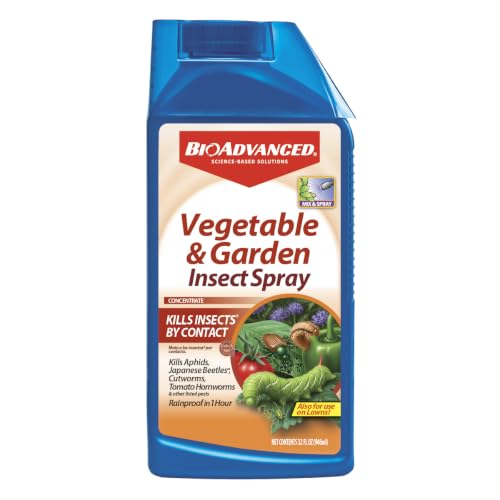
KILLS LISTED INSECTS ON CONTACT: Vegetable & Garden Insect Spray kills stink bugs, ants, ticks, fleas, mosquitos, flies, aphids, and over 70 other listed insects
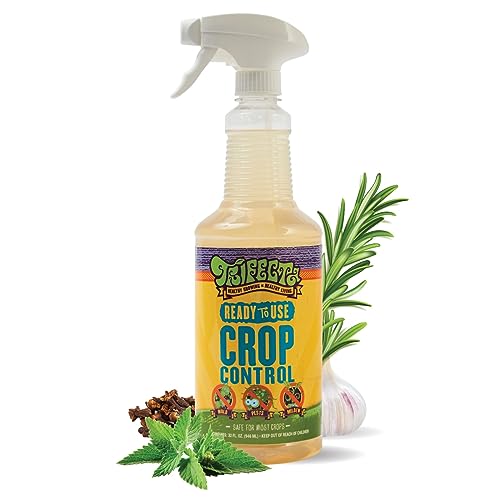
CROP, GARDEN & HOUSEPLANT INSECT CONTROL. Trifecta Crop Control all-natural, plant-based formula effectively combats destructive spider mites, aphids, whiteflies, fungus gnats, and other soft-bodied pests on indoor and outdoor plants. Our biodegradable, eco-friendly solution is safe for use on edible crops, without chemical residues. Our gentle yet potent plant spray suffocates and dehydrates pests without harming beneficial insects or the environment, making it ideal for organic gardening.
Impact on Soil Health
Ants play a dual role regarding soil health. On one hand, they aerate the soil through their tunneling activities, which improves water drainage and root oxygenation. This can enhance plant growth and overall soil structure. On the other hand, excessive ant activity, particularly from pavement ants, can disrupt root systems, potentially harming your plants. Keeping soil balanced is key. Monitor ant habits, and if you notice significant tunneling, consider addressing their nest locations to minimize any negative effects.
Relationship with Other Pests
Ants often form symbiotic relationships with pests like aphids. They protect these pests from predators in exchange for honeydew, a sugary substance produced by aphids. This relationship can lead to an increase in aphid populations, which may damage your vegetables. To prevent this, regularly inspect your plants for aphids or other pests. If you find them, take steps to control their population, such as introducing natural predators like ladybugs or using insecticidal soap. By managing these relationships, you can safeguard your vegetable garden’s health.
Preventing Ant Infestations in Your Garden
Maintaining an ant-free vegetable garden requires consistent efforts. Implementing both natural remedies and chemical solutions can effectively deter ants.
Recommended Products

Attracts & Kills – Kills common household ants including acrobat, crazy, ghost, little black, odorous house, pavement, and other sweet-eating ants

ANT BAIT NOT INCLUDED – DESIGNED FOR MAXIMUM INFESTATION CONTROL: Use with DEFIANT Liquid Ant Bait (sold separately). These reusable outdoor ant traps effectively deliver ant killer bait, eliminating the queen and the colony. Designed with a sturdy stake, the station will stay-put, even in harsh weather conditions. Place directly into soil, mulch, garden beds, or in potted plants indoors. The triple-entry design allows for maximum ant access for fast ant elimination.

Attracts & Kills – Kills common household ants including acrobat, crazy, ghost, little black, odorous house, pavement, and other sweet-eating ants
Natural Remedies
- Diatomaceous Earth: Sprinkle food-grade diatomaceous earth around plant bases. This fine powder damages ant exoskeletons, dehydrating them without harming your plants.
- Vinegar Solution: Mix equal parts vinegar and water in a spray bottle. Apply it to areas where you notice ant activity. The acidity disrupts their scent trails, discouraging their return.
- Peppermint Oil: Combine a few drops of peppermint oil with water. Spray this mixture near entry points and troubled areas. Ants dislike the strong scent, making your garden less appealing.
- Soap and Water: Blend a tablespoon of dish soap with water in a spray bottle. Spray directly on ants and their nests. This solution suffocates ants and disrupts their colonies.
- Citrus Peels: Place citrus peels around the garden. The scent repels ants and acts as a natural deterrent. Replace the peels weekly for continued effectiveness.
- Boric Acid: Use boric acid as bait mixed with sugar and water. Place the bait near ant trails. Worker ants will take it back to their nest, effectively eliminating the colony.
- Ant Traps: Purchase commercially available ant traps. These contain poison that attracts ants. Ants carry the bait back, directly impacting their nests.
- Insecticidal Soap: Apply insecticidal soap as a topical treatment on infested areas. It suffocates ants on contact and disrupts their ability to reproduce.
- Granular Insecticide: Spread granular insecticides in the garden for long-term control. These kill ants upon contact and act as a deterrent for new infestations.
- Permethrin: Use permethrin as a spray. This synthetic chemical targets ants effectively, providing immediate results. Follow the label instructions for safe application.
Regular monitoring and a combination of these methods will help you maintain control over ant populations in your vegetable garden.
Conclusion
Ants can be both friends and foes in your vegetable garden. While they offer benefits like soil aeration and pest control they can also contribute to issues like aphid infestations and root disruption. By staying vigilant and adopting a balanced approach to ant management you can enjoy the advantages they bring while minimizing any potential harm.
Regular monitoring and proactive strategies will help you maintain a healthy garden. Embrace the positive aspects of ants while being mindful of their impact. With the right techniques you can create a thriving vegetable garden that reaps the rewards of nature’s little helpers. Happy gardening!
Frequently Asked Questions
Are ants good or bad for my vegetable garden?
Ants play a dual role in vegetable gardens. They aerate the soil and can help control pests like aphids, but they can also encourage aphid populations and disrupt root systems. A balanced approach to managing ants can utilize their benefits while minimizing any harm they may cause.
What are the common types of ants found in vegetable gardens?
Common types of ants in vegetable gardens include pavement ants and leafcutter ants. Pavement ants aerate the soil but can disturb root systems, while leafcutter ants may damage plants by stripping foliage. Regular monitoring can help manage their impact effectively.
How can I manage ants in my vegetable garden?
To manage ants, monitor their activity, reduce aphid access, and create physical barriers. Utilizing natural remedies like diatomaceous earth and vinegar solutions can deter them, while chemical options like boric acid bait offer more immediate control. A combination of methods is most effective.
What are the benefits of ants in the garden?
Ants enhance soil aeration, promote water drainage, and control harmful pests. They also assist in seed dispersal and contribute to nutrient cycling. Understanding these benefits helps gardeners appreciate ants while managing their presence effectively.
How can I prevent ant infestations in my garden?
Prevent ant infestations by keeping the garden clean and removing food sources. Regularly monitor for aphids and use natural deterrents like peppermint oil or citrus peels. Chemical solutions like insecticidal soap can also help maintain control if needed.

I’ve always been drawn to trees.As a kid, I spent most of my free time outside, climbing, exploring, and trying to figure out the names of the trees around me.That early curiosity eventually led me to study arboriculture and horticulture at Michigan State.Later, I completed a degree in forestry at the University of Michigan.
I’ve been working in tree care and education ever since.These days, I enjoy helping people learn more about the trees in their own backyards.How they grow, how to care for them, and why they matter.You don’t need to be an expert to appreciate trees.A little curiosity goes a long way.