Ever wondered why some trees grow crooked instead of standing tall and proud? Picture this: you excitedly plant a young sapling, only to find it bending in a peculiar angle over time. Fret not, as we’re here to unravel the mystery behind this common phenomenon. In this article, we’ll delve into the reasons why trees lean and how staking plays a crucial role in their growth. Ready to straighten out the facts and nurture your trees to grow beautifully upright? Let’s get to the root of it all together.
Understanding Tree Growth Patterns
When it comes to tree growth patterns, it’s essential to grasp some key factors that influence how a tree develops and stands upright. Here are a few points to help you understand better:
- Genetics: Just like how genes determine many aspects of our own growth, trees are also influenced by their genetic makeup. This can affect their growth direction and stability.
- Light Exposure: Trees tend to lean towards the light source to maximize their photosynthesis process. Uneven light exposure can cause trees to grow unevenly.
- Wind: Strong winds can nudge trees in a certain direction, impacting their growth pattern. Over time, consistent strong wind can cause a tree to develop a crooked trunk.
- Soil Conditions: The type of soil and its composition play a vital role in how trees anchor themselves. Poor soil quality can lead to unstable root systems.
- Competitive Growth: In dense forests, trees might compete for sunlight and nutrients, leading to irregular vertical growth as they strive to access essential resources.
- Staking Benefits: Properly staking a young tree can provide support and help guide its growth upwards, preventing it from growing crooked or leaning.
Impact of Environmental Factors
When environmental factors come into play, they can significantly influence the way a tree grows. Here are some key elements to consider:
- Wind: Strong winds can push a tree to grow in the direction of the prevailing wind, causing it to lean or grow crooked.
- Soil Conditions: Poor soil quality can affect a tree’s root development, leading to instability and potential leaning.
- Light Exposure: Uneven light distribution can cause a tree to bend towards the light source, impacting its growth pattern.
Understanding how these factors affect tree growth can help you take necessary steps to ensure your tree grows upright.
Importance of Proper Staking Techniques
Staking young trees is essential, but improper staking can lead to unintended consequences like crooked growth.
Here’s why proper staking techniques matter:
- Prevents Tree Shift: Correct staking reduces the likelihood of movement caused by wind or other factors.
- Promotes Vertical Growth: Stakes encourage straight, upward growth, helping trees establish a stable root system.
- Aids in Recovery: Proper staking supports trees post-transplant, aiding in their adjustment to a new environment.
Key Tips for Effective Staking:
- Positioning: Place stakes away from the trunk to avoid damage.
- Materials: Use soft ties to secure the tree without constriction.
- Monitoring: Regularly check the stake and ties to adjust as needed.
Recommended Products

【Complete Tree Straps for Staking Kit】Package comes with 8pcs tree straps and 52ft rope , with this kit you can ensure 3 to 4 trees to grow upright or protect them from harsh weathers like hurircane, helping your trees grow strong and healthy

Perfect Tree Staking Kit: Our tree stake straight kits set includes 3 PCS tree strap ties for staking, 3 PCS steel tree stakes, and a 31.2 feet length rope for anchoring. Detailed instructions are included in the product packaging. This is a complete kit that you don't need to buy any other related accessories.

SOFT, STRONG & EXTRA WIDE - Biostretch Tree Ties are made from premium green fabric and are specially designed for larger plants and young trees. Their extra wide design offers enhanced strength and stretchability, and they can easily be cut to your desired length.
Common Mistakes to Avoid
When it comes to staking young trees, a few common mistakes can inadvertently cause them to grow crooked. Here are some key errors to steer clear of:
- Tying Stakes Too Tightly: Overly tight ties can restrict the tree’s natural movement, leading to abnormal growth patterns.
- Positioning Stakes Improperly: Placing stakes too close to the trunk or tying the tree too high on the stake can result in ineffective support and encourage crooked growth.
- Neglecting Regular Checks: Failing to monitor the tree and its ties can allow for shifting and movement, impacting the tree’s ability to grow straight.
- Using Inappropriate Materials: Opting for hard, abrasive ties instead of soft materials can damage the tree’s delicate bark and cause deformities.
By being mindful of these common pitfalls and avoiding these mistakes, you can help your young trees grow tall and strong, perfectly upright and free from crooked growth.
Recommended Products

MADE FROM 65% RECYCLED PLASTIC: Reusable so you can reduce waste; supports the move toward a sustainable future
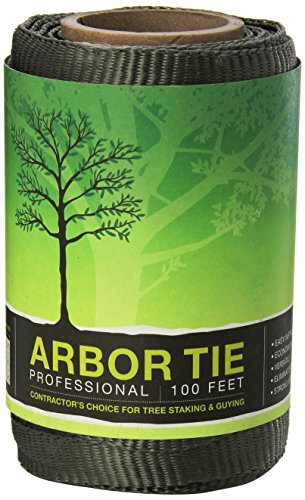
SAFE AND EFFECTIVE TREE SUPPORT - The DeepRoot ArborTie Staking and Guying Material offers an innovative alternative to conventional tree support methods like wire and hose, providing effective support for trees with ease.

Perfect for Bad Weather: If you are searching for a tree stakes kit that can provide strong support to your young trees, you can never go wrong with our tree straps for staking, With a little care and attention, the tree straps will help you to grow beautiful, healthy trees
Ensuring Straight and Healthy Growth
When staking a young tree, follow these tips to promote healthy, upright growth:
- Choose the right time: Stake trees immediately when planting to prevent leaning.
- Position stakes properly: Place them outside the root ball to allow some movement.
- Tie with care: Use wide straps or ties, avoiding binding the tree tightly.
- Regularly check: Ensure the ties are not too tight or causing damage.
- Remove when ready: Take out stakes once the tree can support itself.
- Monitor growth: Keep an eye on the tree to address any issues promptly.
By following these steps, you can assist your young tree in developing a strong and straight structure.
Recommended Products
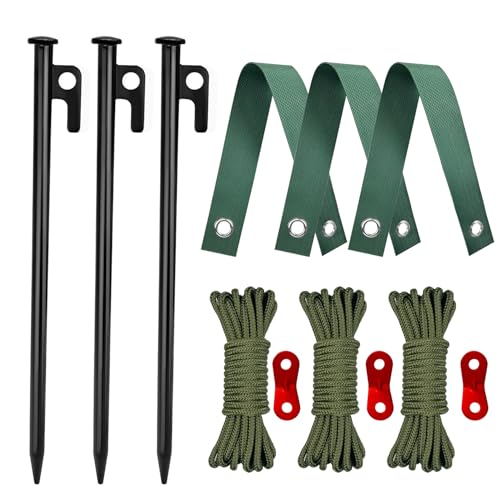
【Value Package】Package comes with 3pcs tree stakes,3pcs tree straps for staking and 3pcs ropes (each 13ft) with 3pcs aluminium tensioners. Complete tree stake kit enable your saplings to grow straight and healthy even in windy conditions

Use for Hurricane protection: Our tree straps are made of quality materials that can provide strong support to your trees. Even in stormy weather, you don't need to worry about your trees being blown down by the wind.
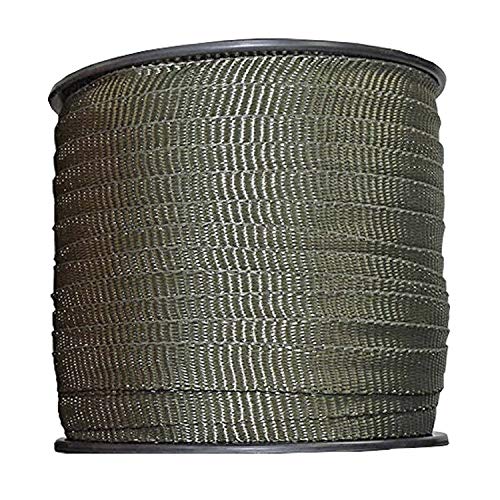
Plant & Tree Support. 5/8" Wide x 250 Ft Long. Ultra strong yet soft woven webbing ideal for plant, limb, branch and tree support. Strong enough to anchor large trees, yet flexible enough to use on young saplings and shrubs. This tree strap is excellent to prevent or repair tree damage caused by heavy snow or winds. Used for numerous horticultural, garden and landscape applications, simply cut to needed length. Natural olive color of the tree support strap blends into the environment.
Conclusion
Ensuring proper staking techniques for young trees is crucial for their growth and development. By staking trees correctly, using wide straps, and monitoring their progress, you can help them grow straight and healthy. Remember to remove stakes once the tree can stand on its own and keep an eye out for any signs of issues as the tree grows. Your efforts in providing the necessary support will contribute to the tree’s overall well-being and structural integrity. Happy gardening!
Frequently Asked Questions
When should I stake a young tree?
Answer: Staking a young tree should be done immediately after planting to provide support and promote straight growth.
Where should I position the stakes for staking a tree?
Answer: Position the stakes outside the root ball of the tree to avoid damaging the roots.
What type of straps or ties should I use for staking?
Answer: Use wide straps or ties that are gentle on the tree and avoid binding it tightly.
How often should I check the ties when staking a tree?
Answer: Regularly check the ties for any damage or signs of constriction to prevent harm to the tree.
When should I remove the stakes used for staking?
Answer: Remove the stakes once the young tree can support itself to prevent dependence on the support.
What should I monitor while the tree is staked?
Answer: Monitor the growth of the tree regularly to identify and address any issues promptly.

I’ve always been drawn to trees.As a kid, I spent most of my free time outside, climbing, exploring, and trying to figure out the names of the trees around me.That early curiosity eventually led me to study arboriculture and horticulture at Michigan State.Later, I completed a degree in forestry at the University of Michigan.
I’ve been working in tree care and education ever since.These days, I enjoy helping people learn more about the trees in their own backyards.How they grow, how to care for them, and why they matter.You don’t need to be an expert to appreciate trees.A little curiosity goes a long way.