
Beech trees are like a busy city for wildlife, attracting birds, squirrels, insects, and mammals. Their special features make them a hotspot for animals seeking food and shelter.
Nutrient-rich beech mast and their important role in the ecosystem are just some of the reasons why wildlife is drawn to them. Beech trees have a strong pull on the natural world due to these unique characteristics.
Nutrient-Rich Beech Mast
Beech mast, the nutrient-rich seeds produced by beech trees, plays a crucial role in attracting and sustaining diverse wildlife populations in forest ecosystems. When these trees produce an abundant mast, it becomes a feast for numerous wildlife species. The high fat content of the mast provides essential energy for animals, especially during the winter months when food is scarce.
This rich food source not only attracts wildlife foraging for sustenance but also supports forest regeneration. As animals consume the mast, they inadvertently aid in the dispersal of beech tree seeds, contributing to the regeneration of the forest.
The presence of beech mast not only nourishes wildlife but also ensures the continuation and diversity of forest ecosystems, making beech trees vital for the survival of various animal species.
Recommended Products

GAME FEEDER KIT - Upgrade your favorite deer feeder with the Wildgame Innovations Trophy Hunter Digital Feeder Kit; This Power Control Unit will allow you to easily attract and pattern game, as well as enhance the hunting experience season by season

GAME ATTRACTION - Improve your feeding strategies with the Wildgame Innovations 6V Photocell Feeder Kit; This game feeder kit offers hunters and wildlife enthusiasts an effective tool to attract deer and increase productivity during the hunting season

Control from 300 Feet — or Anywhere in the World — Adjust feed times and duration directly via Moultrie Connect Bluetooth and the free Moultrie App from up to 300 feet. Pair with an Edge 3 Series camera and the kit connects through cellular — full remote control from anywhere, no subscription required
Shelter and Nesting Sites
Shelter and nesting sites are essential for wildlife attracted by the nutrient-rich beech mast, providing crucial protection and breeding grounds for various animal species in forest ecosystems. Beech trees offer sheltered habitats and nesting opportunities that support a diverse array of wildlife. Here's a closer look at how beech trees provide essential shelter and nesting sites:
- Sheltered Habitats
- The dense foliage and thick, low-hanging branches of beech trees create sheltered microenvironments ideal for nesting and resting.
- Small mammals, such as squirrels and raccoons, find refuge in the nooks and crannies of mature beech trees, while birds build nests in the sturdy branches.
- Nesting Opportunities
- The high, branching structure of beech trees offers ideal locations for bird species to build their nests, providing protection from predators and the elements.
- Tree cavities and hollows in older beech trees serve as prime nesting sites for various bird species, contributing to the overall biodiversity of the forest ecosystem.
Recommended Products

Funny Design : Novelty birdhouse is well-designed to attract desirable species, such as bluebirds, wrens, tree swallows, and chickadees. Seeing your cute visitors will be fun.


High-Quality Natural Materials: Crafted from premium natural wood, this owl house offers a safe, eco-friendly perch for wild owls. The solid wood is naturally durable, resisting moisture and warping while maintaining a rustic aesthetic for your outdoor space
Beech Tree Foliage and Bark
Amidst the lush woodland, the delicate foliage and distinctive bark of the beech tree create a captivating tapestry that plays a vital role in supporting a diverse array of wildlife. The smooth, gray bark of young beech trees transforms into a distinctive silver-gray hue as they mature, making them easily identifiable in the forest. Beech trees are also known for their oval, toothed leaves that change with the seasons, turning from vibrant green in spring and summer to a warm copper color in fall, providing a visually stunning backdrop for the forest ecosystem. This seasonal change in foliage not only adds to the beauty of the woodland but also provides essential nutrients and shelter for a wide variety of wildlife.
| Beech Tree Identification | Seasonal Changes in Foliage | Wildlife Support |
|---|---|---|
| Silver-gray bark | Vibrant green to copper | Essential nutrients and shelter |
Attraction of Pollinators
Attracting an array of pollinators, the beech tree's blossoms and nectar serve as a vital food source for various wildlife species. When in bloom, the tree becomes a hub of activity, attracting a diverse range of pollinators, including bees, butterflies, and other insects.
Here's a peek into the fascinating world of pollinator behavior and beech tree interaction:
- Busy Bees: The gentle hum of bees fills the air as they flit from blossom to blossom, collecting nectar and inadvertently transferring pollen from one flower to another.
- *Beech Blossom Banquet*: Bees are drawn by the sweet nectar produced by the beech tree's delicate blossoms, ensuring the tree's essential pollination.
- Butterfly Ballet: Graceful butterflies gracefully flutter among the blooms, delicately sipping nectar and aiding in the pollination process.
- *Nectar Nirvana*: The beech tree's nectar-rich blossoms provide a vital energy source for these elegant pollinators, enhancing their survival.
Recommended Products

Elegant Silky Pink Summer Blooms: Cultivate the unique beauty of the Mimosa tree, known for its delicate, silky pink puffball flowers that create a stunning visual display and soft texture in your landscape during the summer months.

50 Seeds of Rainbow Eucalyptus Tree
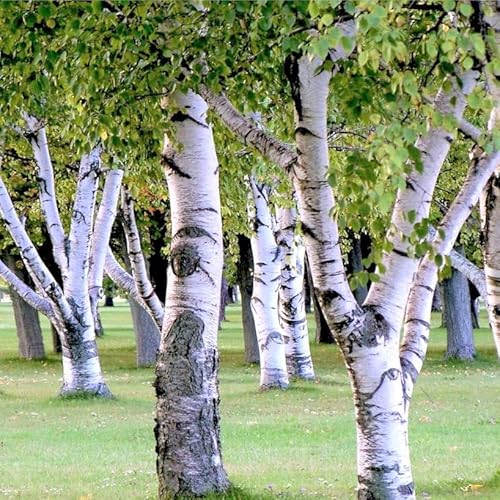
Beautiful white bark that adds a striking contrast to your landscape
Role in Ecosystem Food Chain
As pollinators play a crucial role in the ecosystem, the beech tree's blossoms and nectar not only attract wildlife but also contribute significantly to the local food chain, sustaining various species through their vital role in pollination.
When bees, butterflies, and other pollinators visit beech tree blossoms for nectar, they inadvertently transfer pollen from one flower to another, facilitating the tree's reproduction. This process directly impacts the population dynamics of the tree and the surrounding plant species.
Furthermore, the abundance of pollinators drawn to the beech tree creates a ripple effect in the predation dynamics of the ecosystem. Predators that rely on these pollinators as a food source are also drawn to the area, thus creating a diverse and interconnected food web that revolves around the presence of the beech tree.
Conclusion
In a single beech tree, we witness a thriving ecosystem. Wildlife finds nourishment, shelter, and support within its branches and roots. The tree's impact on the natural world is a reminder of the interconnectedness of all living beings.
How might our surroundings change if we truly appreciated the significance of each tree and its role in sustaining life?

My interest in trees started when I first saw the giant sequoias in Yosemite.I was a teenager then, and I remember thinking, “I need to learn more about this.”That moment stuck with me.A few years later, I went on to study forestry at Michigan Tech.
Since graduating, I’ve worked in a mix of hands-on tree care and community education.I’ve spent over ten years helping people understand how to plant, maintain, and protect the trees in their neighborhoods.I don’t see trees as just part of the landscape.They are living things that make a real difference in our daily lives.